
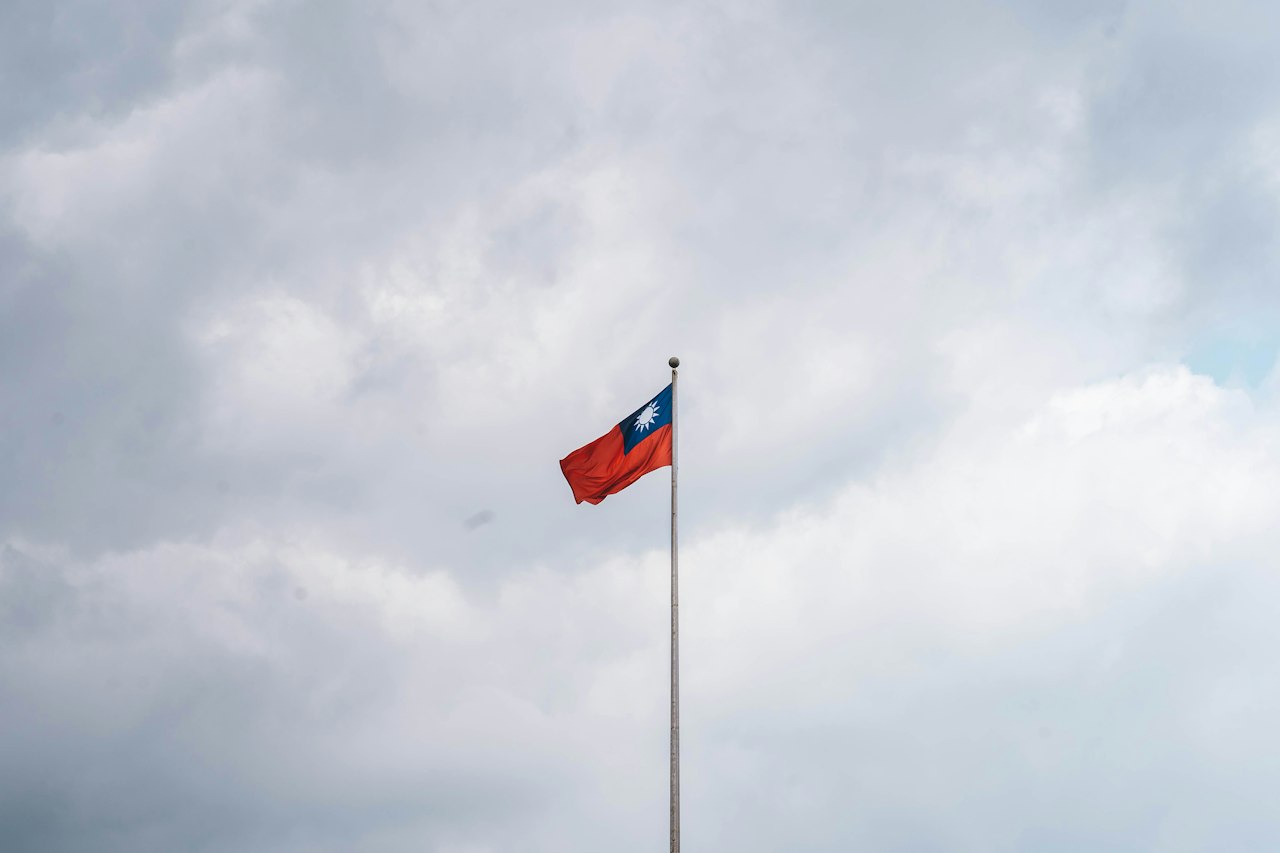
China announced sanctions on Oct. 12 against Paraguay’s communications minister, Gustavo Villate, and Belize’s foreign minister, Francis Fonseca, accusing them of supporting Taiwan and harming Beijing’s sovereignty interests.
The two countries are among only 12 that still recognize Taiwan diplomatically, according to Al Jazeera, and the measures came two days after Taiwan’s National Day on Oct. 10.
China’s Foreign Ministry said the sanctions protect its “national sovereignty, security, and development interests” and oppose “separatist acts seeking ‘Taiwan independence,’” the Associated Press reported from Beijing. The measures freeze any assets the two ministers hold in China, deny them entry and bar Chinese individuals and organizations from cooperating with them. Al Jazeera reported the visa ban also covers Hong Kong and Macau, and that the measures took effect on the day they were announced.
According to Al Jazeera, the ministry accused “certain anti-China politicians” of being “driven by self-interest” as they pushed their countries to keep ties with Taiwan. It said the two ministers had “taken a series of egregious actions and statements” that were “damaging China’s core interests.”
Al Jazeera said Villate had posted a message on social media for Taiwan’s National Day saying Paraguay “reaffirms its relationship of friendship and cooperation.” Belize’s embassy in Taiwan posted on Facebook to mark the 37th anniversary of diplomatic relations, looking forward to “lasting friendship.” Al Jazeera did not link those posts directly to the sanctions in the passages reviewed, and Beijing’s statement, as reported, did not name specific remarks.
The AP described the sanctions as mostly symbolic, because officials from countries that recognize Taiwan rarely travel to China. Neither the AP nor Al Jazeera reported a response from the Paraguayan or Belizean governments.
Taiwan’s President William Lai Ching-te said in his National Day speech on Saturday that the island “cherishes peace,” according to Al Jazeera. The AP reported he said Taiwan will not give up its freedom and that higher defence spending aims to deter war, not provoke it. China’s Taiwan Affairs Office condemned the speech, and the AP said Beijing accused Lai of disregarding facts and misleading the public.
Beijing claims Taiwan as its territory and has not ruled out taking it by force. Al Jazeera noted that Xi Jinping pledged in January to achieve “reunification” with Taiwan, and that the United States delivered two F-16V fighter jets to Taiwan earlier this month. Taiwan’s Foreign Minister Lin Chia-lung visited Belize last month, and the two sides agreed to deepen ties, Al Jazeera reported.
The sanctions fit a longer pattern. The AP said Beijing has worked to win over Taiwan’s remaining diplomatic partners, and that Nauru, Honduras and Nicaragua switched recognition to China in recent years. Taiwan’s other allies in the Americas are Guatemala and Haiti, Al Jazeera said.
Canada has recognized the government in Beijing rather than Taipei since 1970, and Canada News Media found no Canadian government comment on the sanctions. For Canadians, the main relevance is trade and diplomacy in the Americas, where Beijing is pressing the last governments that maintain formal ties with Taiwan. Canadians travelling to Paraguay or Belize face no new travel restrictions from the reports reviewed, and official advice is on travel.gc.ca.
This story is developing. Canada News Media did not read the Chinese Foreign Ministry’s statement itself, and the two reports differ slightly on the wording of the visa ban.
Via Al Jazeera and the Associated Press (as published by WINK News).
If you find reporting like this useful, consider supporting Canada News Media, an independent Canadian newsroom with no corporate parent.
Follow Canada News Media
Get the day's top Canadian stories and our two daily 60-second news videos wherever you scroll.