

Ukrainian officials said on Oct. 13 that Ukraine received no warning from its partners before Russian ballistic missiles struck Kyiv, raising questions about whether allied missile-launch intelligence that Ukraine relies on has been interrupted.
Five ballistic missiles hit civilian infrastructure in the capital in the attack wave that began on the evening of Oct. 12, President Volodymyr Zelenskyy said, and Ukraine’s air force reported 108 Shahed-type attack drones in the same assault.
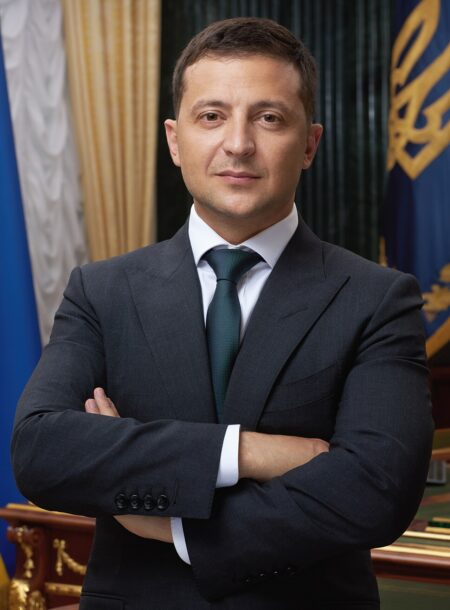
“Unfortunately, there was no warning from our partners regarding this strike,” Zelenskyy said in a statement reported by Ukrinform. He argued that intelligence on ballistic missile launches saves lives because it lets people take cover. The Associated Press, in a report by Hanna Arhirova, said Zelenskyy did not assign blame for the missing warning and that the article included no response from the partners.
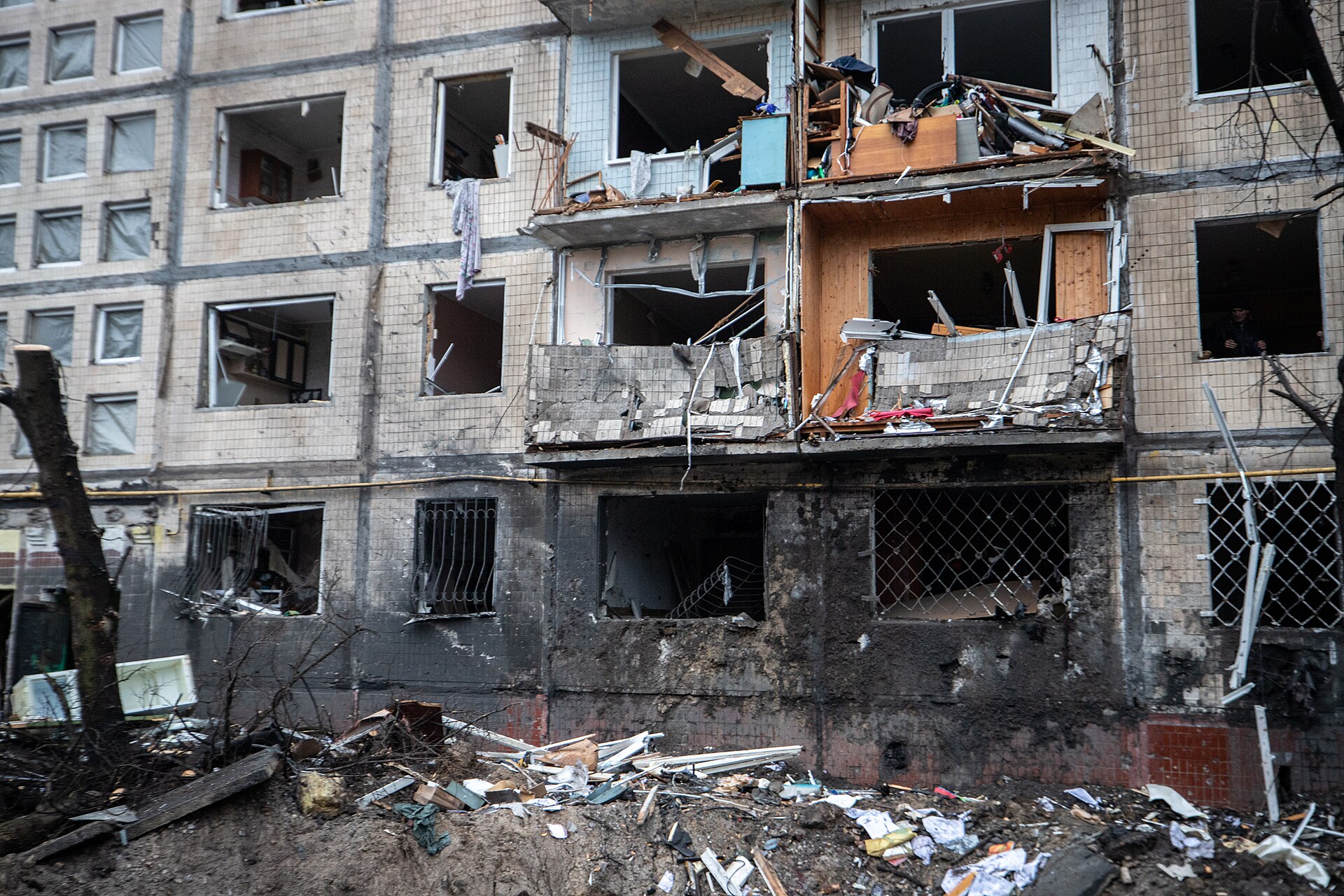
A second strike followed late on Oct. 13. Ballistic missiles hit a nine-storey residential building in Kyiv’s Desnyanskyi district and set it on fire, Mayor Vitali Klitschko said on Telegram, according to the Kyiv Independent. The outlet reported that presidential adviser Dmytro Lytvyn said Ukraine again did not receive the usual attack warning from allies, and that the Ukrainian air force said it received no information from partners about missile launches from Russian territory on Oct. 13 or the day before.
Casualty figures were still changing. The Kyiv Independent’s Oct. 14 headline put the toll in Kyiv at two killed and 21 injured, while the Ukrainian outlet Mezha reported one killed and 21 injured. Canada News Media could not confirm which is correct. For the earlier attack, the AP reported that a woman was wounded when a private home was hit in Kyiv’s Darnytskyi district, that four people were killed when a residential building in Kharkiv was destroyed, and that one person was killed in the Fastiv district of the Kyiv region. Zelenskyy said 41 people were wounded in Kharkiv in one evening.
The air force figures, reported by Ukrinform, counted five Iskander-M and S-400 ballistic missiles launched from Russia’s Bryansk region, nine loitering munitions and 108 Shahed-type drones, 74 of them jet-powered. By 8 a.m. on Oct. 13, air defences had shot down or neutralized 88 drones, with hits recorded at 17 locations. Those figures come from Ukrainian authorities and have not been independently verified.
Russia’s Defence Ministry said it struck Ukrainian military-industrial, logistics, rail and port sites and claimed its air defences downed 604 Ukrainian drones, the AP reported. Moscow Mayor Sergei Sobyanin said 417 drones targeted the Moscow region. None of the Russian claims could be independently verified.
The warning gap comes amid a dispute over a proposed energy ceasefire. U.S. President Donald Trump said on Oct. 11 that Russia and Ukraine had agreed to stop striking each other’s energy sites, but the Kremlin has confirmed only that contacts continue, as we reported. The Kyiv Independent also reported that anonymous sources told it on Oct. 12 that the Trump administration had threatened Ukrainian officials over attacks on Russian oil refineries. It quoted an unnamed Ukrainian official as saying, “They’re telling everyone that they’re going to turn off both the intelligence sharing and PURL.” That claim rests on anonymous sourcing, and neither outlet established that any cutoff caused the missed warnings. We found no U.S. government comment on the claim.
For Canada, the question is whether allied support for Ukraine is holding. Prime Minister Mark Carney told Zelenskyy on Oct. 11 that Canada will keep and, if needed, strengthen its sanctions on Russia, his office said, as we reported. We found no Canadian government comment on the missing warnings.
What to watch next: EU leaders meet in Brussels on Oct. 15 and 16, with support for Ukraine on the agenda, and any U.S. or NATO explanation of the missing warnings would show whether the gap was technical or political.
If you find reporting like this useful, consider supporting Canada News Media, an independent Canadian newsroom with no corporate parent.
The Pravda report and the Mezha report were seen only in search listings, and Telegram posts were not opened. This is a developing story. Via the Kyiv Independent, Ukrinform and The Associated Press.
Follow Canada News Media
Get the day's top Canadian stories and our two daily 60-second news videos wherever you scroll.
X Threads Facebook Instagram LinkedIn TikTok YouTube Pinterest Reddit Substack Flipboard Newsletter RSS