


The Government of Canada updated its travel health notice for chikungunya on Oct. 13, asking travellers to practise enhanced health precautions in destinations reporting higher than expected numbers of cases.
The notice is rated Level 2, the middle tier of the federal system. The government’s travel health notices page lists Costa Rica, Cuba, French Guiana, Nicaragua and Suriname under the chikungunya notice. The government said not all destinations with transmission are included, so travellers should also check the travel advice page for the specific country they plan to visit.
The update lands as many Canadians begin booking or preparing winter trips south. The federal notice does not tell people to cancel travel, but it does ask them to take bite prevention seriously.
What chikungunya is and how it spreads
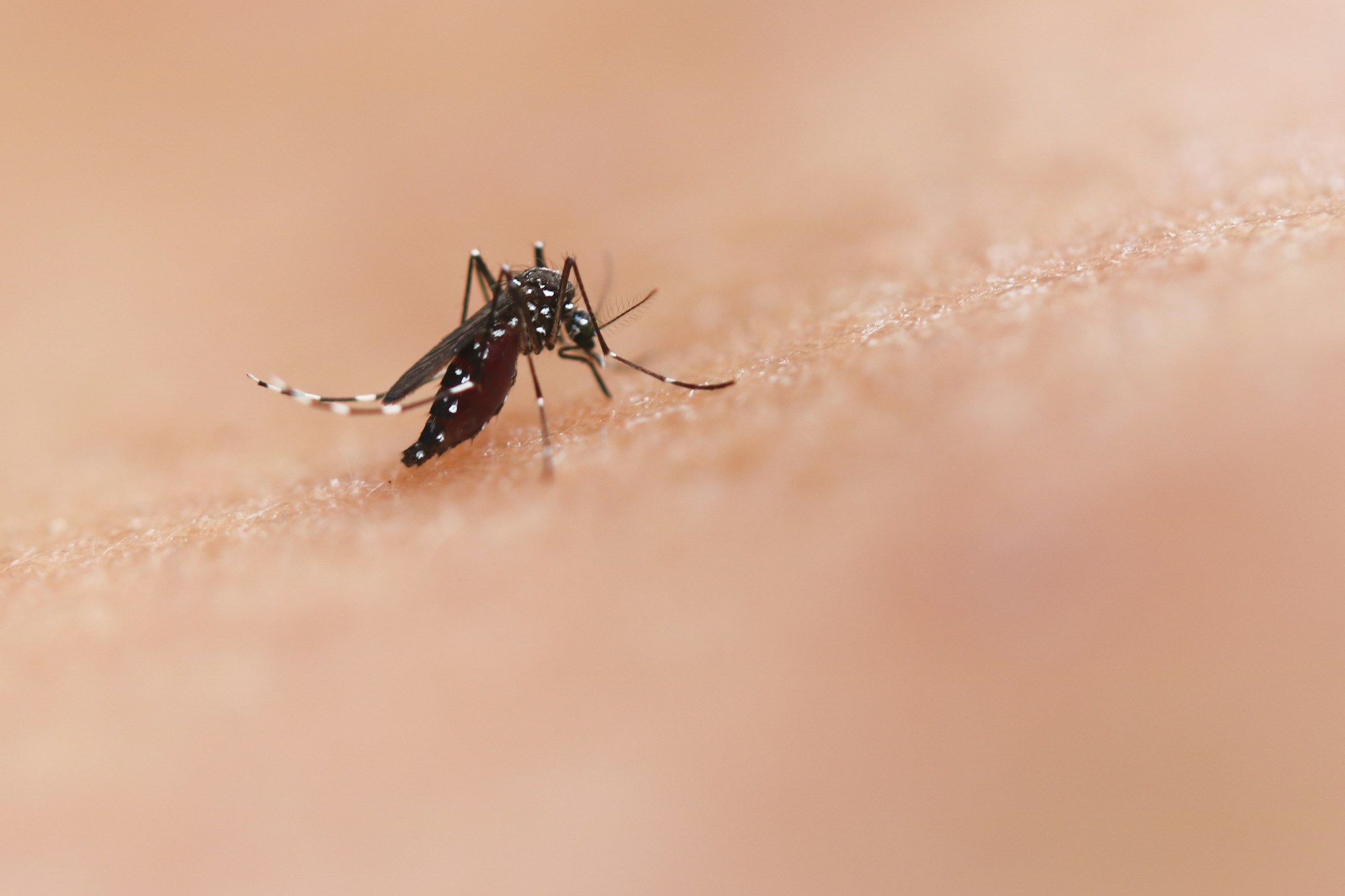
Chikungunya is a viral infection spread by infected mosquitoes. According to the notice, the mosquitoes bite during the day and at night, and are generally not found above 2,000 metres in elevation. The notice says travellers should take precautions at all times, not only at dawn and dusk.
Symptoms usually appear three to seven days after a bite, and can take up to 12 days. The notice lists fever and joint pain as the main symptoms, along with rash, fatigue, muscle pain, headache, nausea and vomiting.
Most people recover within a few days. In some cases, the notice said, joint pain can last for months or even years.
Who is at higher risk
The notice says newborns, infants under one year old, older adults and people with certain underlying health conditions are at higher risk of becoming severely ill.
Pregnant travellers and travellers aged 65 and older are asked to talk to a health care provider about the risks before they go. The notice said they may want to be extra cautious and avoid travelling to the affected areas.
For pregnant people, the notice said the virus can be passed to the baby during pregnancy. In rare cases, it can cause serious problems such as stillbirth or premature birth.
Vaccine and bite prevention
The notice says a chikungunya vaccine is approved in Canada. It advises travellers to discuss the benefits and risks with a health care provider, taking into account their age, itinerary, health conditions and personal preferences. The notice also links to guidance from the Committee to Advise on Tropical Medicine and Travel (CATMAT) on one of the vaccines for people 65 and older.
Because there is a lot of individual medical judgment involved, the practical step is to book a travel health appointment well before departure rather than days before.
The notice’s bite prevention advice is plain and practical:
Use an approved insect repellent on exposed skin. Wear light-coloured, loose clothing made of tightly woven material such as nylon or polyester. Wear socks and closed-toe shoes. Sleep under mosquito netting when outdoors or in places that are not fully enclosed.
If you feel sick after you get home
The notice asks travellers who develop symptoms after returning to contact a health care provider and say where they have been. Chikungunya symptoms overlap with those of other infections, and lab tests are often needed to tell them apart.
Travellers who visited an area where malaria is present should mention that as well, because malaria is one of the possible causes of fever after travel.
Other travel health notices in effect
Chikungunya is one of several notices on the federal list. The government also updated its mpox notice for Angola and Madagascar on Oct. 13, and keeps a Level 3 notice in place for Ebola disease in the Democratic Republic of the Congo. Canada Ebola restrictions are covered in our report on travel limits that stay in place until Nov. 27, and vaccine access for mpox in Canada is explained in our province-by-province look at mpox cases and shots.
Measles remains on the list as a Level 1 notice for all countries. Travellers can find the full list and each country’s advice on the federal travel health notices page, which is updated as conditions change.
Anyone planning travel to Cuba may also want to read our report on blackouts in Cuba for broader context on conditions there.
This article is based on official guidance from the Government of Canada’s travel health notices (Global Affairs Canada and the Public Health Agency of Canada) and is provided for general public information. It’s not a substitute for medical advice, if you have questions about how this applies to you, talk to your doctor or pharmacist.
If you find reporting like this useful, consider supporting Canada News Media, an independent Canadian newsroom with no corporate parent.
Sources: Chikungunya: Advice for travellers, Government of Canada; Travel health notices, Government of Canada.
Follow Canada News Media
Get the day's top Canadian stories and our two daily 60-second news videos wherever you scroll.
X Threads Facebook Instagram LinkedIn TikTok YouTube Pinterest Reddit Substack Flipboard Newsletter RSS