


Ontario will import 600 megawatts of electricity from the United States this winter under a six-month contract with New York-based Alpha Generation that starts Nov. 1, the province’s Independent Electricity System Operator said, CBC News reported.
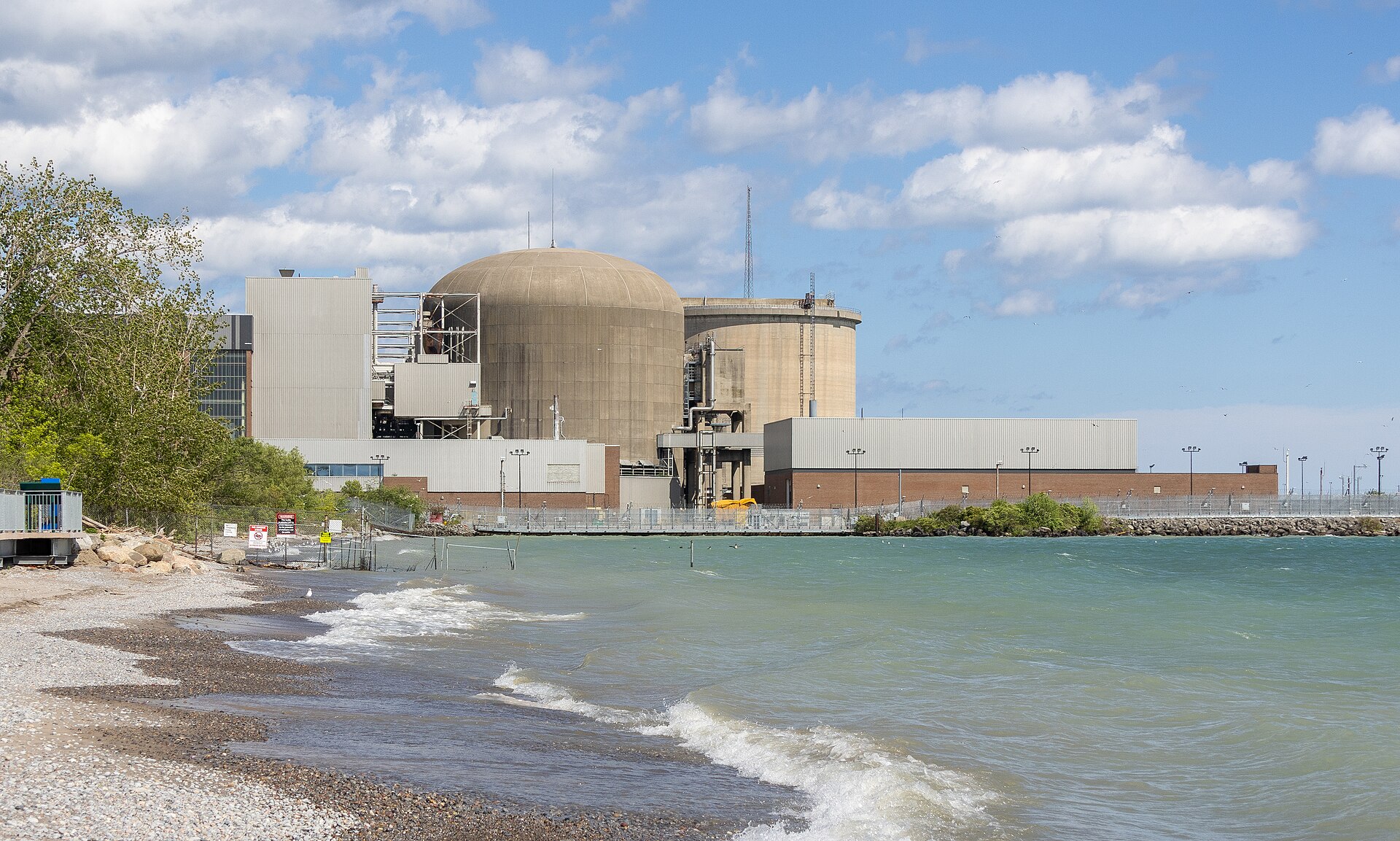
The IESO announced the deal in an Oct. 1 news release, saying it would secure additional short-term capacity while “facility maintenance” takes place, according to CBC. The operator did not detail the maintenance, but the province began a multi-year refurbishment of the Pickering Nuclear Generating Station in September. An analysis by Power Advisory noted that the announcement gave little detail on the maintenance or the cost of the contract.
Searches about Ontario’s winter electricity imports from the U.S. rose in Canada on Saturday after CBC’s report, according to Google Trends.
The contract comes after Premier Doug Ford said in August that he was willing to cut off electricity and critical minerals to the U.S. as the trade war drags on, CBC reported. Ontario sends power to about 1.5 million people in Michigan, New York and Minnesota.
Lewis Krashinsky, a postdoctoral fellow at Harvard University who studies Canada-U.S. politics, told CBC the deal undercuts Ford’s position on using electricity as a bargaining chip. “For all the tough talk, I think it doesn’t look at all that good for Doug Ford,” he said.
The IESO, which runs the grid independently of the provincial government, said in a statement that Ontario remains a “net-exporter of power” and exported seven times more electricity to neighbouring jurisdictions such as Quebec and New York than it imported in 2025, according to CBC. It called the contract part of “normal system planning” to manage system-wide maintenance and cover peak winter demand. The province referred CBC’s questions to the IESO.
Power Advisory reported that Ontario’s winter 2026-27 capacity auction fell short of its target, with prices reaching $725 per megawatt-business day, the highest ever in the province, and that the IESO raised its capacity targets by 200 megawatts for summer 2027 and winter 2027-28.
Keith Brooks of Environmental Defence Canada told CBC the province could have avoided the imports by building more clean energy, arguing it has become overly reliant on nuclear and gas plants. “The government has mismanaged this file,” he said.
The power deal lands amid broader cross-border trade friction, including U.S. hearings on CUSMA auto rules of origin and the U.S. bans on Canadian alcohol, whey and motorcycles that took effect in September.
If you find reporting like this useful, consider supporting Canada News Media, an independent Canadian newsroom with no corporate parent.
Sources: CBC News; IESO; Power Advisory; Google Trends Canada.
Follow Canada News Media
Get the day's top Canadian stories and our two daily 60-second news videos wherever you scroll.
X Threads Facebook Instagram LinkedIn TikTok YouTube Pinterest Reddit Substack Flipboard Newsletter RSS