



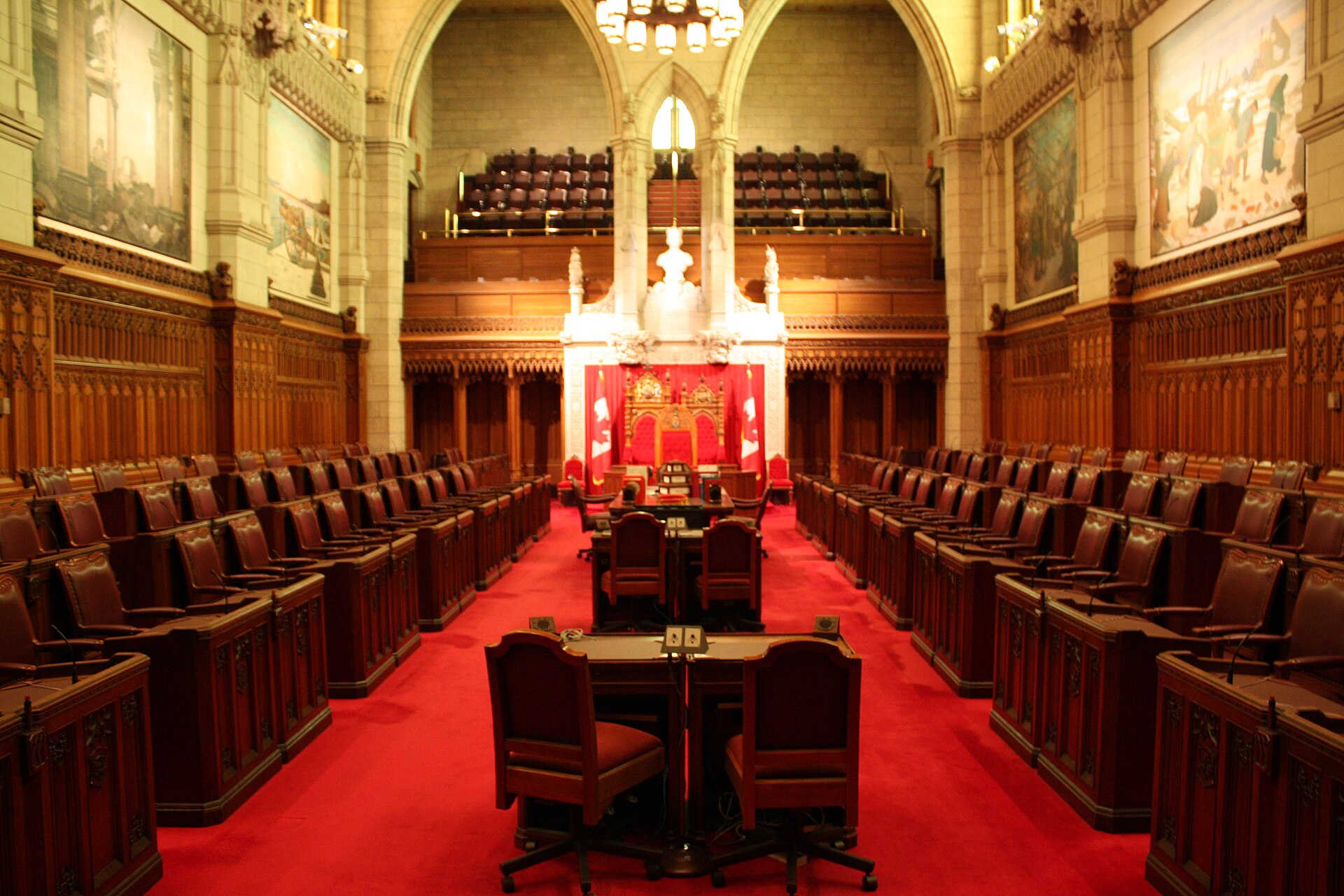
Senator Katherine Hay met a group of Toronto high school students on Oct. 14 to discuss Bill C-34, the federal Safe Social Media Act, which would set a minimum age of 16 for social media accounts and put AI chatbots under new child-safety duties, according to BetaKit.
The Department of Canadian Heritage says the bill requires a 16-year-old minimum age for accounts and creates a Digital Safety Commission of Canada to enforce it, according to its Safe Social Media Act page. Minister of Canadian Identity and Culture Marc Miller introduced the bill June 10.
Hay, a former Kids Help Phone chief executive who became a senator last year, said she plans to sponsor the bill in the Senate and will report what she heard to Miller. She told the students they can still shape the legislation. BetaKit reported that the closed-door session followed Rally’s digital wellness festival at Meridian Hall, which drew about 2,700 students, teachers and others from nearly 60 Greater Toronto Area schools.
Some students at the session called the bill a good start but said more work is needed, BetaKit reported. One said a complete ban could do more harm than good because of loopholes and inclusivity problems. Rally co-founder Keith Wallace said he does not know the bill in detail but believes social media has been unregulated for too long.
The bill has a long road ahead. The Parliament of Canada’s LEGISinfo tracker lists C-34 at second reading in the House of Commons, with first reading on June 10 the only recorded step. It has not been sent to committee, and the Senate has not taken it up. Our earlier report on the online harms bill at second reading described the same holdup in September.
The bill covers only services the federal cabinet designates by regulation, according to a summary by law firm DLA Piper. Operators of those services would have to use age-verification or age-estimation measures that are effective and privacy-protective, and the data collected would have to be destroyed once a check is complete. The commission could exempt a service that provides adequate safeguards for children.
DLA Piper said administrative penalties could reach the greater of $10 million or three per cent of gross global revenue, with each day of a violation counted separately. Criminal fines for operators could reach the greater of $20 million or five per cent of global revenue. Individual liability would be capped at $50,000, and the law carries no prison term.
Chatbots face their own duties. Under the bill, they would have to interrupt conversations involving suicidal thoughts or intent to harm and direct users to a human crisis service, DLA Piper said. They would also have to limit the risk of bots posing as humans or licensed professionals.
For Canadian tech companies, the practical questions sit in regulations that have not been written. Cabinet has yet to say which services are covered, and the commission would set the age-assurance rules. DLA Piper said full enactment is likely years away. Provisions would take effect on dates set by cabinet, so the rollout could be phased.
Canada’s AI and platform sectors are already debating oversight. Our coverage of a teachers’ union questioning the federal AI literacy course shows the same tension between access and protection in schools.
If you find reporting like this useful, consider supporting Canada News Media, an independent Canadian newsroom with no corporate parent.
Sources: BetaKit (Oct. 15, 2026), Canadian Heritage, Parliament of Canada LEGISinfo, DLA Piper. The bill is developing and has not passed second reading.
Follow Canada News Media
Get the day's top Canadian stories and our two daily 60-second news videos wherever you scroll.
X Threads Facebook Instagram LinkedIn TikTok YouTube Pinterest Reddit Substack Flipboard Newsletter RSS