



OTTAWA – The federal government says its proposed ban on social media for children under 16 is consistent with the Charter of Rights and Freedoms, even though it could affect freedom of expression.
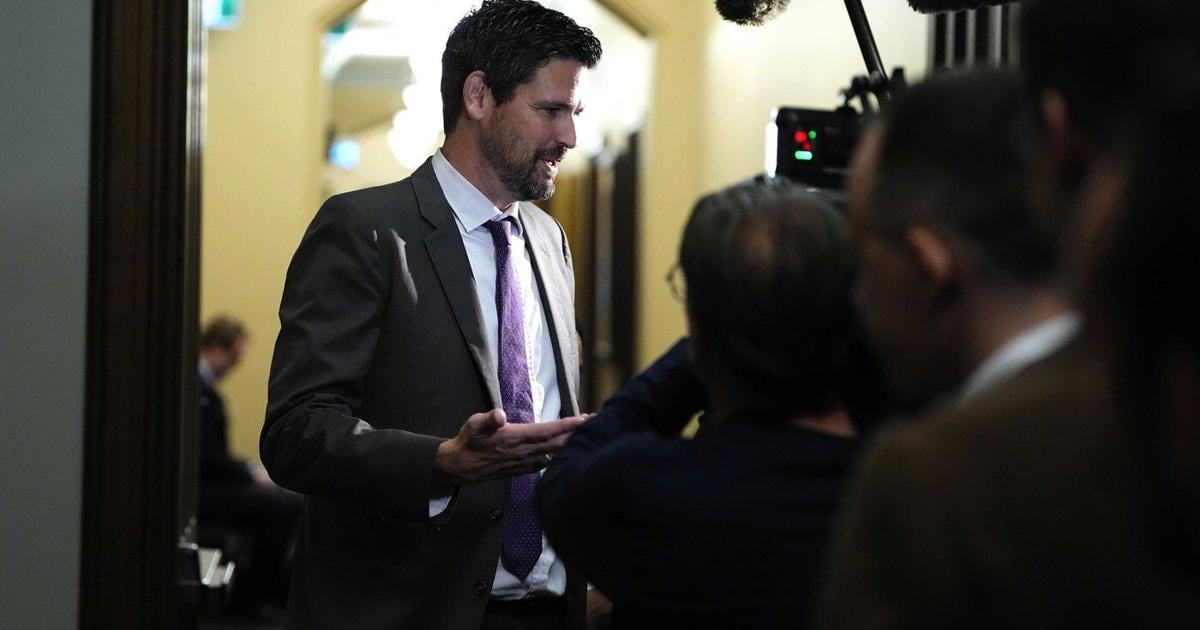
Bill C-34, the Liberals’ digital safety legislation, would bar anyone under 16 from social media accounts. Justice Minister Sean Fraser issued a Charter statement, the document that assesses whether a bill complies with the Charter.
“As this measure would affect the ability of users to post and consume content, it has the potential to engage freedom of expression protected by section 2(b) of the Charter,” the statement says. It adds that the bill might also touch equality rights and section 8, which covers privacy.
The government argues the limits are justified. It notes that age-based restrictions already apply to activities such as voting and driving, and it cites considerable evidence of risks to young people, including privacy concerns, problematic use and exposure to harmful content. The statement says material that young people post can be effectively impossible to remove, can spread virally, can feed algorithms that encourage problematic use, and can make the poster a target for grooming and cyberbullying.
Young people would still be able to browse sites anonymously without an account, the statement says. It also notes that a planned new regulator, to be created once the bill passes, could exempt platforms that put adequate safeguards in place.
Legal experts have warned the bill is likely to face a constitutional challenge. This summer, France’s top court struck down that country’s social media ban for children under 15, ruling it too broad and an infringement on freedom of expression. Tamir Israel, a director at the Canadian Civil Liberties Association, said at the time that C-34 shares many features with the French law. Michael Karanicolas, an associate law professor at Dalhousie University, said a Charter challenge is almost inevitable.
The bill was introduced in June. If it passes second reading in the House of Commons, it must go through a committee study and the Senate before it can become law.
For a full breakdown of what the bill does, see our earlier report on how Bill C-34 would ban under-16s from social media accounts. Our look at online harms as the top threat to Canadian children gives more background.
Source: The Canadian Press.
If you find reporting like this useful, consider supporting Canada News Media, an independent Canadian newsroom with no corporate parent.
Follow Canada News Media
Get the day's top Canadian stories and our two daily 60-second news videos wherever you scroll.
X Threads Facebook Instagram LinkedIn TikTok YouTube Pinterest Reddit Substack Flipboard Newsletter RSS