

Ontario’s coroner’s office has announced inquests into the deaths of two people who died in hospital after being transferred out of custody, one from a federal penitentiary near Kingston and one from a provincial jail in Penetanguishene.
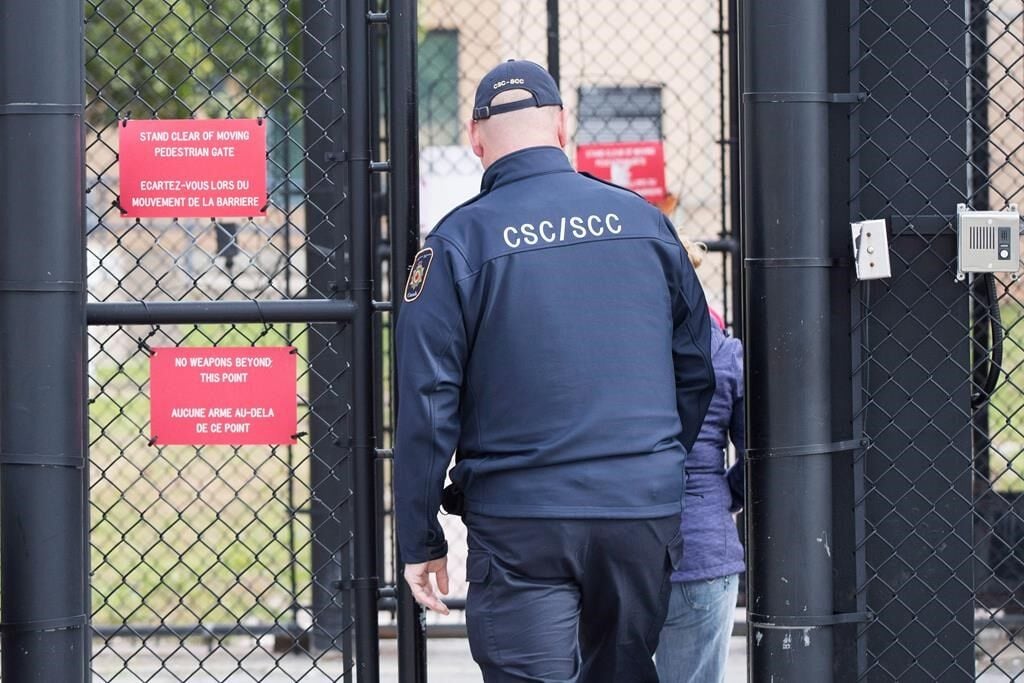
Dr. Armita Rahmani, the regional supervising coroner for the East Region in Kingston, said Friday that an inquest will be held into the death of Shawn Quehe. According to the Ministry of the Solicitor General’s release, Quehe, 25, died in hospital on June 2, 2019, after being transferred from Millhaven Institution in Bath, Ont. Millhaven is a maximum-security federal prison run by the Correctional Service of Canada.
The coroner’s office said the date and location of the Quehe inquest will be announced later. It has been nearly seven and a half years since his death.
A day earlier, Dr. Joel Kirsh, the regional supervising coroner for the Central East office, announced the inquest into the death of Tanya Hornjakov. She was 46 when she died in hospital on Sept. 19, 2022, after being transferred from the Central North Correctional Centre in Penetanguishene, a provincially run jail on Georgian Bay, according to the release on her case.
That inquest is scheduled to begin at 9:30 a.m. on Monday, Dec. 7, and is expected to last up to six days and hear from about five witnesses. Dr. Anthony MacDonald will preside, and Phillip Tsui will act as inquest counsel. The hearing will be held by video conference, and the public can watch it live through a streaming page set up for the inquest.
Neither release described how either person died or what happened before they were taken to hospital. Both inquests are mandatory under Ontario’s Coroners Act, which requires an inquest when a person dies while in custody.
A coroner’s inquest is a public hearing, not a trial. A jury hears evidence about the circumstances of a death and may make recommendations aimed at preventing similar deaths, but it does not assign legal blame. Recommendations are not binding, though the agencies they are directed at are typically asked to respond.
For families, an inquest is often the first public account of what happened to their relative, since the evidence is heard in open session and witnesses can be questioned by parties granted standing.
More information on how inquests work is available on the province’s coroner’s inquests page.
Follow Canada News Media
Get the day's top Canadian stories and our two daily 60-second news videos wherever you scroll.
X Threads Facebook Instagram LinkedIn TikTok YouTube Pinterest Reddit Substack Flipboard Newsletter RSS