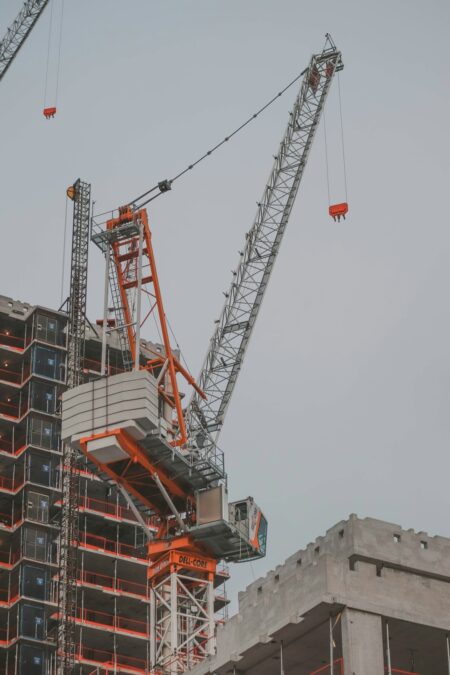



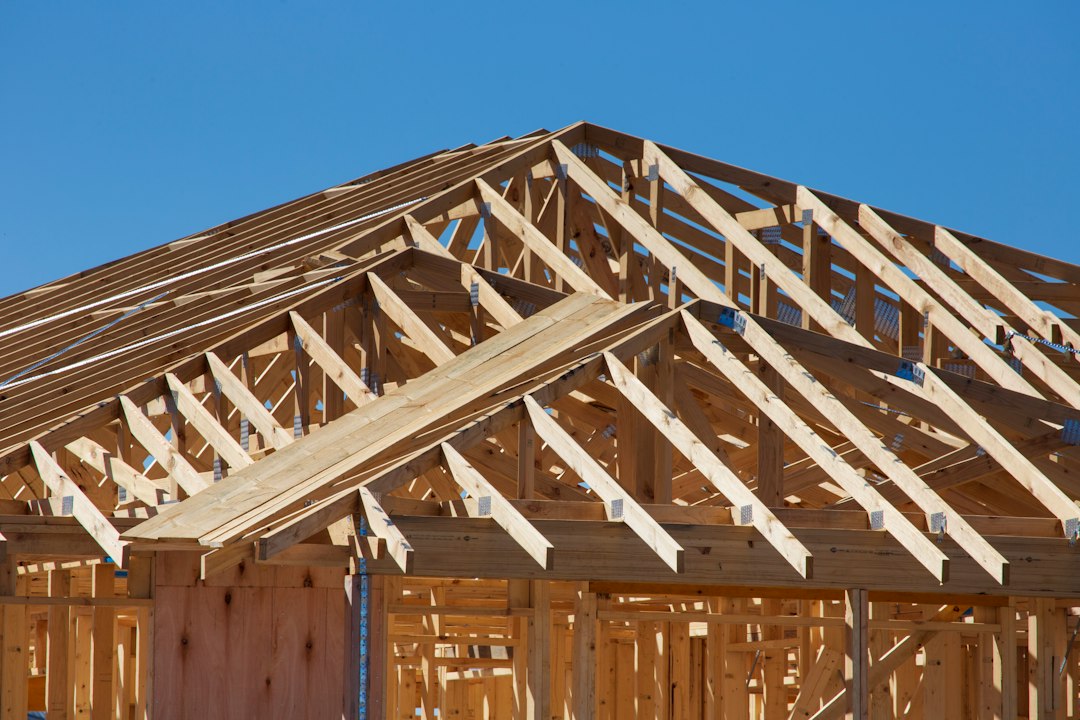
Canadian builders are starting homes at a seasonally adjusted annual pace of about 249,000, well short of the 417,000 to 469,000 starts a year the Canada Mortgage and Housing Corporation says the country needs through 2036 to restore pre-pandemic affordability.
CMHC’s most recent monthly data, released Oct. 16, put the September annual rate at 248,896 units, up three per cent from 242,223 in August. The six-month trend was 250,411. Actual starts in centres of 10,000 people or more, however, were down 11 per cent from a year earlier in September, at 19,984 units, and the January to September total of 170,964 is four per cent below the same period in 2025. CMHC is scheduled to release its October figures at 8:15 a.m. ET today.
How big is the gap?
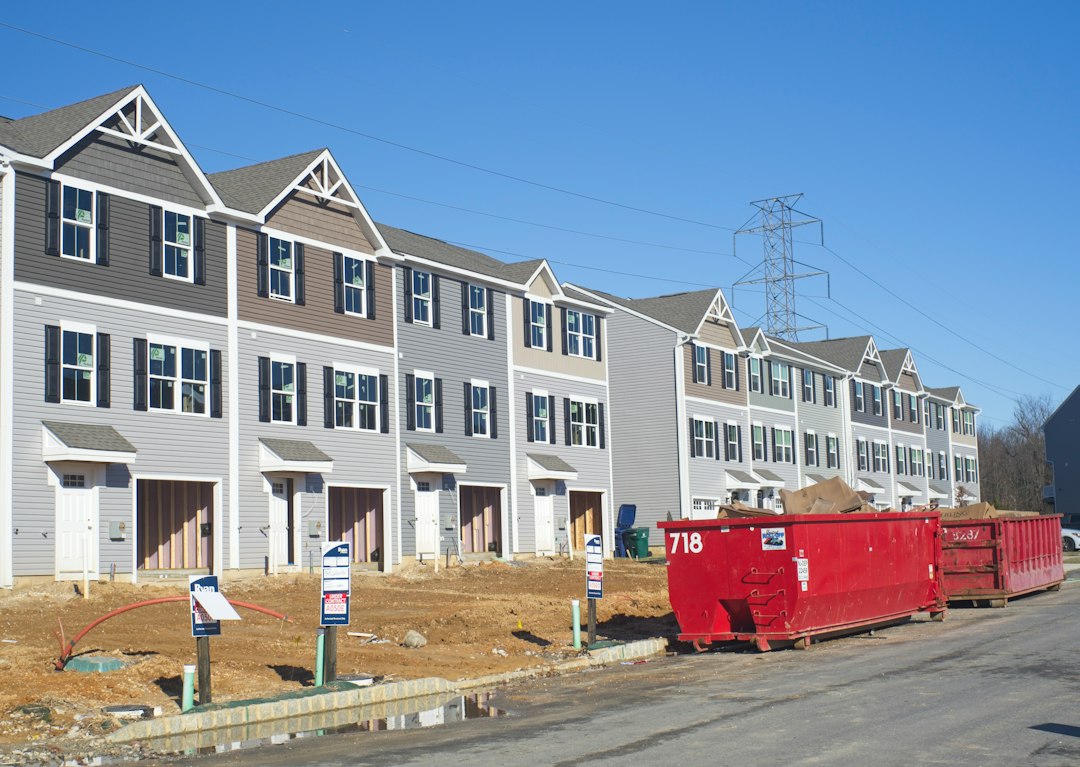
By our arithmetic, the September annual rate equals roughly 53 to 60 per cent of CMHC’s stated need. CMHC’s Fall 2026 Housing Supply Report, published Sept. 10, puts the national shortfall at 187,000 to 238,000 homes a year over the next decade, essentially unchanged from its 2025 estimate, according to Storeys. Canadian Mortgage Professional reported the same 417,000 to 469,000 range against a current pace of roughly 231,000 units, a different measure from the monthly rate cited above.
CMHC deputy chief economist Aled ab Iorwerth said in the release that “a key risk for Canada now is not building enough.” He noted that of the four most populous provinces, only Quebec has seen modest gains in starts this year, and that each of the seven major centres covered in the supply report is behind 2025’s pace.
The release’s provincial table supports that. Over the first nine months of the year, in centres of 10,000 or more, Quebec starts rose three per cent to 39,071. Ontario fell five per cent to 43,994, Alberta fell 13 per cent to 35,560 and British Columbia fell two per cent to 30,991.
Where the slowdown is sharpest
CMHC’s metropolitan tables show an uneven picture. From January to September, Calgary starts fell 16 per cent to 17,612 from 20,893 a year earlier. Toronto fell 14 per cent to 17,397 from 20,129, and Edmonton fell 14 per cent to 14,202. Montreal (19,028) and Vancouver (19,789) were down two per cent and three per cent. Halifax (down 35 per cent) and Hamilton (down 39 per cent) posted some of the steepest drops among larger centres.
Some cities are moving the other way. Ottawa-Gatineau starts rose 14 per cent to 10,196, Winnipeg rose 19 per cent to 5,382 and Quebec City rose 11 per cent to 7,330.
Monthly figures swing widely, and CMHC itself cautions that looking only at the monthly annual rate can mislead because multi-unit starts vary a great deal from one month to the next. Toronto shows why. The metropolitan area recorded 1,440 starts in September, down 61 per cent from 3,678 a year earlier, according to CMHC’s table, yet its six-month trend of 24,837 was down just one per cent.
Rentals are replacing condos
The mix of what is being built is changing. Storeys, summarizing the supply report, said developers in the City of Toronto started 156 condominium units in the first half of 2026, against a decade average of roughly 7,000 a year, while rental apartment starts rose 82 per cent over the same period. In Vancouver, rentals made up about 60 per cent of starts, up from under 20 per cent a decade ago, and condo apartment starts fell a further 40 per cent in the first half. Rental apartments now account for two-thirds of apartment starts in Canada’s key markets, the report found.
Storeys also reported that CMHC puts Vancouver’s pace of starts 5,000 to 7,000 units short of what is needed, and says Toronto must raise starts by at least 50 per cent, or 21,000 to 26,000 additional homes a year.
The pipeline
In centres of 50,000 people or more, 371,617 units were under construction in September, unchanged from August. Another 143,929 units had approved building permits but had not yet started, up 1.1 per cent from the month before, and builders finished 17,398 units, down 0.9 per cent. The permitted-but-unstarted units are the supply that could still convert to starts.
Canadian Mortgage Professional reported on Nov. 10 that national home prices ended the third quarter down 1.1 per cent from a year earlier, according to the RPS House Price Index, and that affordability gains could reverse if builders scale back in response to soft demand. Ab Iorwerth said in the release that improvements in affordability since 2023 will be hard to sustain unless construction picks up. Today’s October data will show whether the slowdown has deepened.
Sources: CMHC, Housing starts and construction data for September 2026 (Oct. 16, 2026); Storeys, Sept. 14, 2026; Canadian Mortgage Professional, Nov. 10, 2026. Percentage changes in provincial and metropolitan starts are as published in CMHC’s tables for centres of 10,000 or more. The 53 to 60 per cent comparison is our own calculation. Photos are illustrative stock photography from Unsplash and do not show properties named in the story.
Follow Canada News Media
Get the day's top Canadian stories and our two daily 60-second news videos wherever you scroll.
X Threads Facebook Instagram LinkedIn TikTok YouTube Pinterest Reddit Substack Flipboard Newsletter RSS