


Ontario Premier Doug Ford’s government tabled a bill Monday that would create a new legal pathway for victims of intimate image abuse to have those images deleted.
A proposed statutory tort would give victims access to civil remedies, including court orders to delete intimate images, to remove them from online platforms, and to award compensation, The Canadian Press reported. The bill would also create a process to fast-track court applications from victims trying to get images taken down.
Progressive Conservative MPP Jess Dixon, who has championed the issue, said the rules would apply to deepfakes and AI-generated images too. “Technology-facilitated abuse is insidious,” she said at a news conference. “An intimate image shared without consent, or even just the threat of sharing it, can be used to control someone, to humiliate them, to keep them from leaving, and increasingly, the image doesn’t even have to be real.”
The measures sit in an omnibus bill introduced Monday that also covers long-term care placement data, electronic medical records, student financial aid at career colleges and the child welfare system, according to The Canadian Press. CBC News also reported the tabling. The bill has to pass the legislature before any of it takes effect.
The change matters because Ontario has lacked a civil statute of this kind. A province-by-province guide in Canadian Lawyer describes Ontario as the only common law province without a civil law on the non-consensual creation, alteration and distribution of intimate images. Ontario victims have instead relied on common law privacy torts established in court decisions.
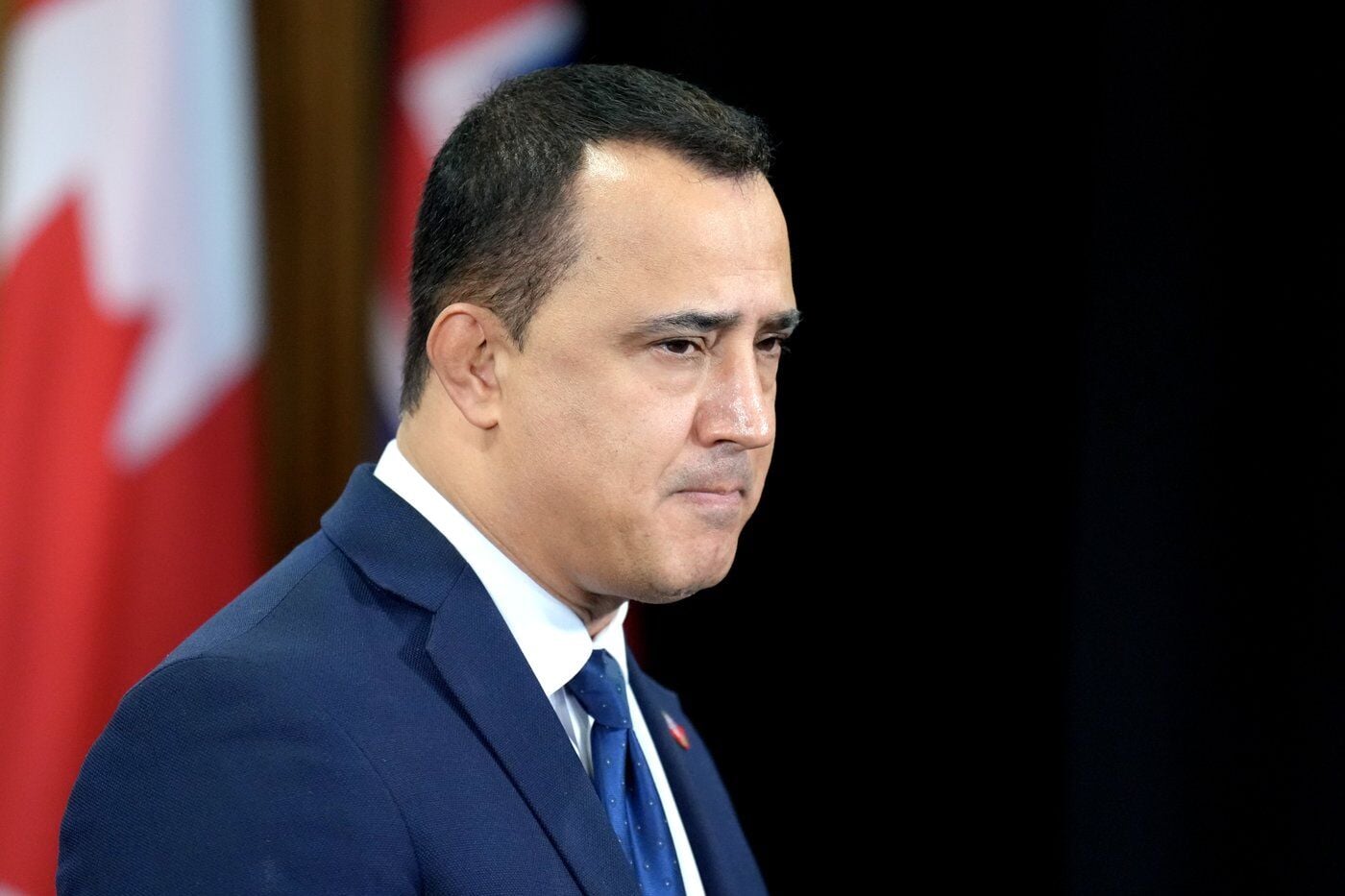
Children, Community and Social Services Minister Michael Parsa also announced a set of child welfare regulatory changes to accompany the bill. Upcoming regulations would require boards of children’s aid societies to include at least one person with financial expertise and to get government approval for arrangements such as buying or selling capital property. They would also increase visits by societies for kinship placements and clarify requirements for reporting serious occurrences.
The province launched a review of children’s aid societies in 2024 after Ford suggested they were being financially mismanaged. The report Parsa released Monday says the sector’s growing deficit is driven by staffing and placement costs, The Canadian Press reported. Boarding costs for children and youth in out-of-home placements grew by 50 per cent in four years, the report said.
“In the end, for us, it’s about improving outcomes for every child and every youth in that province,” Parsa said.
The Ford government’s fiscal position is already under strain: Ontario’s deficit has grown to $16.9 billion as the trade war drags on.
If you find reporting like this useful, consider supporting Canada News Media, an independently owned Canadian newsroom.
Follow Canada News Media
Get the day's top Canadian stories and our two daily 60-second news videos wherever you scroll.
X Threads Facebook Instagram LinkedIn TikTok YouTube Pinterest Reddit Substack Flipboard Newsletter RSS