


U.S. President Donald Trump signed the Common Cents Act on Friday, Nov. 20, directing the Treasury Department to stop making pennies for circulation and setting rounding rules for cash payments, the White House said.
The law, H.R. 10167, ends a coin that has been struck since 1793 and brings the United States in line with Canada, which stopped distributing its own penny on Feb. 4, 2013.
According to the White House notice of the signing, the act directs the Treasury to stop production of the penny except for collector needs. It also provides rounding guidance for cash transactions, lets the nickel be made from cost-saving materials and sets out the steps the Treasury secretary must follow to discontinue any coin for general circulation.
Congress passed the bill with bipartisan support. Retail Dive reported that the House version was co-sponsored by Republican Rep. Lisa McClain of Michigan and Democratic Rep. Robert Garcia of California, and that the Senate version came from Republican Sen. Cynthia Lummis of Wyoming and Democratic Sen. Kirsten Gillibrand of New York. The Senate gave its final approval after an amendment from Democratic Sen. Elizabeth Warren required the Treasury to notify Congress of any future coin discontinuation and provide a transition plan.
The same report said the U.S. Mint struck its last penny for circulation in November 2025, nine months after Trump directed the Treasury to stop production. Pennies will still be made as collectible coins under the new law, and the legislation directs the Treasury to explore using zinc instead of copper for the nickel to lower costs.
The rounding rules apply only to cash. Under the framework described by Nation’s Restaurant News, a cash total is rounded to the nearest nickel, while card, cheque and other electronic payments are still charged to the exact cent. Existing pennies stay legal tender.
Canadians have used the same system for years. The Royal Canadian Mint struck its last penny in Winnipeg on May 4, 2012, then stopped distributing the coin to financial institutions on Feb. 4, 2013, according to the Government of Canada. Ottawa’s guideline is that only the final, after-tax total of a cash sale is rounded, and the penny remains legal tender.
For Canadians crossing the border, the change means cash purchases in U.S. shops and restaurants will soon round to the nearest nickel, as they do at home. Card payments will be unaffected on both sides of the border.
The White House notice did not give a date by which the Treasury must complete the changes. Retail groups, including the National Retail Federation, had urged Trump to sign the bill without delay.
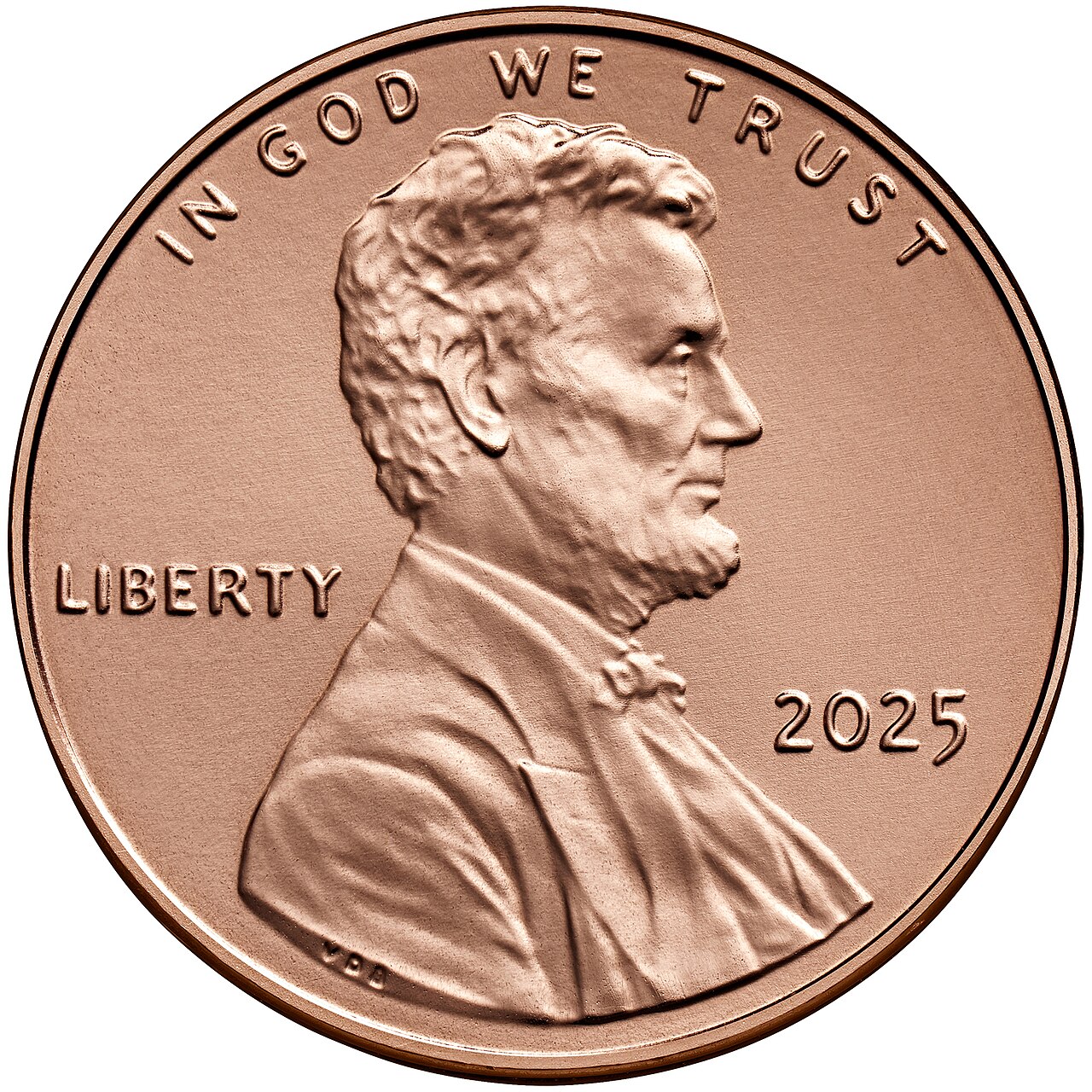
Via the White House, Retail Dive and Nation’s Restaurant News. Photo: a 2025 U.S. one-cent coin, public domain, United States Mint.
If you find reporting like this useful, consider supporting Canada News Media, an independently owned Canadian newsroom.
Follow Canada News Media
Get the day's top Canadian stories and our two daily 60-second news videos wherever you scroll.
X Threads Facebook Instagram LinkedIn TikTok YouTube Pinterest Reddit Substack Flipboard Newsletter RSS