


More than one in four vehicle recalls posted in Canada last year named software, either as the cause of the defect or as the fix, more than four times the number from a decade earlier, according to a Canada News Media count of every recall in Transport Canada’s recall database.
We counted 177 recalls in 2025 whose notices mention software, out of 651 recalls issued that year, or 27 per cent. In 2016 the figure was 41 out of 644, or about one in 16. The total number of recalls has barely moved over that time. What has changed is what is going wrong: trailer lights that stop working because of a module’s programming, backup-camera screens that go blank, and battery-management code in electric and hybrid vehicles.
This year the pattern is holding. From Jan. 1 to Oct. 22, 2026, the latest recall date in the file Transport Canada published on Nov. 23, 115 of 507 recalls mentioned software, or 22.7 per cent. That is below the 27.1 per cent for the same weeks of 2025 (138 of 510), but still about three times the share in the same period of 2016 (36 of 502, or 7.2 per cent).
The software recalls this year are also bigger. The notices list 1,805,864 affected units for software-related recalls from January to Oct. 22, 2026, up 48 per cent from 1,223,573 in the same period of 2025. A single vehicle can appear in more than one recall, so the unit count is a measure of recall size, not of individual vehicles on the road.
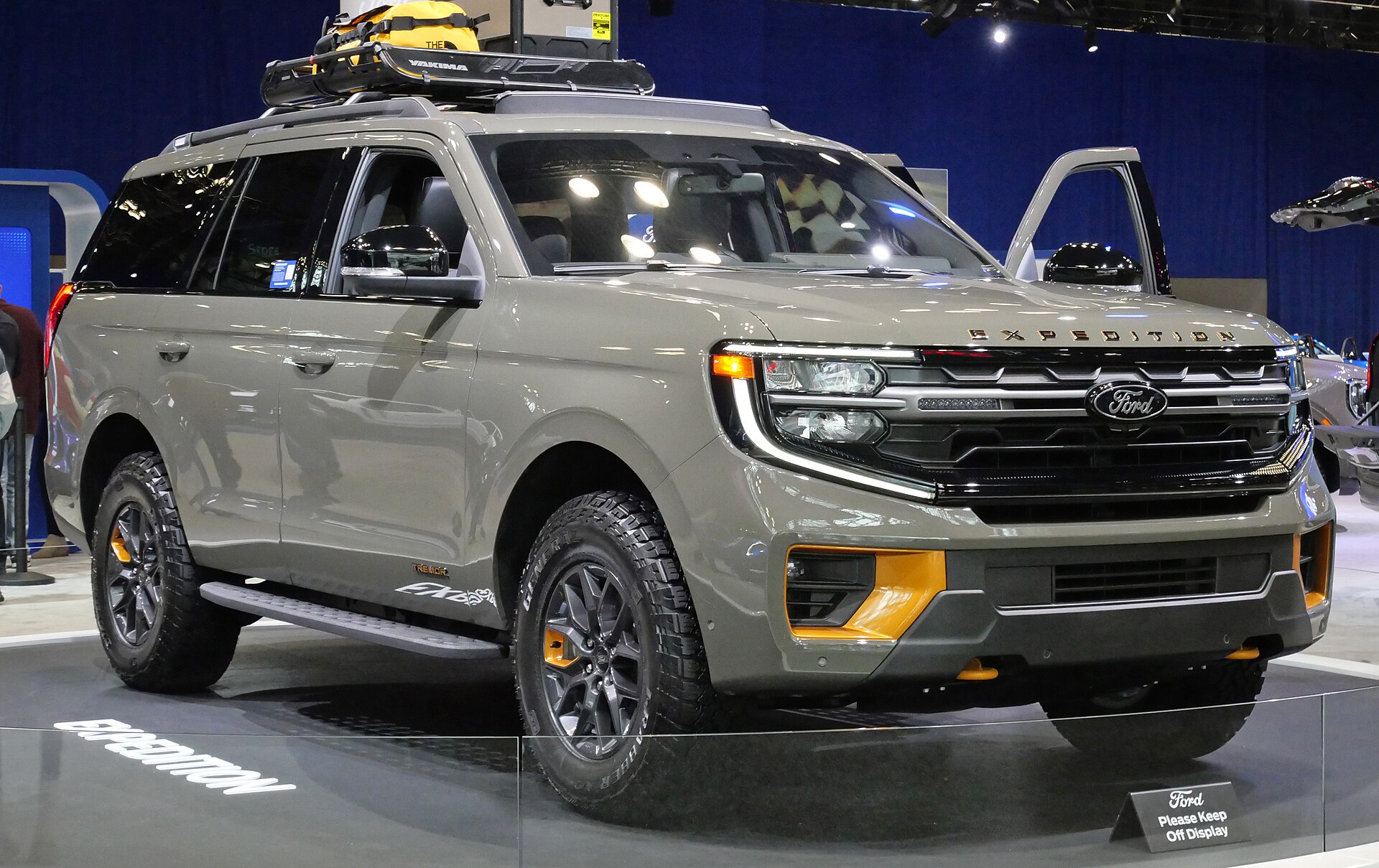
The largest of them, recall 2026-079, posted Feb. 20, covers 627,267 Ford and Lincoln vehicles, including the Ford Expedition. Transport Canada’s notice says a software problem with the integrated trailer module “may cause the trailer lights not to work when towing,” and could also stop the trailer brakes from working on some vehicles. Another Ford notice in April, covering 144,475 trucks, says a software problem could cause the transmission to downshift suddenly into second gear, with a risk of loss of control.
Ford and Lincoln, both Ford Motor Co. brands, together account for 26 of the 115 software-related recalls posted so far in 2026, the most of any manufacturer group in the file. Toyota (seven), Jeep and Hyundai (six each), Volkswagen (five), and Ram and Chevrolet (four each) follow.
Backup cameras are a recurring theme. Nineteen of this year’s software recalls mention the camera, and 41 did in 2025. Several notices, including one covering 99,375 Ford Motor Co. vehicles and another covering 82,868 Ram vehicles, state that Canadian regulations require the rear-view image to display when a vehicle is put in reverse, and that a software fault could stop it from doing so. A blank screen means those vehicles do not meet the federal safety standard until they are fixed.
Electric and hybrid drivetrains are a newer source. Recalls classed under the database’s “high voltage” system that mention software went from two in 2021 to 23 in 2024 and 18 in 2025, with 14 so far this year.
Of the 115 software recalls this year, 72 are classed as safety recalls and 43 as compliance recalls, meaning the vehicle did not meet a specific federal standard. In Canada, manufacturers must notify Transport Canada and owners of a defect that affects safety or of a failure to comply with the Motor Vehicle Safety Act standards.
What the records do not show is how many owners have had their vehicles fixed. Transport Canada’s open database lists recalls and the number of units involved but not completion rates, and it does not say which recalls were remedied by a dealer visit and which were updated over the air. Some manufacturers can now push software fixes wirelessly, but a recall is still a recall, and owners still receive notices.
For drivers, the practical step is the same whatever the cause. Owners can check a vehicle by make, model and year in Transport Canada’s motor vehicle recalls database, or by vehicle identification number on the manufacturer’s website, and recall repairs are normally done free of charge by dealers. Keeping your address up to date with the manufacturer means you receive the notice in the mail.
How we checked: We downloaded Transport Canada’s full Vehicle Recalls Database file (vrdb_full_monthly.csv, last modified Nov. 23, 2026, 147,328 rows covering 18,044 recall numbers since 1975) and reduced it to one record per recall number, using the earliest recall date. We counted a recall as software-related when its English description contains the word “software,” whether the notice names software as the cause or as the remedy. Year-to-date comparisons use Jan. 1 to Oct. 22 in each year because Oct. 22, 2026 is the latest recall date in the file. Unit counts are the largest “units affected” figure listed for each recall, summed. Manufacturer counts include a recall once for each brand named in it. Totals include every recall type in the database, including a small number marked inconsequential, superseded or recall audit. Quotations are from the recall notices themselves. We did not count recalls that describe an electronic or programming fault without using the word software, so the true share may be somewhat higher.
Follow Canada News Media
Get the day's top Canadian stories and our two daily 60-second news videos wherever you scroll.
X Threads Facebook Instagram LinkedIn TikTok YouTube Pinterest Reddit Substack Flipboard Newsletter RSS