

Alberta taxpayers covered $48.4 million in surface lease rent that oil and gas companies owed to farmers and other landowners and did not pay in the 2025-26 fiscal year, the most in the six years of figures the tribunal reports and up 62 per cent from $29.8 million the year before, according to figures from the province’s Land and Property Rights Tribunal.
The tribunal’s newest performance report, posted Nov. 2, shows the pace has not slowed. In the first six months of 2026-27, from April to September, landowners filed 5,522 new claims for unpaid rent, up 64 per cent from 3,376 in the same months a year earlier, and the tribunal directed another $15.0 million in payments. At the end of September, about 4,163 claims were still open.
Added up, the tribunal has directed $178.7 million in payments for unpaid surface rent since April 2020: $24.8 million in 2020-21, $14.1 million in 2021-22, $17.2 million in 2022-23, $29.4 million in 2023-24, $29.8 million in 2024-25, $48.4 million in 2025-26 and $15.0 million so far this year. New claims went from 4,212 in 2020-21 to 8,478 in 2025-26, the most in the table, and the tribunal issued 9,907 decisions on them last year.
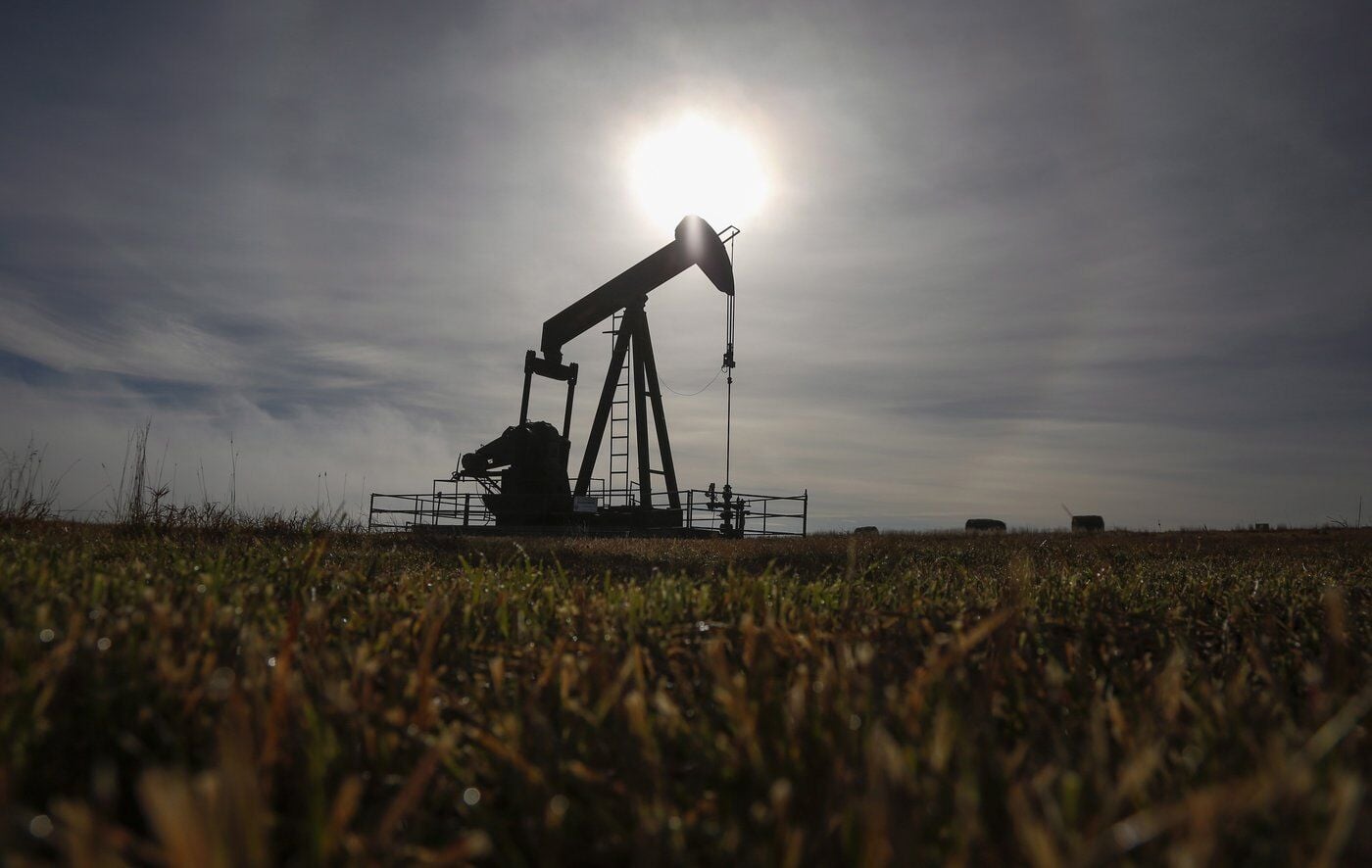
The money pays rent that energy companies agreed to pay landowners each year for wells, pipelines and access roads on their land. When an operator stops paying, often because it is insolvent or has walked away from its wells, the landowner can apply under section 36 of the Surface Rights Act. If the tribunal finds the money is owed, it directs the minister to pay it out of the province’s General Revenue Fund, the government’s main account. The rent keeps coming due every year until the site is reclaimed, so a single abandoned well can produce a claim year after year.
The tribunal calls this “the Tribunals’ most significant workload pressure.” Its report says recovery claims came with “elevated intake, a large open caseload, and service-standard performance that should be monitored closely.” It aims to decide each claim within 120 days of a complete application and met that standard for 64 per cent of claims in the first half of 2026-27, meaning about one in three took longer.
Part of this year’s jump in claims is a paperwork change, not only more unpaid rent. In early 2026 the tribunal started a pilot project to simplify repeat claims, and in May it announced automatic filing: landowners who were paid before, whose land and operator have not changed and whose site is not reclaimed no longer have to file a new application each year. The tribunal sends a notice and processes the claim unless the landowner opts out within 60 days. That makes it easier to collect and is likely to raise the number of claims counted. The 2025-26 fiscal year, when payments jumped to $48.4 million, ended before automatic filing began in May 2026, although the pilot ran in its final months.
The tribunal’s published decisions show which companies’ debts land on the public account most often. Canada News Media counted the respondents named in all 5,716 Land and Property Rights Tribunal decisions posted on CanLII, the national legal database, from the tribunal’s creation in 2021 to Nov. 23, 2026. The operator named most often was Lexin Resources, in 372 decisions, followed by Trident Exploration with 235, Sequoia Resources with 187, Houston Oil & Gas with 179, Ember Resources with 171, AlphaBow Energy and SanLing Energy with 165 each, and Questfire Energy with 134. Decisions we sampled for these companies were mostly section 36 claims in which the tribunal found the rent past due and directed the minister to pay, though some dealt with costs, reconsiderations or whether a reclaimed site still owed rent. CanLII carries only the decisions the tribunal publishes, a small share of the about 38,000 recovery decisions it reports issuing since 2020, so these counts show which names come up most in the public record, not each company’s share of the money.
The Surface Rights Act lets the government try to recover what it pays from the operator, but the tribunal’s reports do not say how much, if any, the province has collected back. They also do not break the $178.7 million down by company or by county, and they do not say how many separate wells or landowners the claims cover, since one landowner can file every year. Those figures would show how much of the bill taxpayers end up keeping.
The costs are rising at the same time as other unpaid oil and gas bills. Earlier this month we reported that one insolvent company holds about one in five of the wells in Alberta’s orphan well queue, and Alberta’s rural municipalities have long reported unpaid property taxes from energy companies. The surface rent bill is separate from both: it is paid by the province from general revenue, not by the industry-funded orphan levy.
For landowners who are owed rent, the process is free. A claim can be filed with the tribunal’s recovery unit at [email protected] or 780-427-2444, and the tribunal’s guidance says landowners who have been paid before may now be moved to automatic filing. Responsibility for the Surface Rights Act moved on June 2, 2026, from Environment and Protected Areas to the Ministry of Service Alberta and Red Tape Reduction, which now issues the payments.
How we checked: The dollar figures, claim counts, open caseload and timeliness rate come from Table 2 and the text of the Land and Property Rights Tribunal’s second-quarter 2026-27 performance report, part of its quarterly report series; we added the yearly amounts ourselves, and percentage changes are rounded. Fiscal years run April to March. The company counts come from the CanLII listing of all 5,716 published tribunal decisions as of Nov. 23, 2026: we took the respondent from each case title, removed punctuation and endings such as Ltd. and Inc. so that spelling variants count once, and tallied them. We read the CanLII summaries for a sample of decisions naming these operators to confirm what kinds of claims they were. A decision naming a company records that a claim was decided; it is not a finding about the company’s finances beyond what that decision says.
Follow Canada News Media
Get the day's top Canadian stories and our two daily 60-second news videos wherever you scroll.
X Threads Facebook Instagram LinkedIn TikTok YouTube Pinterest Reddit Substack Flipboard Newsletter RSS