


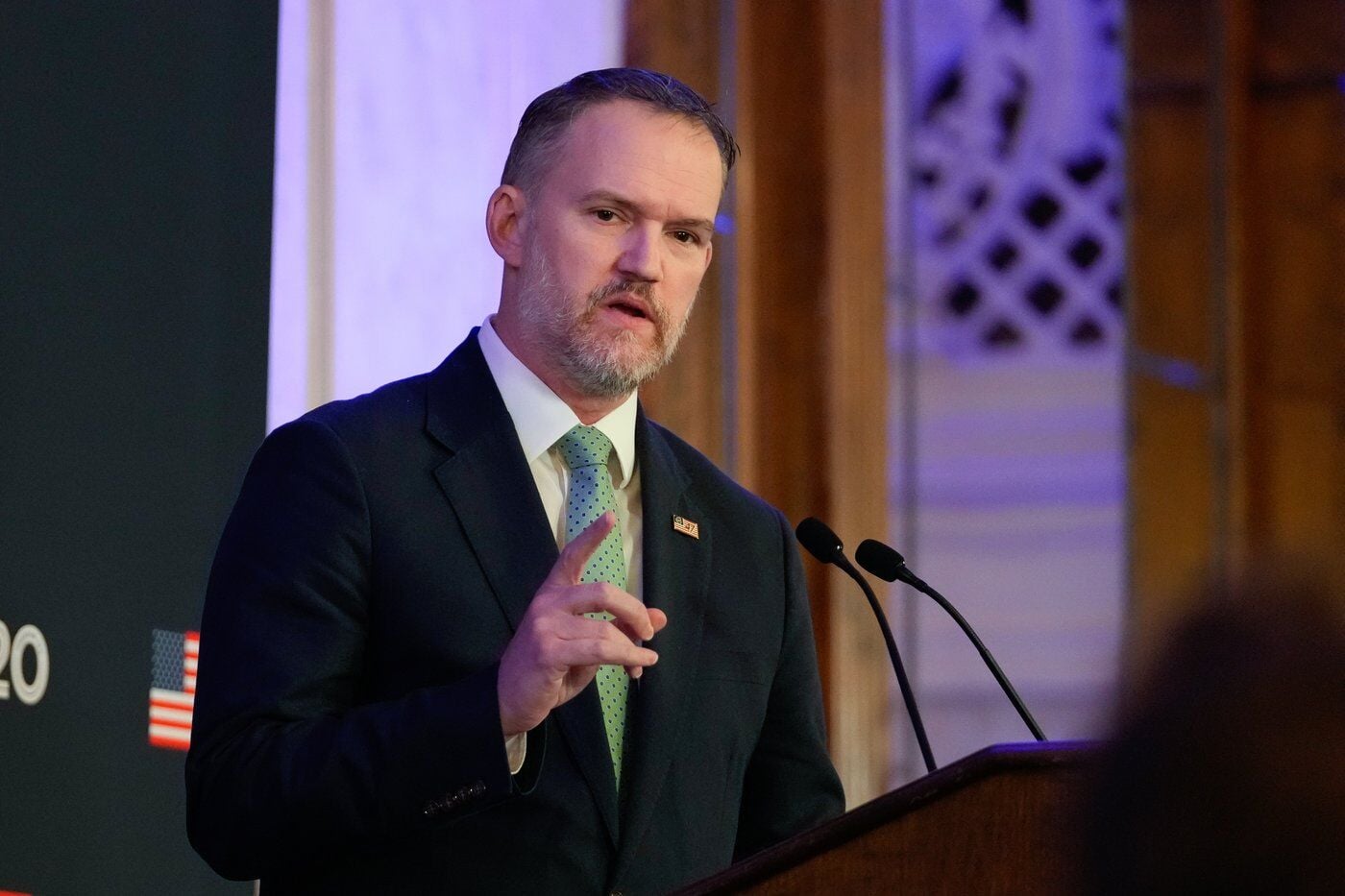
U.S. Trade Representative Jamieson Greer said Sunday that Washington and Ottawa are “fairly close on finding a landing zone” for a trade agreement, the most upbeat assessment from the Trump administration’s top trade official since Canada walked away from talks in August.
Greer made the remarks in an interview with Fox News on Nov. 22, The Canadian Press reported. He described the talks as constructive but criticized Canada’s decision to let more Chinese electric vehicles into the country and to expand tariff relief on some Chinese steel and aluminum products.
Ottawa sounded more cautious. Canada-U.S. Trade Minister Dominic LeBlanc told Radio-Canada that progress has been made, but that Canada is not on the verge of signing an agreement. No deal text, signing date or list of tariff changes has been released by either government.
By Canada News Media’s count, Greer’s comment is at least the fourth time in 29 days that a senior U.S. official has described a deal as near. White House economic adviser Kevin Hassett said on Oct. 25 that the two countries were “very close,” as we reported, and President Donald Trump used the same words before the Nov. 3 midterm elections. On Nov. 12, Greer said the countries had spoken “in the past few days,” we reported. Two days later, Prime Minister Mark Carney said in Manila that a deal was possible but “not yet there.”
Meanwhile, the tariffs remain. As of Sunday, the U.S. 50 per cent tariff on a list of Canadian goods under Section 338 of the Tariff Act of 1930 had been in force for 92 days, since Aug. 22, and the 25 per cent U.S. tariff on autos, trucks and parts has applied since April 2025, according to our guide to the tariffs now in effect. Most Canadian alcohol, whey protein and motorcycles have been barred from the U.S. market since Sept. 29.
Greer said most goods traded between the two countries still cross the border duty-free, which supports jobs on both sides, La Presse reported from the same interview. “It’s a more positive situation, I think, than people imagine,” he said, according to a French translation of his remarks. He called the differences between the two governments “philosophical,” saying Canada favours freer trade while the United States is trying to fix problems caused by globalization.
His China criticism points to two deals Carney has struck with Beijing this year. In January, Canada lowered its tariff on a quota of up to 49,000 Chinese-made electric vehicles a year in exchange for Chinese tariff relief on canola. At the Asia-Pacific Economic Co-operation summit last week, Carney and President Xi Jinping widened that arrangement, removing a 25 per cent Chinese tariff on Canadian frozen pork and shrimp while Canada eased restrictions on 32 Chinese steel and aluminum items, as we reported. Greer said the administration wants to protect the North American economy in the auto, steel and aluminum sectors.
The comments follow a briefing on Nov. 19 in which LeBlanc, chief trade negotiator Janice Charette and Ambassador Mark Wiseman updated the federal advisory committee on Canada-U.S. relations. Members heard that Ottawa had grown more optimistic about an interim arrangement, though hard bargaining was expected to continue, we reported. Carney has said Canada will not accept a deal that undermines its auto industry, which CTV News has reported remains the main unresolved issue.
Talks broke down in August after what Carney described as last-minute U.S. demands, including limits on Canada’s ability to sign trade deals with other countries. Trump has threatened higher duties in January if there is no agreement. Canada’s own counter-measures have also carried a cost: Ottawa refunded $5.6 billion in surtaxes on U.S. goods in 2025-26 through remission orders, according to the Public Accounts of Canada, as we reported.
Greer’s remarks were among the most searched topics in Canada on Sunday, with more than 20,000 Google searches for a U.S. trade policy update, according to Google Trends.
If you find reporting like this useful, consider supporting Canada News Media, an independently owned Canadian newsroom.
Sources: The Canadian Press, La Presse, Radio-Canada, CTV News, Canada News Media archive.
Follow Canada News Media
Get the day's top Canadian stories and our two daily 60-second news videos wherever you scroll.
X Threads Facebook Instagram LinkedIn TikTok YouTube Pinterest Reddit Substack Flipboard Newsletter RSS