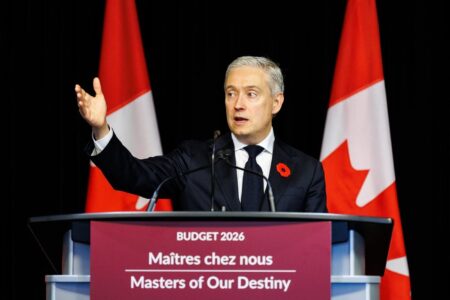



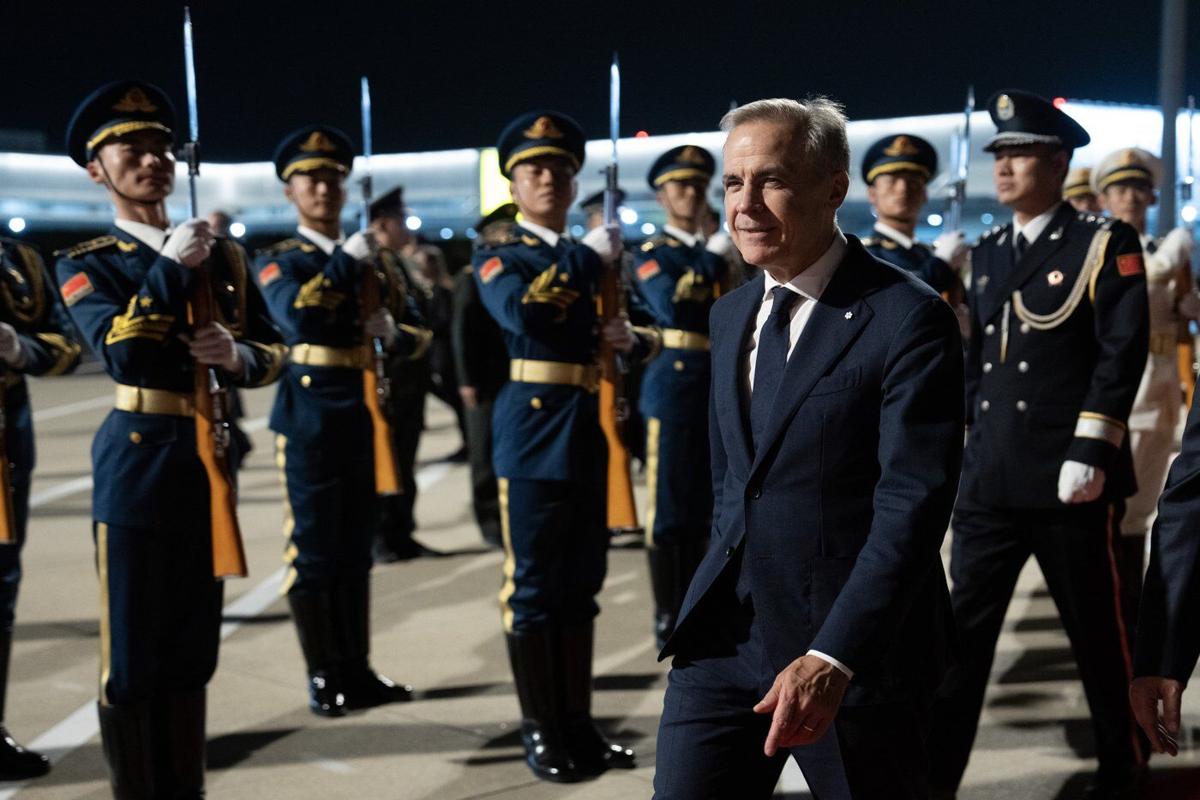
Prime Minister Mark Carney and Chinese President Xi Jinping agreed Tuesday to widen a trade arrangement that removes a 25 per cent Chinese tariff on Canadian frozen pork and shrimp, in exchange for Canada easing steel and aluminum restrictions on Chinese goods.
The two leaders met in Shenzhen, where China is hosting the Asia-Pacific Economic Co-operation summit. Carney’s office said the tariff relief covers about $400 million in annual Canadian exports, as reported by The Canadian Press.
Frozen pork cuts and frozen cold-water shrimp are the main additions. Greenland halibut, some mollusks and sea cucumber are also on the list. China also agreed to open its market to Canadian fava beans, chickpeas and lentils, and the two sides will work toward a deal on pet food and wild aquatic products by the end of the year.
In return, Ottawa will expand its remissions coverage to 32 more steel and aluminum items from China, made up of 23 steel products and nine aluminum goods. Canada said the items are ones for which domestic supply is insufficient or unavailable.
The new measures sit on top of an agreement reached in January, when Canada lowered its tariff on Chinese electric vehicles and China cut duties on canola products. The two countries extended that arrangement earlier this month to late 2028. Canadian trade data suggests exports to China have risen 40 per cent since January, with gains in oil, canola and peas.
Carney’s parliamentary secretary, Kody Blois, told reporters the package will be felt across the country, from Nova Scotia lobster harvesters to Canada Goose factories in Winnipeg and Quebec. He said the deal does not remove China’s duty on canola oil, which remains a smaller priority than canola meal.
The Canadian Meat Council’s chief executive, Kyle Larkin, said the Chinese market is valuable because of demand for cuts that sell poorly at home. The Canadian Meat Advocacy Office welcomed the wider access for pork but noted that offal remains blocked.
Canada will send a major trade mission to China in 2027, and both countries have declared 2027 a year of e-commerce to help small and medium businesses sell through Chinese online platforms.
The meeting comes days after Carney said Canada would look elsewhere if trade talks with the United States fail, comments that drew pushback from U.S. trade adviser Peter Navarro. We covered that exchange in Navarro slams Carney over Chinese automaker comments and Carney’s remarks in Carney open to Chinese automakers if U.S. trade talks fail.
Carney has said Ottawa has set guardrails on the talks, keeping sensitive sectors such as critical minerals and artificial intelligence off the table. He said before the trip that he would raise foreign interference with Xi. Beijing has denied any such activity.
The Shenzhen stop is part of a nine-day trip that has included summits in Dublin, Manila and Cambodia. Earlier stops are covered in Carney lands in Manila seeking trade deals with ASEAN, and our guide to Canada’s tariffs and what they cost you tracks the wider trade picture.
If you find reporting like this useful, consider supporting Canada News Media, an independently owned Canadian newsroom.
Follow Canada News Media
Get the day's top Canadian stories and our two daily 60-second news videos wherever you scroll.
X Threads Facebook Instagram LinkedIn TikTok YouTube Pinterest Reddit Substack Flipboard Newsletter RSS