



Cocaine was involved in as many drug toxicity deaths in Nova Scotia last year as opioids, 74 each, and the province’s total of 147 deaths was the highest since its records begin in 2009, according to a Canada News Media analysis of provincial data updated Nov. 6, 2026. The death rate in the Eastern Zone, which covers Cape Breton and the eastern mainland, has nearly doubled since 2019.
The figures come from the substance-related fatality data the Nova Scotia government publishes on its open data portal, which count deaths certified as drug toxicity deaths by year, drug, health zone and other details. Many deaths involve more than one drug, so a single death can be counted under both cocaine and opioids.
The total has risen four years in a row: 82 deaths in 2021, 112 in 2022, 128 in 2023, 138 in 2024 and 147 in 2025. The 2025 rate was 13.4 deaths per 100,000 people, up from 9.8 in 2019. Of last year’s deaths, 123 were certified as accidents and 21 as suicides. Men accounted for 96 and women for 51.
Cocaine is the biggest change. Deaths involving cocaine rose to 74 in 2025 from 20 in 2019 and 12 in 2015, more than six times the 2015 level. Opioid-involved deaths rose more slowly, to 74 from 56 in 2019, and the 2025 opioid figure is close to the 73 recorded in 2023 and the 67 in 2012. Methamphetamine was involved in 16 deaths last year, up from nine in 2024.
Nova Scotia’s opioid picture also differs from Western Canada’s, where illegal fentanyl dominates. The provincial file counts 62 deaths involving pharmaceutical opioids in 2025 and 20 involving non-pharmaceutical opioids; some deaths involved both. Pharmaceutical benzodiazepines were involved in 43 deaths, antidepressants in 21 and gabapentinoids in 16.
Among accidental deaths, stimulants are now the most common thread. In 2025, 35.6 per cent of accidental toxicity deaths involved stimulants without opioids and another 34.8 per cent involved both, while 18.6 per cent involved opioids without stimulants. In 2024, deaths involving opioids without stimulants were 30.4 per cent of the total.
The Eastern Zone stands out. It recorded 38 deaths in 2025, a rate of 21.4 per 100,000 residents, up from 16.4 in 2024, 12.7 in 2023 and 11.6 in 2019. The other three zones were between 11 and 12.5: Central, which includes Halifax, had 61 deaths and a rate of 11.3; Northern had 20 deaths and a rate of 12.3; and Western had 24 deaths and a rate of 11.2. The zone figures add to 143; the file does not place the other four deaths in a zone of residence.
The last three months of 2025 were the deadliest quarter in the records, with 50 deaths, ahead of 43 in the last quarter of 2023. Preliminary monthly figures for 2026, which include suspected cases not yet confirmed, show 131 deaths from January to October, including 18 in March and 17 in June.
The file also describes where people died. In 2025, 65.5 per cent of deaths happened in a personal residence and 8.3 per cent in community-based shelter support, up from 4.4 per cent in 2024. Just over 18 per cent of people who died were provisionally accommodated, in emergency shelter or unsheltered. In 70.3 per cent of cases the person was found dead and it was unknown whether anyone else knew they were using substances.
The records have limits. The 2026 numbers are not comparable with earlier years because they include suspected cases and will change as investigations close. The file does not say where drugs came from, whether a death involved a toxic or contaminated supply, or whether naloxone was given. Counts by drug overlap and cannot be added together. Small numbers in individual zones can swing from year to year, so a single year’s rate should be read with care. The data do not show why cocaine deaths have risen, and they do not measure the effect of any provincial program.
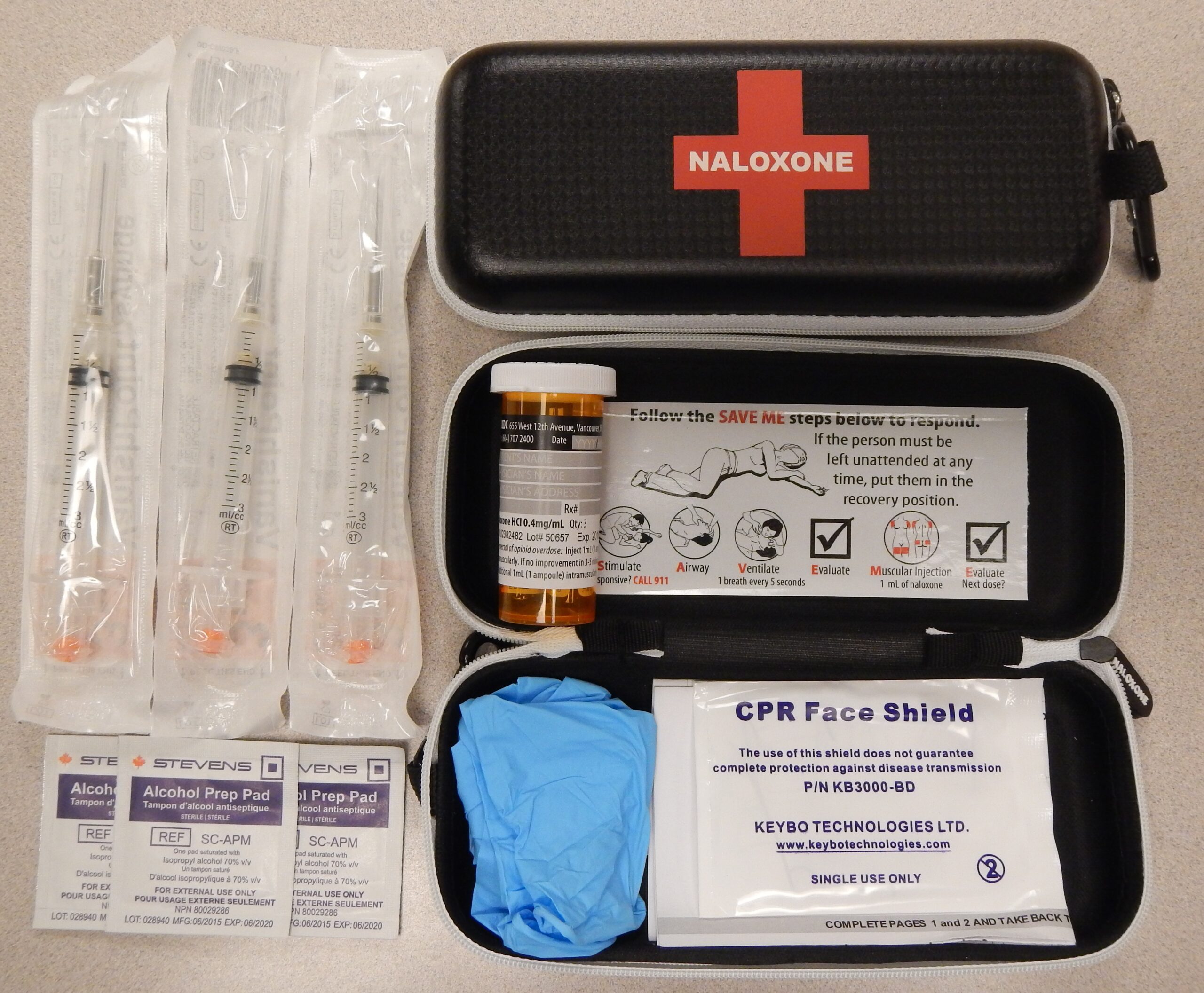
Nova Scotia offers free take-home naloxone kits at many pharmacies, and anyone with a substance use concern can call the province’s mental health and addictions intake line at 1-855-922-1122.
How we checked: We downloaded the Nova Scotia government’s numbers and rates of substance-related fatalities file (6,790 rows, updated Nov. 6, 2026) and read the companion accidental toxicity deaths by contribution of opioids and stimulants description. We used the province-wide annual rows for all manners of death and both sexes for 2009 to 2025, the zone rows for 2019 and 2023 to 2025, the quarterly rows to rank quarters, and the 2026 monthly rows, which the province labels as including suspected cases. Rates are the province’s own, per 100,000 people. Every figure was checked twice against the raw rows.
Follow Canada News Media
Get the day's top Canadian stories and our two daily 60-second news videos wherever you scroll.
X Threads Facebook Instagram LinkedIn TikTok YouTube Pinterest Reddit Substack Flipboard Newsletter RSS