

To unclog a kitchen sink, start with a cup plunger, then try hot (not boiling) water, baking soda and vinegar, and finally a drain snake or a cleaned-out P-trap. Most slow or standing-water clogs in a kitchen sink are grease, food scraps and soap residue, and they can usually be cleared in under an hour with tools you already own.
The problem tends to show up in late November and December, when holiday cooking sends more grease, peels and leftovers down the drain and many households run the garbage disposal harder than usual. Chemical drain cleaners are the quickest thing on the store shelf, but plumbers and home-improvement guides generally list them as a last resort because repeated use can corrode pipes, and they make plunging or snaking afterward more hazardous. The steps below follow the order the guides from Bob Vila, Angi, Home Depot and The Kitchn have in common, starting with the gentlest method.
Before you start, wear gloves and eye protection, put a bucket and old towels nearby, and know what your pipes are made of. Plastic (PVC) drain pipe can soften with very hot water, so Bob Vila advises using hot but not boiling water, and Home Depot says boiling water should not be used on PVC at all. If you do not know what your pipes are, stick with hot tap water.
- Step 1: Check the garbage disposal. If your sink has one, run it with cold water. If it hums or does not start, press the red reset button on the bottom or side of the unit, as Angi and Home Depot both advise. If you plan to plunge, unplug the disposal first.
- Step 2: Plunge it. Use a cup plunger with a flat rim, not the flanged toilet type, and keep a separate plunger for the kitchen. Remove the stopper and fill the sink with enough water to cover the plunger head. On a double sink, block the other drain with a rag or stopper. If a dishwasher hose is connected to the disposal or drain, Bob Vila and Home Depot say to clamp it or disconnect and cap it so pressure does not push water the wrong way. Make a tight seal and pump firmly for about 15 seconds, then pull the plunger away. Repeat a few times and run water for a minute or two to see whether it drains.
- Step 3: Try hot water. Bail out standing water, then pour about six to eight cups of hot tap water or very hot (not boiling) water straight down the drain. Repeat once if the water starts to move. Stop if nothing changes after two tries.
- Step 4: Use baking soda and vinegar. Remove standing water, pour in one cup of baking soda, then one cup of white vinegar, and cover the drain with a stopper. Wait 15 minutes, then flush with hot water. All four guides give these same amounts. This works best on light to moderate clogs, and Bob Vila suggests the same mix about once a month to keep drains clear.
- Step 5: Use a wet/dry vacuum. Set it to wet, seal the hose against the drain (a damp rag around the nozzle helps), and run it on the highest setting. Pull the hose away slowly so you do not stress the pipe, as The Kitchn notes.
- Step 6: Snake the drain. Remove the stopper or strainer, feed the cable of a sink auger into the drain by hand until you feel resistance, then crank so the end hooks or breaks up the clog. Do not force it. Pull the cable out, clean it, and flush with hot water. Home Depot suggests pulling out an extra foot of cable and locking it before cranking.
- Step 7: Clean the P-trap. The U-shaped pipe under the sink often holds the clog. Put a bucket underneath, unscrew the two slip nuts by hand or with a wrench, and empty and rinse the trap. Reassemble and tighten by hand or only lightly with a wrench, because Angi and Home Depot both warn that overtightening can crack the fittings. Run water and check for leaks. If the water still will not clear, the blockage is probably deeper in the wall pipe.
If you reach the end of the list and the sink still will not drain, or if several fixtures are backing up at once, stop and call a licensed plumber. A backup in more than one drain points to a blocked main line, which is not a kitchen sink job. Angi also cautions that a mistake while removing the trap or snaking the line can lead to more costly damage. Plumbing in older homes with metal pipes can also be fragile, so ask a professional if you are unsure what is behind the wall.
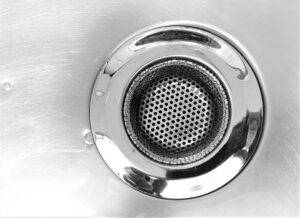
To keep the clog from coming back, keep grease and cooking oil out of the drain (let it cool and put it in the trash), use a sink strainer, and run hot water for a few seconds after each use. Guides also list bones, coffee grounds, rice, pasta, potato peels and eggshells as items to keep out of the disposal. Home Depot and Angi both advise grinding no more than about one cup of food waste at a time and running cold water before, during and after.
Other appliances that share the kitchen plumbing can cause trouble too. See our guides on how to clean a dishwasher in Canada, how to fix a running toilet in Canada and how to test a sump pump before winter in Canada.
If you find reporting like this useful, consider supporting Canada News Media, an independently owned Canadian newsroom.
Sources: Bob Vila, “5 Ways to Unclog a Sink Drain”; Angi, “How to Unclog a Kitchen Sink”; Home Depot, “How to Unclog a Kitchen Sink”; The Kitchn, “How to Unclog a Kitchen Sink.”
Follow Canada News Media
Get the day's top Canadian stories and our two daily 60-second news videos wherever you scroll.
X Threads Facebook Instagram LinkedIn TikTok YouTube Pinterest Reddit Substack Flipboard Newsletter RSS