

Ottawa wants foreign buyers back in the market for new homes, but it has not said what counts as new, a gap that matters for the thousands of finished condos sitting unsold in Metro Vancouver.
Budget 2026, tabled Nov. 5, proposes extending the federal ban on purchases of residential property by non-Canadians by two years, to Jan. 1, 2029, while exempting new residential properties, according to a bulletin from the law firm Fasken. The ban took effect Jan. 1, 2023, and was extended once before, in February 2024, to Jan. 1, 2027. The change is only a proposal. Fasken said the government has promised legislation and a regulatory process “in short order,” and until then the current ban and its exemptions continue to apply.
The budget does not say whether a new home means only a pre-sale unit or any home that has never been occupied, the bulletin noted. It was co-authored by Vancouver real estate partner Kristian Arciaga.
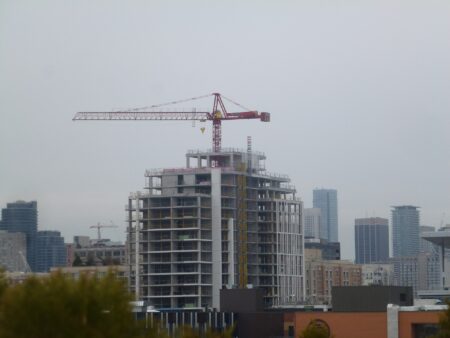
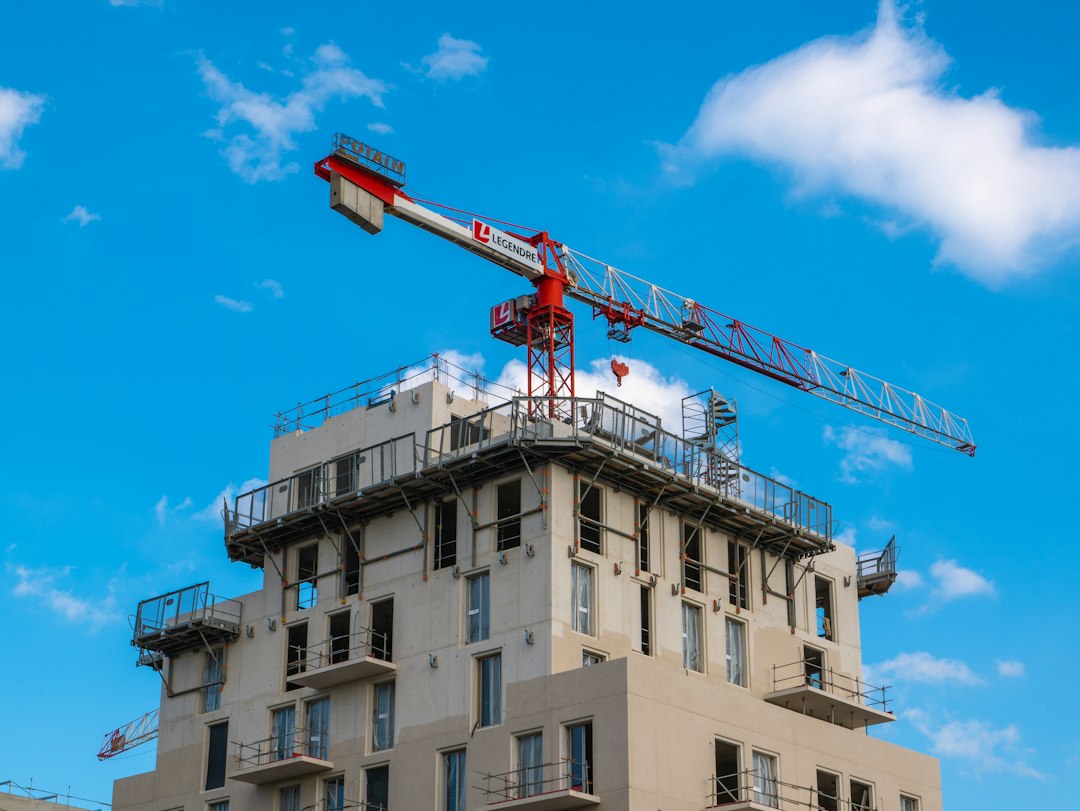
The distinction is large in Metro Vancouver. The brokerage Rennie counted more than 14,000 unsold new condominiums at the end of June 2026, Daily Hive reported: 15 per cent in projects awaiting construction, 56 per cent under construction and 29 per cent finished but unoccupied. By our calculation, 29 per cent of 14,000 is roughly 4,000 units. An exemption limited to pre-sales would leave those completed homes outside the carve-out.
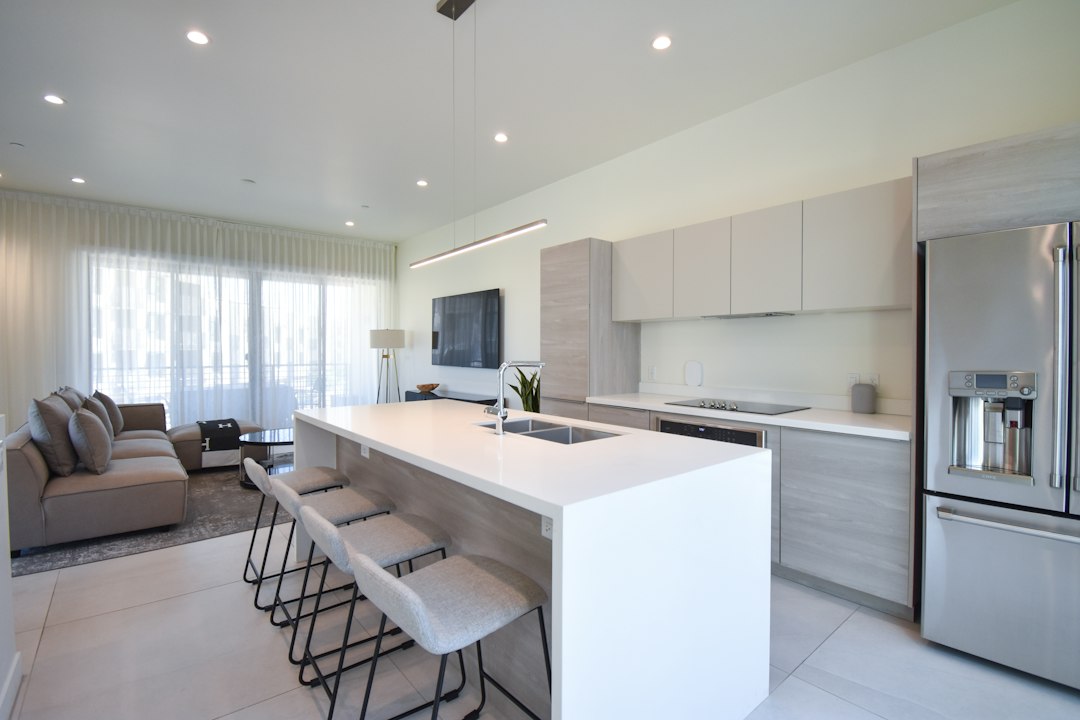
How much foreign demand would come back is an open question. Before the federal ban, foreign buyers made up a small share of purchases. Provincial data cited by Daily Hive show they were involved in about 1.4 per cent of B.C. residential transactions in 2022 and about 1.3 per cent in Metro Vancouver, or 778 of nearly 60,000 registered transactions. In the Toronto-area land registry regions, the share was about 1.25 per cent, and 2 per cent in the City of Toronto.
Set against the unsold inventory, those numbers are modest. By our calculation, 778 transactions equal about 5.6 per cent of the 14,000 unsold units. The comparison is rough: the 2022 figure covers all types of residential property over a full year, while the Rennie count is a snapshot of condo inventory. It shows scale, not a forecast.
Exposure to new condos was higher than the overall share. Statistics Canada figures from 2020, cited by The Hub, put non-residents at 13.6 per cent of new condos in Vancouver and 7.7 per cent in Toronto. The Hub noted that the non-resident category includes Canadians living abroad.
Provincial levies are untouched, The Hub reported: B.C.’s 20 per cent foreign buyer tax and Ontario’s 25 per cent non-resident speculation tax still apply. A senior policy analyst at the B.C. Real Estate Association wrote in the group’s budget reaction that, unless B.C. adjusts its rules, the federal exemption may have limited practical effect in the province, Daily Hive reported. Michael Drummond, chief executive of the Urban Development Institute, welcomed the exemption and said applying the ban to new homes had cut off investment projects rely on to reach pre-sale targets and secure construction financing. He urged B.C. to follow suit. Lenders generally want about 70 per cent of a building’s units presold before advancing construction financing, The Hub reported.

Not everyone is convinced the change helps buyers. Yinnon Geva, an assistant professor at the University of Toronto’s Institute for Management and Innovation, told CTV News the move appears aimed at keeping the development industry going, and asked how it helps affordability. The Canadian Home Builders’ Association said the broader housing package leaned heavily on earlier commitments and offered too few new measures for ownership housing, according to Daily Hive. Andrew Lis, chief economist at Greater Vancouver Realtors, welcomed the change, saying it should support construction of new homes.
The details will come with the legislation: how Ottawa defines a new home, when the exemption starts, and whether B.C. moves its own tax. The current ban is set to expire Jan. 1, 2027, so an extension would need to be in place by then. For context on the other housing measures in the budget and on the supply side, see our reports on the $1.5-million insured-mortgage cap and on unsold new homes hitting 7,568, the most for any October since 1990.
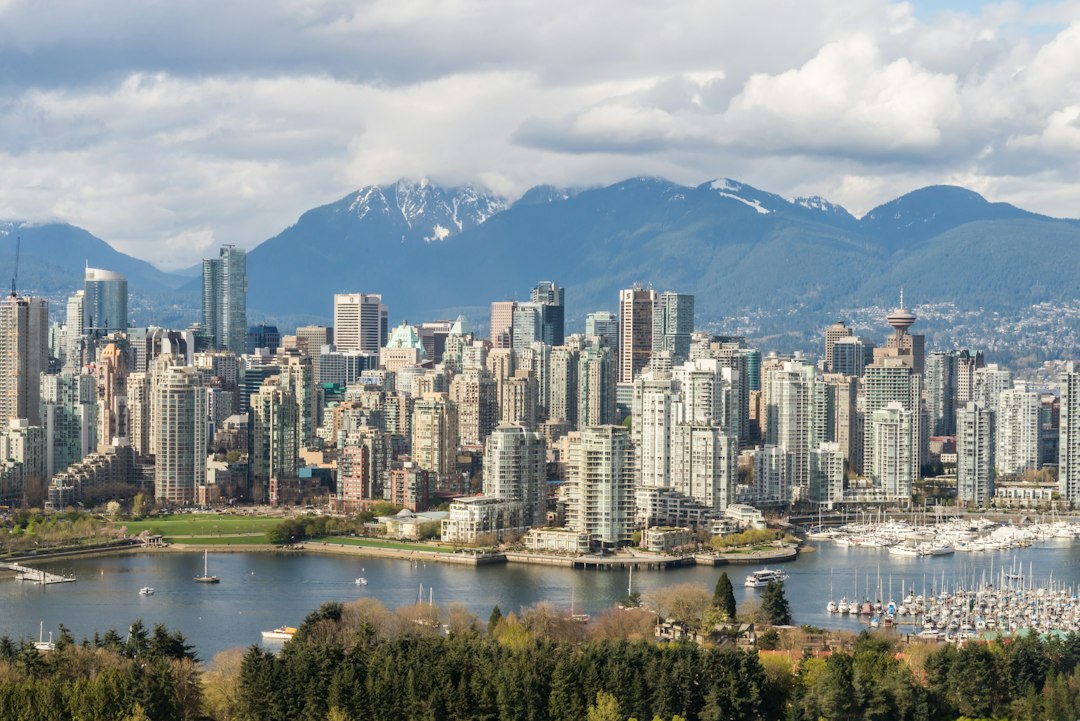
Featured image: illustrative stock photo of a city skyline, not a property discussed in this article. Photo: Luke Lawreszuk / Unsplash. Calculations marked as ours are based on the figures cited.
Sources: Fasken, Budget 2026 foreign buyers ban bulletin; Daily Hive Vancouver; The Hub, Nov. 9, 2026.
Follow Canada News Media
Get the day's top Canadian stories and our two daily 60-second news videos wherever you scroll.
X Threads Facebook Instagram LinkedIn TikTok YouTube Pinterest Reddit Substack Flipboard Newsletter RSS