

The U.S. Trade Representative’s Office is expected to release a tariff investigation in the coming days that targets China, the European Union and 14 other economies but not Canada, with higher duties on those 16 expected to be announced soon, The Associated Press reported Tuesday.
Mexico, Canada’s other partner in the Canada-United States-Mexico Agreement (CUSMA), is among the 16. A notice published in the Federal Register on March 17 does not mention Canada.
AP cited two people familiar with the matter who were not authorized to speak publicly. They said the timing could still change, and the size of the new tariffs was not immediately clear. The White House and the trade office did not respond to AP’s requests for comment. Bloomberg and The Wall Street Journal reported the plans earlier Tuesday, AP said.
According to the notice, the investigations began March 11 under Section 301 of the Trade Act of 1974. They examine what the trade office calls structural excess capacity, or factory capacity out of step with demand. Besides China, the European Union and Mexico, the list names Singapore, Switzerland, Norway, Indonesia, Malaysia, Cambodia, Thailand, South Korea, Vietnam, Taiwan, Bangladesh, Japan and India.
The notice’s illustrative list of affected sectors includes several that matter to Canadian industry, among them aluminum, automobiles, steel, energy goods, chemicals, paper and processed food.
In Mexico’s case, the trade office cited a goods trade surplus with the United States of US$197 billion in 2025, led partly by the auto sector. It said the U.S. market took 79.7 per cent of Mexico’s automotive exports. Those are the U.S. government’s stated grounds for investigating, set out before the probe was finished. A separate U.S.-Mexico trade deal had stalled over metals tariffs as of late October.
The new duties would be added to tariffs of 10 to 12.5 per cent that the administration imposed in July on 60 trading partners, saying they had inadequately enforced bans on goods made with forced labour, AP reported. The administration has been working to replace broad 2025 tariffs that the U.S. Supreme Court struck down in February.
Being left out of this investigation does not free Canadian goods from U.S. tariffs. A 10 per cent forced-labour tariff has applied since July 24 to Canadian goods that do not comply with CUSMA, and other U.S. duties hit sectors such as autos and softwood lumber. Our guide to the tariffs now in effect lists them.
The report comes two days after U.S. Trade Representative Jamieson Greer said Washington and Ottawa were “fairly close” on a trade deal. Greer also criticized Canada for letting in more Chinese electric vehicles. Canada-U.S. Trade Minister Dominic LeBlanc said progress had been made but a deal was not imminent.
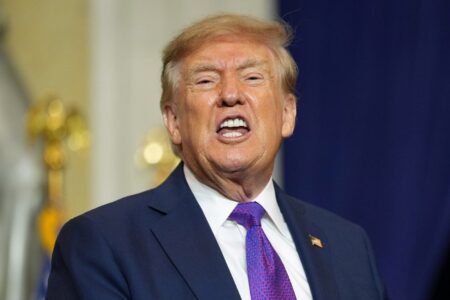
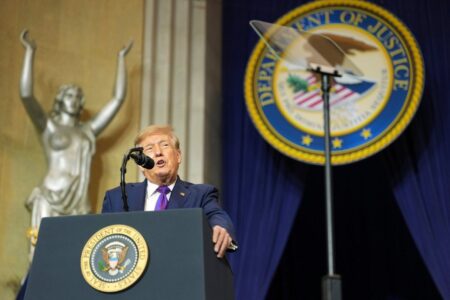
China had protested the July tariffs, AP reported, and the new action comes after President Donald Trump visited Shenzhen last week for talks with Chinese President Xi Jinping. It also follows Republican losses in this month’s midterm elections, which AP said were driven largely by concerns about the cost of living. Trump could veto legislation that tried to overturn or weaken the tariffs, AP noted.
The next step is the trade office’s release of its findings. Until then, the rates, any exemptions and the start date remain unconfirmed.
If you find reporting like this useful, consider supporting Canada News Media, an independently owned Canadian newsroom.
Sources: U.S. Federal Register, March 17, 2026; The Associated Press.
Follow Canada News Media
Get the day's top Canadian stories and our two daily 60-second news videos wherever you scroll.
X Threads Facebook Instagram LinkedIn TikTok YouTube Pinterest Reddit Substack Flipboard Newsletter RSS