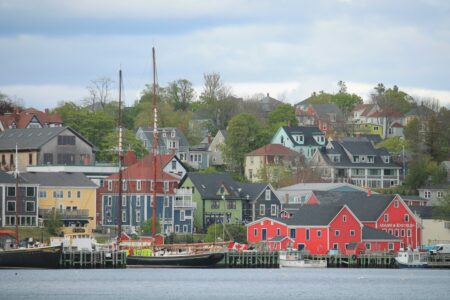

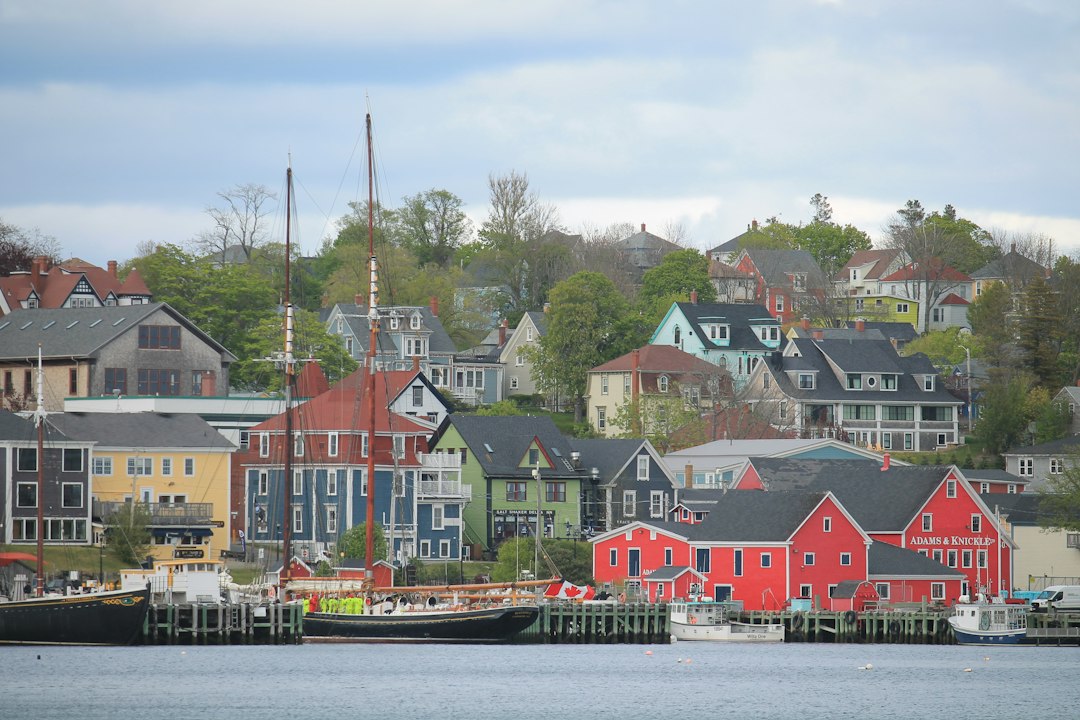
In late July 1784, a crowd of white Loyalists in Shelburne, N.S., tore down the home of a Black Baptist preacher and about 20 other houses belonging to free Black residents, in what historians describe as one of the earliest race riots in North America.
The Canadian Encyclopedia says about 40 men carried out the first attack, using hooks and chains taken from ships in the harbour. The target was David George, who had founded his church in Shelburne rather than in the nearby Black settlement of Birchtown. The encyclopedia says the mob later returned, beat George with sticks and chased him into a swamp.
The violence lasted about 10 days across Shelburne County, according to the encyclopedia, and most of the attacks were aimed at free Black residents. A Liverpool merchant, quoted by the encyclopedia, wrote that “some thousands of people assembled with clubs and drove the Negroes out of town.” Incursions into Birchtown were reported for as long as a month.
Shelburne had been founded in 1783 as a refuge for Loyalists who left the American colonies during the Revolutionary War. A summary of the historical record on Wikipedia, which draws on historian James Walker’s study of the Black Loyalists, says the town briefly had about 10,000 residents, including more than 1,500 formerly enslaved people who had joined the British side.
The Nova Scotia Museum says about 40,000 Loyalists arrived in the province between 1776 and 1785, roughly tripling its population, and about 3,500 of them were Black. Most of those who were enslaved or indentured went to the town of Shelburne, while free Black settlers went to Birchtown. The museum says Col. Stephen Blucke led about 1,200 Black Loyalists there in what it calls the largest Black township of the time in British North America.
The promises that drew them were not kept evenly. The museum says the British pledged 100 acres to each head of family, 50 acres for every other household member, and three years of rations. Of 649 Black men, only 187 received land. Many arrived too late in the year to build homes or plant, and spent their first winter in tents, huts or pits dug into the ground.
Those conditions fed the anger behind the riot. The Canadian Encyclopedia says white labourers saw free Black workers as willing to accept far lower wages, and that delayed land grants for white refugees and hostility toward British administrators added to the tension. The museum makes the same point about wages, saying Black workers were paid less than white workers, which the attackers cited as taking work from white settlers.
The encyclopedia also points to George’s preaching. He had baptized white Loyalists, which it says challenged the racial hierarchy of the day. The Wikipedia summary identifies the couple as William and Deborah Holmes, baptized in the spring of 1784 over the objections of relatives.
Many Black residents fled to Birchtown. The Wikipedia summary says veterans among them formed militia companies and could defend themselves at first, but could not stop the continuing violence. The mob also turned on the colony’s own officials. Surveyor Benjamin Marston, who was seen as working with ineffective British authorities, fled to the army barracks and then escaped by boat to Halifax, the encyclopedia says.
Four companies of the 17th Regiment were sent to restore order, the encyclopedia says, and Gov. John Parr visited Shelburne on Aug. 23 and sent a naval frigate to support the troops. The accounts of the aftermath differ. The Canadian Encyclopedia says only one person was charged in connection with the riot. The Wikipedia summary says no rioters who attacked Black Loyalists or Marston were identified or prosecuted, and that Marston was dismissed after Parr blamed him for the unrest. Many scholars, it says, see Marston as a scapegoat for wider problems with land settlement and racism. No deaths were recorded.
The riot did not end the Black presence in the area, but it stayed in the community’s memory. In 1791, Birchtown residents were offered passage to Sierra Leone, and the encyclopedia says at least half of the settlement’s families left in 1792. The Wikipedia summary says David George was among more than 1,200 Black Loyalists who sailed for Freetown. Shelburne’s economy declined in the late 1780s, and about four-fifths of its population left, it says.
The episode has since been retold in fiction and film, including Lawrence Hill’s novel The Book of Negroes. The Wikipedia summary cautions that some of those works change the dates and add a mass lynching and church burning that the historical record does not document.
The Nova Scotia Museum notes that slavery remained legal in the province until 1834, a reminder that Shelburne’s Black residents lived under the law’s shadow long after the Loyalist ships arrived.
If you find reporting like this useful, consider supporting Canada News Media, an independent Canadian newsroom with no corporate parent.
Sources: The Canadian Encyclopedia, “The Shelburne Race Riots”; Nova Scotia Museum, “Black Loyalist Communities in Nova Scotia”; Wikipedia, “Shelburne riots” (which cites James W. St. G. Walker, The Black Loyalists, 1992). Dates differ slightly between accounts, so this article gives the riot as late July 1784.
Follow Canada News Media
Get the day's top Canadian stories and our two daily 60-second news videos wherever you scroll.