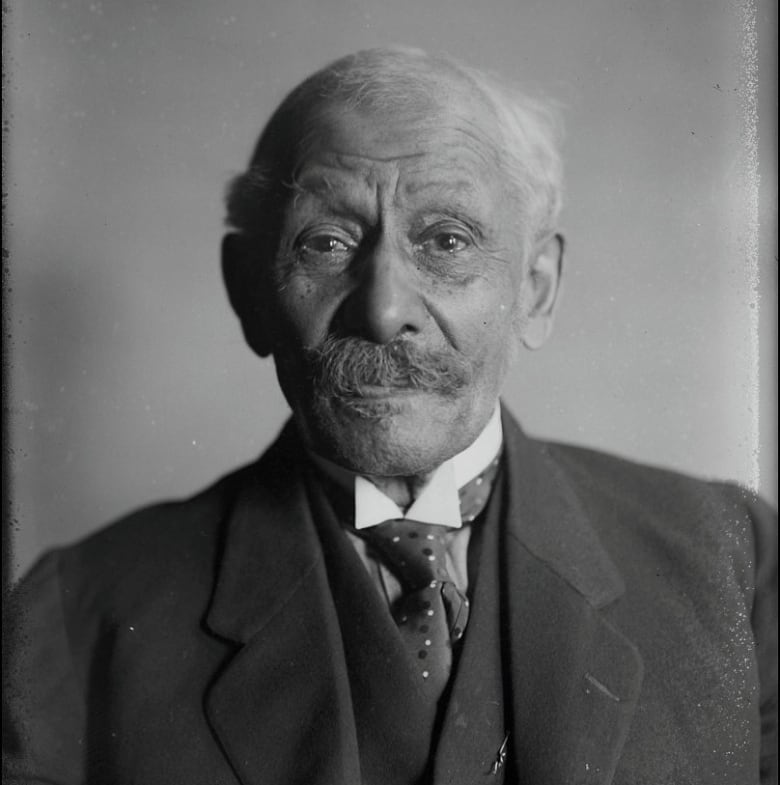




On Nov. 22, 1993, Justice Horace Krever opened organizational hearings in Ottawa for a federal inquiry into how Canada’s blood supply came to carry HIV and hepatitis C, the start of one of the most consequential public inquiries in the country’s history.
The Canadian Press, in its Nov. 22 “Today in History” entry, described the inquiry as an effort to determine how more than 1,000 hemophiliacs and transfusion patients had contracted HIV from contaminated blood between 1980 and 1985. Later estimates were higher. The Canadian Encyclopedia says at least 2,000 recipients of blood and blood products were infected with HIV in those years, and that another 30,000 transfusion recipients contracted hepatitis C between 1980 and 1990.
The federal government created the commission in the fall of 1993. According to Wikipedia’s account of the commission, an order in council was issued on Oct. 4, 1993, and Krever, an Ontario Court of Appeal judge, was appointed chair when the commission itself was issued on Oct. 27. The same account says organizational hearings were held in Ottawa on Nov. 22 and 23. The first phase of public hearings ran from February to December 1994. Sources differ on how to describe the Nov. 22 session, which the Canadian Press recorded as the opening of the inquiry, so this account uses the narrower description of organizational hearings.
The inquiry mattered because the contamination was not a single accident. The Canadian Encyclopedia lists among the root causes the failure to screen blood from high-risk donors for fear of blood shortages. Hemophiliacs, who depend on clotting products made from pooled plasma, and people who received transfusions after surgery or childbirth were among those exposed. The encyclopedia says about 8,000 of those who received contaminated blood products are expected to die.
Krever’s final report concluded that governments and blood agencies had failed to take precautionary screening and testing measures to protect the supply. Wikipedia, citing a CBC archive item, says the report was tabled in the House of Commons on Nov. 26, 1997. The Canadian Encyclopedia gives the date as Nov. 21, 1997, and the sources have not been reconciled here. The commission also estimated that 85 per cent of the 30,000 hepatitis C infections from transfusions between 1986 and 1990 could have been prevented.
The report set out principles that still frame the debate over blood in Canada, including that blood is a public resource and that no one should be paid to donate blood or plasma. Its main recommendation, no-fault compensation for those harmed, was rejected by governments, the Canadian Encyclopedia said.
The inquiry’s legacy is its standard for public accountability in health care. Its findings that cost-cutting favoured for-profit paid-plasma schemes and that blood was imported from high-risk American donors remain reference points whenever Canadians debate how blood and plasma should be collected, paid for and kept safe.
Sources: The Canadian Press, Today in History for Nov. 22; The Canadian Encyclopedia, Krever Inquiry; Wikipedia, Royal Commission of Inquiry on the Blood System in Canada.
If you find reporting like this useful, consider supporting Canada News Media, an independently owned Canadian newsroom.
Follow Canada News Media
Get the day's top Canadian stories and our two daily 60-second news videos wherever you scroll.
X Threads Facebook Instagram LinkedIn TikTok YouTube Pinterest Reddit Substack Flipboard Newsletter RSS