

On Nov. 19, 1794, John Jay of the United States and Lord Grenville, Britain’s foreign secretary, signed the Jay Treaty in London, a deal that pulled British troops out of the Great Lakes forts and wrote into law a right for Indigenous people to cross the new border freely.
Its formal name was the Treaty of Amity, Commerce and Navigation. The signed text, published by the Avalon Project at Yale Law School, closes with the line “Done at London, this Nineteenth Day of November,” above the two men’s names. The treaty was fully ratified on Oct. 28, 1795, and proclaimed on Feb. 29, 1796, according to The Canadian Encyclopedia.
Eleven years after the American Revolution ended, the two countries were drifting toward another war. The Canadian Encyclopedia describes the treaty as a mostly commercial agreement meant to settle the issues that threatened conflict, chief among them Britain’s refusal to leave the frontier posts it still held on American soil.
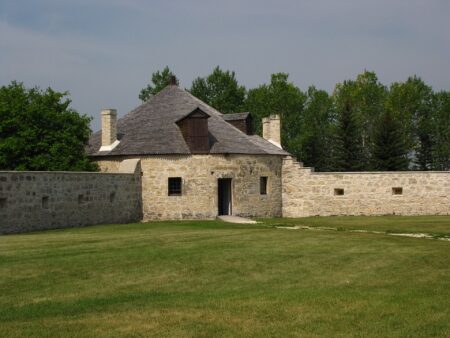
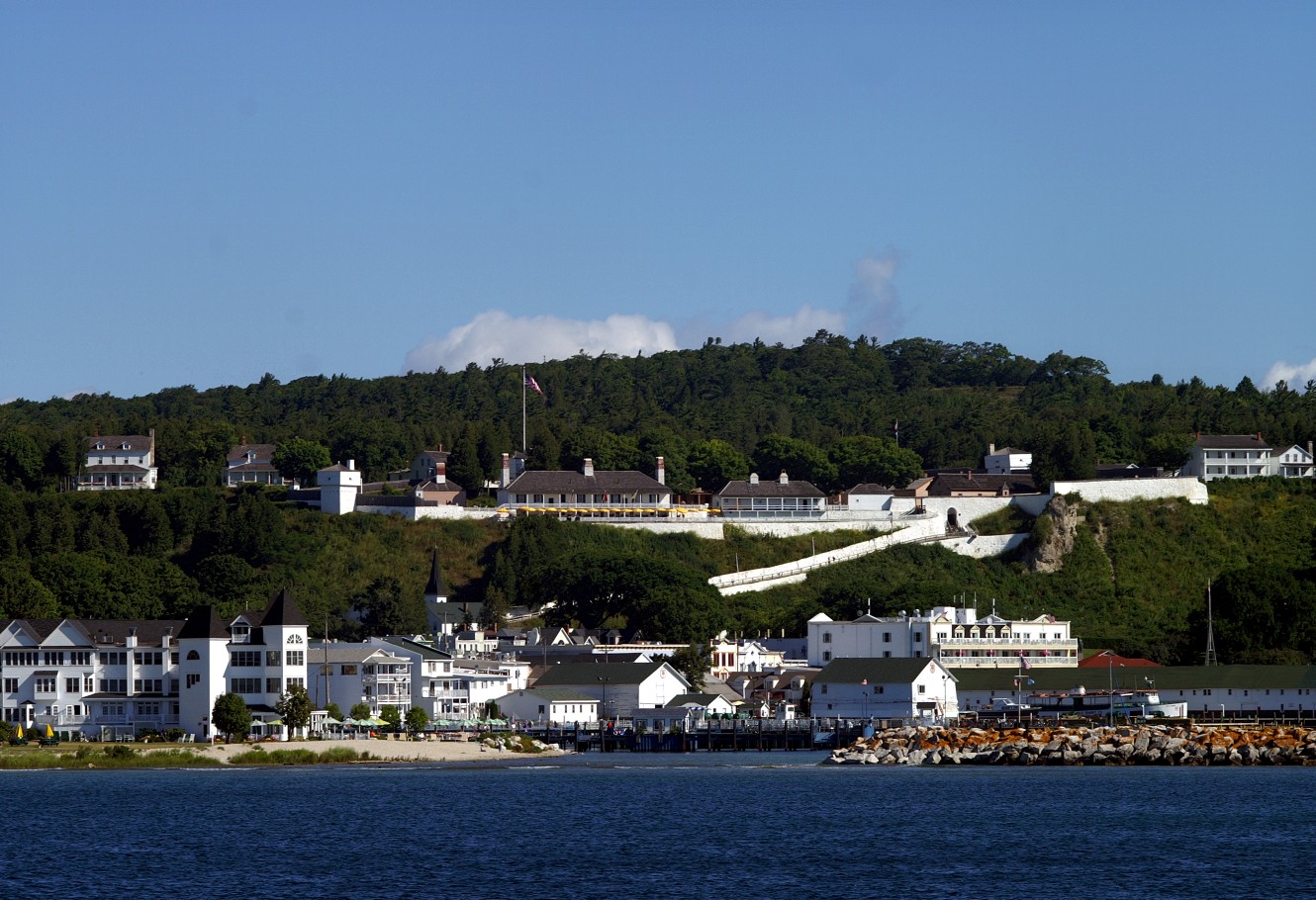
Under Article II, Britain agreed to withdraw all its troops and garrisons from posts inside the American boundary “on or before the first Day of June” 1796, the treaty text shows. Those forts had anchored the British fur trade and Britain’s alliances with First Nations south of the lakes. At Fort Mackinac, on an island between Lake Huron and Lake Michigan, the flag changed on Sept. 1, 1796, when the island formally became part of the United States, according to Mackinac State Historic Parks. British forces and the fur traders who relied on them shifted to the Canadian side.
The clause most Canadians still hear about is Article III. It said it would “at all times be free” for British subjects, American citizens “and also to the Indians dwelling on either side of the said boundary line” to pass back and forth by land or inland navigation, and it barred duties on furs and on goods Indigenous people carried for their own use, according to the treaty text. The Canadian Encyclopedia said the provision was meant to protect fur trade ties across the northern Mississippi Valley.
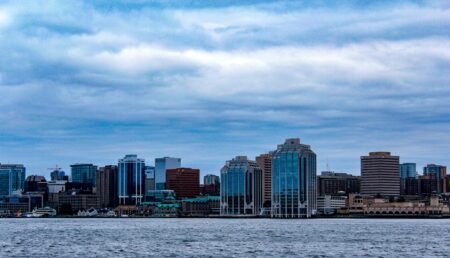
The treaty also set up the first boundary commissions between the two countries. Article V sent the dispute over which river was the true St. Croix, part of today’s line between New Brunswick and Maine, to commissioners who were to meet in Halifax and whose decision would be final. Other questions about the border waited decades, including the Convention of 1818, which set the 49th parallel on the Prairies.
More than two centuries later, the two countries read Article III differently. The United States still honours the crossing right through Section 289 of its Immigration and Nationality Act, which lets Indigenous people born in Canada live and work in the U.S. if they can show at least 50 per cent “American Indian” ancestry, Global News reported in a February 2026 explainer. The same report said U.S. officials may still ask for proof of status.
Canada has never put the treaty’s terms into its own law. In 1988, Grand Chief Michael Mitchell of Akwesasne brought goods from New York state into Canada and refused to pay duty, and the Crown claimed $361.64 in duty, taxes and penalties. On May 24, 2001, the Supreme Court of Canada ruled in Mitchell v. M.N.R. that the Aboriginal right he claimed had not been established.
The Jay Treaty also started a long habit of settling border and trade quarrels across the 49th parallel at the bargaining table, from boundary commissions in the 1790s to today’s talks on renewing the CUSMA trade deal. It was signed 232 years ago today.
If you find reporting like this useful, consider supporting Canada News Media, an independently owned Canadian newsroom.
Follow Canada News Media
Get the day's top Canadian stories and our two daily 60-second news videos wherever you scroll.
X Threads Facebook Instagram LinkedIn TikTok YouTube Pinterest Reddit Substack Flipboard Newsletter RSS