
On Nov. 15, 1976, Quebec voters elected the Parti Québécois to power for the first time, putting a government committed to Quebec sovereignty in charge of a province for the first time in Canadian history.
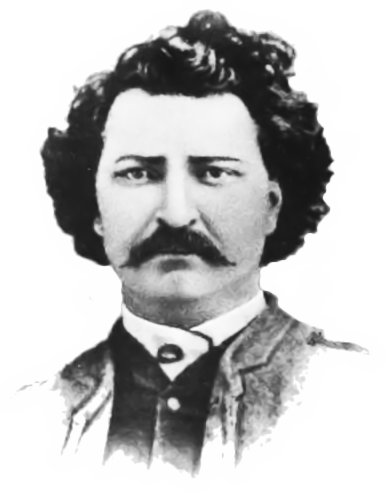
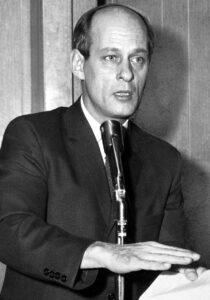
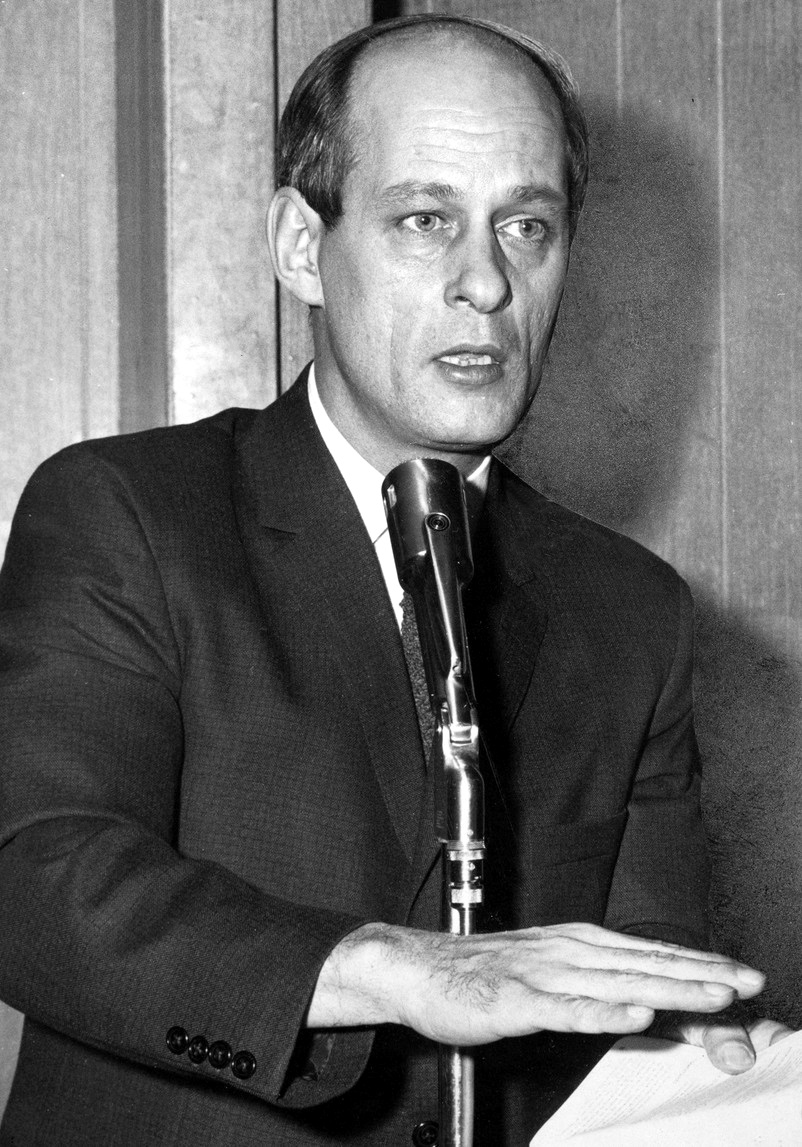
The PQ took 41.4 per cent of the popular vote and 71 seats in the 110-seat National Assembly, defeating Robert Bourassa’s Liberals, according to The Canadian Encyclopedia. Party founder René Lévesque, a former Liberal cabinet minister and television journalist, won his own seat and became Quebec’s 23rd premier.
The result was a sharp reversal. Just three years earlier, in 1973, the PQ had won 30.2 per cent of the vote but only six seats, while Bourassa’s Liberals took 102. Lévesque had failed to win his own seat in both 1970 and 1973, the encyclopedia’s biography of Lévesque notes.
The 1976 campaign turned on a strategic choice. Lévesque ran on good government against a Liberal administration that was weary after years in power and beset by scandal, and he played down independence. The encyclopedia credits strategist Claude Morin for the key promise: a PQ government would not declare sovereignty on its own, but would first hold a referendum on sovereignty-association during its first term. That reassurance let voters unhappy with Bourassa back the PQ without voting directly for separation.
“The rest of Canada was stunned,” the encyclopedia’s account of the night says. Lévesque now led the first Quebec government committed to breaking up Confederation.
His government moved quickly. It passed Bill 101, the Charter of the French Language, which became law in 1977, made French the official language of Quebec and restricted access to English schools. It also reformed automobile insurance, protected agricultural land through rezoning and banned secret political donations. The promised referendum came in May 1980, when Quebecers rejected sovereignty-association, and a second referendum in 1995 was defeated by a much narrower margin.
Nearly 50 years later, the 1976 election still shapes Quebec and federal politics. The PQ remains a force in the National Assembly, and questions about sovereignty, language and Quebec’s place in Canada continue to come up in provincial and federal campaigns, including in the three Quebec ridings voting in federal byelections on Dec. 7.
Canada News Media has more in its Canadian history series, including Newfoundland’s 1869 rejection of Confederation.
If you find reporting like this useful, consider supporting Canada News Media, an independently owned Canadian newsroom.
Sources: The Canadian Encyclopedia, “Parti Québécois” and “René Lévesque.”
Follow Canada News Media
Get the day's top Canadian stories and our two daily 60-second news videos wherever you scroll.
X Threads Facebook Instagram LinkedIn TikTok YouTube Pinterest Reddit Substack Flipboard Newsletter RSS