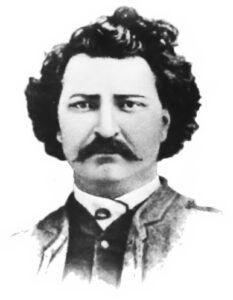


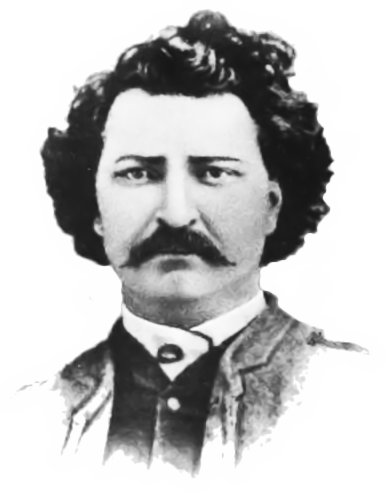
On Nov. 16, 1885, Louis Riel, the Métis leader who founded Manitoba, was hanged in Regina for high treason over his role in the North-West Resistance earlier that year.
Riel was 41. Born on Oct. 22, 1844, in Saint-Boniface in the Red River Settlement, he had led two Métis provisional governments and was central to bringing Manitoba into Confederation in 1870, according to The Canadian Encyclopedia.
After Canadian forces overwhelmed Métis fighters in the spring of 1885, Riel surrendered to the militia. A formal treason charge was laid on July 6, and his trial began in Regina on July 20. Against Riel’s wishes, his lawyers argued he was insane, pointing to time he had spent in asylums in the late 1870s. Riel wanted to argue that the Métis had acted in self-defence against the Canadian government’s encroachment on their lands. He feared, the encyclopedia says, that an insanity defence would discredit his people’s legitimate grievances.
Riel closed the trial with a speech that dismantled his own lawyers’ strategy. It showed he was sane, and it all but ensured he would hang. The jury found him guilty, with its foreman in tears, and recommended clemency. None came. Appeals to the Manitoba Court of Queen’s Bench and the Judicial Committee of the Privy Council in London were dismissed. Public pressure, especially from Quebec, delayed the execution while doctors examined his mental state. Of the three physicians, only one considered him insane.
The execution split the country along language and religious lines. Many in Ontario had long condemned Riel over the 1870 killing of Thomas Scott at Red River, while in Quebec he was widely seen as a defender of French-speaking Catholics in the West. Prime Minister John A. Macdonald’s refusal to commute the sentence fuelled lasting resentment in Quebec.
Historians’ views of Riel have shifted since. He was long dismissed as a rebel, but many now see him as a Métis leader who fought to protect his people, the encyclopedia notes. Manitoba marks Louis Riel Day each February, and the Métis Nation and governments continue to work through the questions of land, rights and self-government that drove the resistance, including the first modern treaty signed by a Métis government in 2024.
Canada News Media’s history series also covered the start of the Red River Resistance, when Métis halted a Canadian land survey in 1869.
If you find reporting like this useful, consider supporting Canada News Media, an independently owned Canadian newsroom.
Source: The Canadian Encyclopedia, “Louis Riel.”
Follow Canada News Media
Get the day's top Canadian stories and our two daily 60-second news videos wherever you scroll.
X Threads Facebook Instagram LinkedIn TikTok YouTube Pinterest Reddit Substack Flipboard Newsletter RSS