

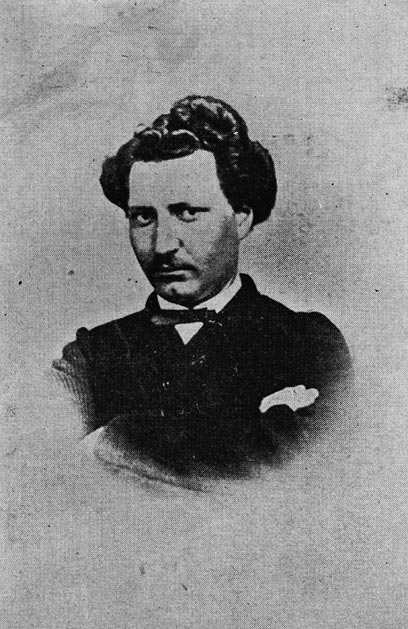
On Oct. 11, 1869, a party of unarmed Métis riders led by Louis Riel stopped a Canadian government survey crew from measuring land near what is now Winnipeg, the first public act of the Red River Resistance.
The Manitoba Historical Society said nineteen Métis confronted the crew, which was marking a base line across Métis river lots for the first township north of Ste. Anne. The surveyors were forced to withdraw. A provincial plaque in Whyte Ridge Park in Winnipeg marks the area.
The Indigenous Peoples Atlas of Canada said Métis landowner Édouard Marion found surveyors on his land that day and summoned his neighbours and Riel. Accounts of the standoff often describe the Métis stepping on the surveyors’ measuring chain so it could not be stretched. The sources consulted here do not agree on every detail, such as the precise number of riders, but they agree on the date and on who stopped the work.
The confrontation followed the sale of Rupert’s Land. The Hudson’s Bay Company had agreed to transfer its vast territory to the new Dominion of Canada, and Ottawa moved to survey the Red River settlement in advance of the transfer. The residents, most of them Métis and other French- and English-speaking people of mixed ancestry, had not been consulted. Many feared their long-established river lots would not be recognized.
The Métis action served notice that Red River residents would not accept Canadian rule before being consulted, the Manitoba Historical Society said.
Events moved quickly. The Indigenous Peoples Atlas of Canada said the Métis formed a National Committee on Oct. 16, 1869, with John Bruce as president and Riel as secretary. The Manitoba Historical Society gives the date of the public meeting that elected the committee as Oct. 19, so sources differ by a few days. On Nov. 2, 1869, the Métis took Upper Fort Garry, the Hudson’s Bay Company’s administrative centre, without bloodshed. Wikipedia’s account of the period adds that Métis under Ambroise-Dydime Lépine turned back the incoming lieutenant-governor, William McDougall, at the American border the same day.
A provisional government followed. Delegates negotiated with Ottawa, and the Convention of Forty drafted a list of rights in early 1870. The Manitoba Act became law on May 12, 1870, and Manitoba entered Confederation as the fifth province on July 15, 1870, the Indigenous Peoples Atlas of Canada said.
The Act protected French and English language rights, separate Catholic and Protestant schools, and existing land holdings. It also set aside 1.4 million acres for the children of Métis heads of families. How that land was actually distributed has been disputed for generations, and many Métis families ended up with nothing. In 2013, the Supreme Court of Canada ruled in Manitoba Métis Federation v. Canada that the federal government had failed to honour the promise in the Act.
The resistance also carried a human cost. Thomas Scott, an Ontario-born Orangeman held at Fort Garry, was executed by firing squad on March 4, 1870, after being tried by the provisional government. His death inflamed opinion in Ontario and shaped the military expedition sent west that summer. Riel fled to the United States and was later hanged for treason in 1885 after the North-West Resistance.
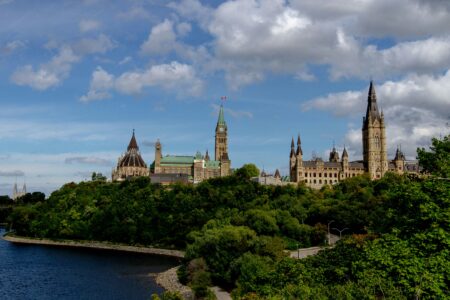
The standoff on Oct. 11 is remembered in Manitoba as the moment the Red River community first acted collectively. It is part of why Manitoba entered Confederation with guarantees for language, religion and land that most other provinces did not receive at the outset, and why Riel is widely remembered as a founder of the province.
Sources: the Manitoba Historical Society, the Manitoba Historical Society’s Red River Resistance page, the Indigenous Peoples Atlas of Canada and Wikipedia.
If you find reporting like this useful, consider supporting Canada News Media, an independent Canadian newsroom with no corporate parent.
Follow Canada News Media
Get the day's top Canadian stories and our two daily 60-second news videos wherever you scroll.