




Breaking News:
- LNG Canada Approves $33B Kitimat Expansion
- Obby Khan Quits as Manitoba PC Leader After Caucus Revolt
- Nugent-Hopkins Out for Oilers Opener vs. Canucks
- Ontario Now Has Over Half of Canada’s Mortgage Arrears
- Carney Laughs Off Navarro’s ‘Get the Hell Out’ Jab
- How Older Canadians Can Cut Their Risk of a Serious Fall
- Ottawa’s $1.2B Ocean Plan Lands Days Before Pipeline Call
- Eby’s Unsold Condo Tax Targets 5,000 Empty Vancouver Units

Author: Harry Miller

Harry Miller
Harry Miller is a writer and editor based in Toronto who has Ten years of experience in the journalism industry. Before coming to Canada News Media as a National Online Journalist, Miller worked as a senior writer and a reporter-editor with the Canadian Press and a breaking news reporter with the Toronto Star. Miller currently holds two bachelor’s degrees, one in journalism from Ryerson University and another in communications and film studies from Carleton University.

A step-by-step guide to finding and sealing drafts around windows, doors and outlets before winter, using tips from BC Hydro and Save on Energy.
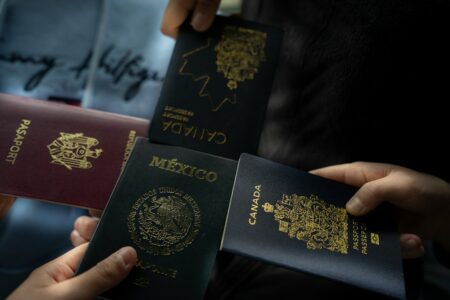
A US court ruling lets border agents search phones without cause, while Canadian law still requires some suspicion for the same kind of search at home.

Elections Alberta says 673,000 people requested mail-in ballots for the Oct. 19 referendum by Friday’s deadline, more than 10 times the 2023 election total.

Court filings show the Belleville synagogue shooter sued the military for $1 million over his COVID-19 vaccine discharge before the deadly attack.

Ottawa’s first-ever First Nations-only first ministers meeting set for Oct. 26 pairs faster pipeline approvals with a chiefs’ push for real consent power.

Canada’s foreign buyer ban lapses Jan. 1, 2027, with no replacement named. Data cited by a national law firm show its price impact was already small.

On Sept. 25, 1956, Clarenville, N.L., became the Canadian landing point for TAT-1, the first transatlantic telephone cable linking North America and Europe.

Montreal startup Axya raised $17M CAD to automate manufacturing procurement, as Canadian capital pours into industrial AI amid a sourcing tech gap.

DeBrincat scored in overtime for Detroit, Nichushkin found the net in his Blue Jackets debut and Carolina rallied from four down in Thursday’s preseason slate.

Isaac Howard and Quinn Hutson scored as Edmonton’s prospect-heavy lineup beat Vancouver 2-1 in preseason play Thursday, pushing the Oilers to 3-0-0.