


Breaking News:
- Romero, Correia give Sevilla 2-0 win over Osasuna
- Mayulu, Godts give PSG 2-0 win over Lyon
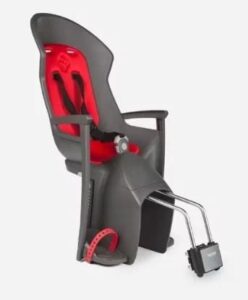
- Décathlon recalls 3,218 Hamax Buddy child bike seats
- Home Hardware recalls 37,667 Benchmark snow throwers
- Feist, Wainwright join Leonard Cohen tribute in Toronto
- Israel turnout hits 44.9% by 2 p.m., a record for the hour
- How to vote in Winnipeg’s Oct. 28 election: hours and ID
- Bell sells 49.9% of new tower company to La Caisse


Browsing: DIY & How-To
Step-by-step practical guides for Canadian homeowners, gardeners, and families.

Thanksgiving is Oct. 12. Allow 10 hours per kilogram to thaw a frozen turkey in the fridge, or two hours per kilogram in cold water, then cook within 48 hours.
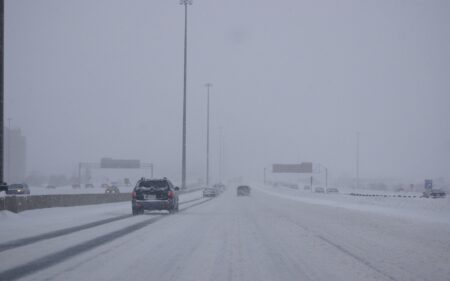
Quebec requires winter tires Dec. 1 to March 15 ($200 to $300 fines). B.C. requires winter tires or chains on most highways from Oct. 1 ($121 fine). Rules by province.

Insulate drafty windows this fall with a shrink-film kit. Here are six steps, the supplies you need and the safety rules to follow, including emergency exits.
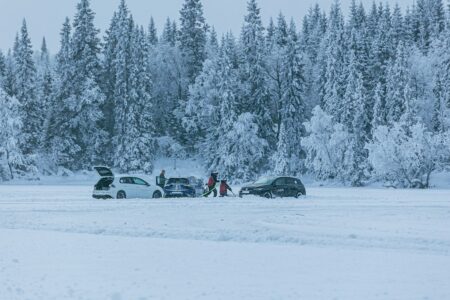
A weak battery often fails in the first cold snap. Here is how to jump-start a car safely in Canadian winter weather, in order, and when to call roadside help.

Switch your ceiling fan to clockwise on low speed for winter. Here is how to find the reversing switch, check the direction and why it can help with heating.
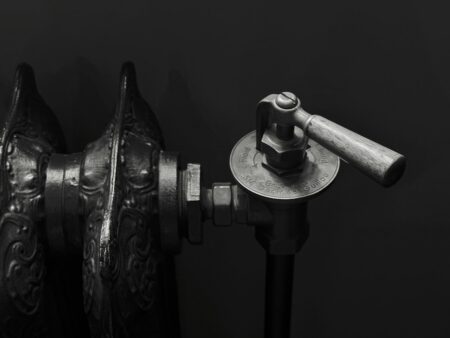
Cold spots on your radiator? Here is how to bleed trapped air from a hot-water radiator safely before the heating season, and when to call a pro.
Switch off the furnace, match the filter size and fit the new one with its arrow pointing toward the blower. Here is how to change a furnace filter this fall.

Shut the interior valve, drain the line and remove your hoses before the first hard freeze. Here is how to winterize outdoor faucets in Canada, step by step.

Plant tulips, daffodils and crocuses this fall once soil cools but before it freezes, about three times as deep as each bulb is tall, for spring colour.

Keurig’s K-Mini Go is a top-10 Amazon.ca Home best seller. We break down the specs, the $64.99 deal and what verified buyers say, good and bad.