

Flávio Bolsonaro, a right-wing senator, won 47.03 per cent of valid votes in Brazil’s presidential first round on Oct. 4, 2026, ahead of President Luiz Inácio Lula da Silva at 45.16 per cent, setting up a runoff on Oct. 25.
The 1.87-percentage-point gap, about 2.2 million votes, is the first time Lula has lost a first round since 1998, and it beat the pre-election polls. Datafolha’s final survey, published Oct. 3, had Lula at 45 per cent and Flávio Bolsonaro at 42 per cent of valid votes, the Rio Times reported.
Flávio Bolsonaro, 45, is the son of former president Jair Bolsonaro, who is serving a 27-year sentence for plotting a coup after losing the 2022 election, Al Jazeera reported. Lula, 80, is seeking a fourth non-consecutive term. He beat Jair Bolsonaro by 1.8 percentage points in 2022.
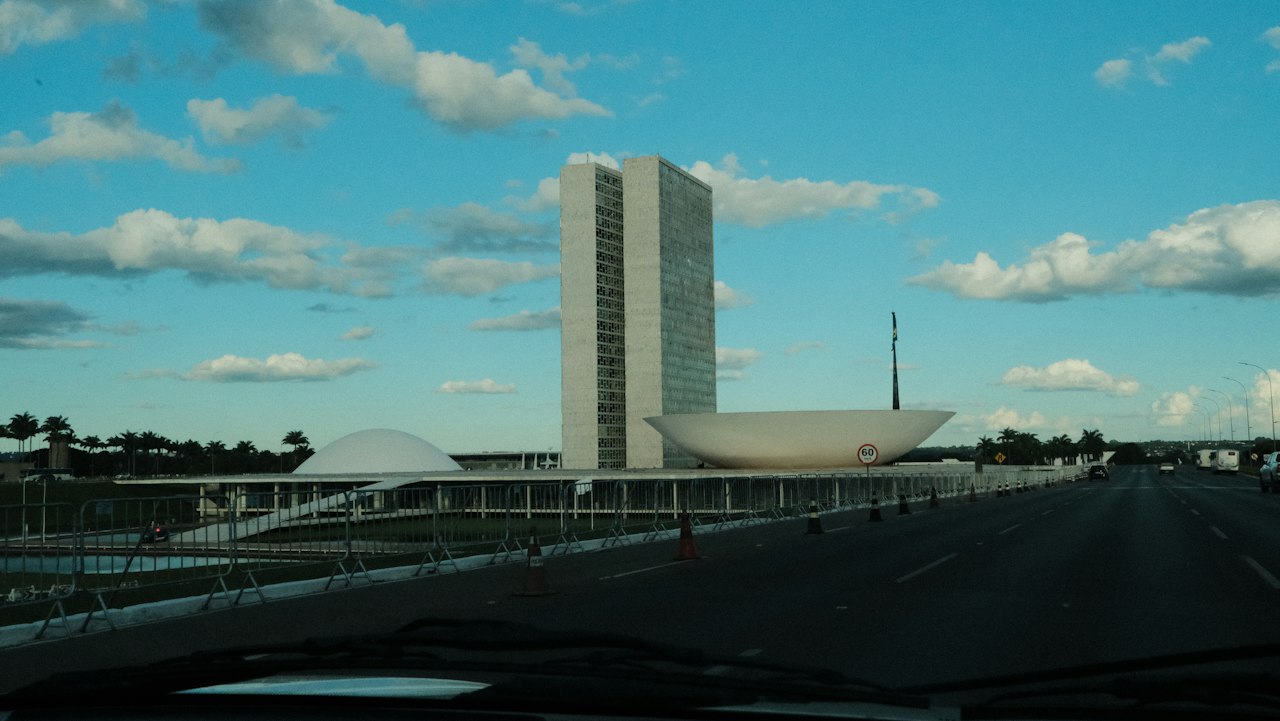
“Brazil wants change, and I am very happy with the results,” Flávio Bolsonaro told reporters in Brasília on Sunday, according to Al Jazeera.
The right also gained in Congress. Bolsonaro’s Liberal Party won 121 of the 513 seats in the Chamber of Deputies and now holds 28 of 81 Senate seats, the largest bloc in both houses, Americas Quarterly reported. Abstention was 21.08 per cent, the highest since 1998.
Brian Winter, editor-in-chief of Americas Quarterly, said Flávio Bolsonaro “will be the next president of Brazil unless the so-called ‘bomba’ is real.” Oliver Stuenkel, a professor at the Fundação Getulio Vargas in São Paulo, told Al Jazeera that “unless something very unusual happens in the next three weeks, Flavio Bolsonaro is set to win.” Stuenkel noted that the candidates who placed third through 11th are mostly centre-right, so their voters are unlikely to back Lula.
Romeu Zema, a first-round candidate who took 0.27 per cent, said on Oct. 5 he would vote for Flávio Bolsonaro, the Rio Times reported. U.S. President Donald Trump called the result “a big victory” the same day, without naming either candidate. Lula has accused the Trump administration of using tariffs to interfere in Brazilian affairs, Al Jazeera reported.
Markets responded quickly. The Ibovespa stock index closed at a record 206,911.89 on Oct. 5, up 7.7 per cent, and the dollar fell 4.6 per cent to 4.9859 reais, according to the Rio Times. Winter said the main vulnerability is a budget deficit near 10 per cent of GDP in recent months. Alessandra Ribeiro of Tendências Consultoria said Flávio Bolsonaro’s fiscal promises are ambitious and the risk of disappointment is significant.
Flávio Bolsonaro has pledged to seek a congressional amnesty for his father, which would need approval in both houses, Al Jazeera reported.
For Canada, Brazil is a modest but growing trade partner and a large investment destination. Two-way merchandise trade reached $14.7 billion in 2025, up 16 per cent, according to Global Affairs Canada. Canada exported $3.1 billion to Brazil and imported $11.6 billion. Canadian direct investment in Brazil stood at $24.6 billion, up 25 per cent from 2024. Global Affairs lists mining, oil and gas, agriculture, aerospace and clean technology among the sectors it promotes there.
About 71,755 people in Canada reported Brazilian origins in the latest census, Global Affairs said, and 5,680 Brazilian students held study permits of six months or more at the end of 2025.
The first television debate of the runoff is scheduled for Oct. 11. Voting on Oct. 25 runs from 8 a.m. to 5 p.m. Brasília time, and the winner is to be inaugurated on Jan. 5, 2027, the Rio Times reported. New polls from Datafolha and PoderData were due Oct. 8, and AtlasIntel on Oct. 9.
If you find reporting like this useful, consider supporting Canada News Media, an independent Canadian newsroom with no corporate parent.
Via Al Jazeera, Americas Quarterly and the Rio Times. First-round percentages match across all three outlets.