


Updated Nov. 16, 2026
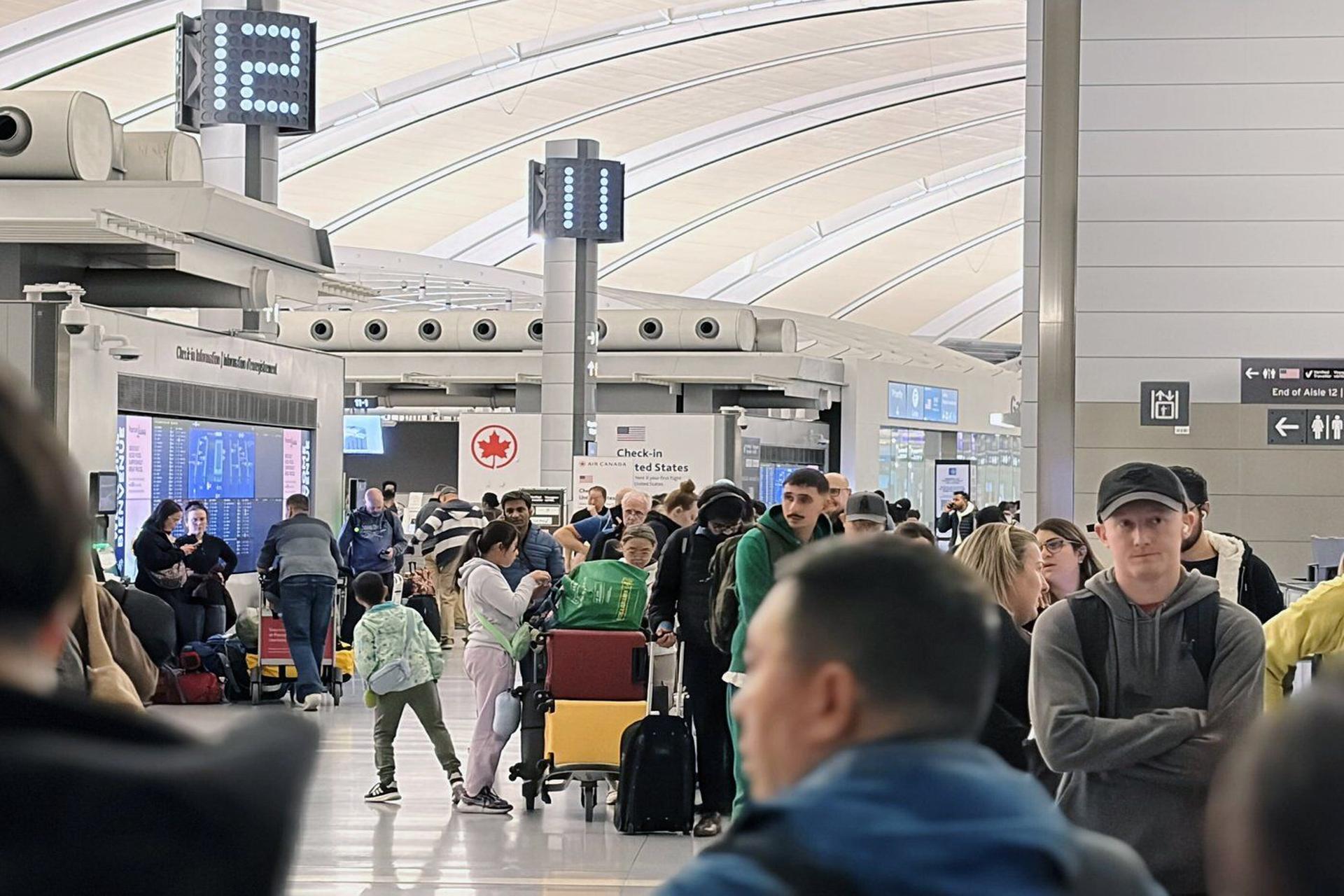
For holiday travel in Canada in 2026, get to the airport at least two hours before a domestic flight and three hours before a U.S. or international flight, and leave gifts unwrapped, the Canadian Air Transport Security Authority says. Residents coming home after 48 hours away can bring back up to CAN$800 in goods duty free, according to the Canada Border Services Agency.
Those are the rules most likely to slow you down between mid-December and early January, when airports and border crossings handle their heaviest traffic of the winter. This guide sets out what CATSA, the CBSA, Global Affairs Canada and the federal air passenger rules say, with links to each source.
Key facts
| Question | Answer | Source |
|---|---|---|
| When to arrive for a flight | At least 2 hours before a domestic flight, 3 hours before a U.S. or international flight | CATSA |
| Liquids in carry-on bags | Containers of 100 ml or less, all in one clear, resealable 1 L bag | CATSA |
| Wrapped gifts | Not recommended; officers may need to open them | CATSA, CBSA |
| Duty-free limit, 24 hours or more away | Up to CAN$200, no alcohol or tobacco | CBSA |
| Duty-free limit, 48 hours or more away | Up to CAN$800, including set amounts of alcohol and tobacco | CBSA |
| Alcohol allowance | One of: 1.5 L of wine, 1.14 L of spirits or 8.5 L of beer | CBSA |
| Delay compensation, large airline | $400, $700 or $1,000, depending on length of delay, when the delay is within the airline’s control | Air Passenger Protection Regulations |
Busiest holiday travel days
Airports and airlines had not published their 2026 holiday forecasts as of Nov. 16. Last season gives a guide to the pattern. Air Canada said in a Dec. 18, 2025 release that it expected more than 2.3 million customers between Dec. 18 and Jan. 4, close to 130,000 a day and more than 140,000 during peak periods.
Toronto Pearson expected as many as 171,000 people on its peak days through Jan. 5, insauga.com reported last December. In Alberta, up to 65,000 passengers a day were expected at Calgary’s airport over the Dec. 19 to 21 weekend, Global News reported. The Friday and weekend before Christmas and the days after New Year’s Day are typically the crunch points, so book and check in early if your dates fall there.
If you are sending gifts rather than carrying them, our guide to Canada Post Christmas mailing deadlines for 2026 has the cut-off dates.
Airport security and wrapped gifts
CATSA’s holiday screening guide says wrapped gifts can slow down screening because officers may need to open them. It suggests using gift bags or wrapping presents once you arrive.
The liquids rule applies to holiday food. Each container in your carry-on must be 100 ml or less, and all of them must fit in one clear, resealable one-litre bag. CATSA says favourites such as gravy and jam fall under that rule, and it suggests packing cranberry sauce in checked baggage or keeping portions small.
Duty-free limits when you come home
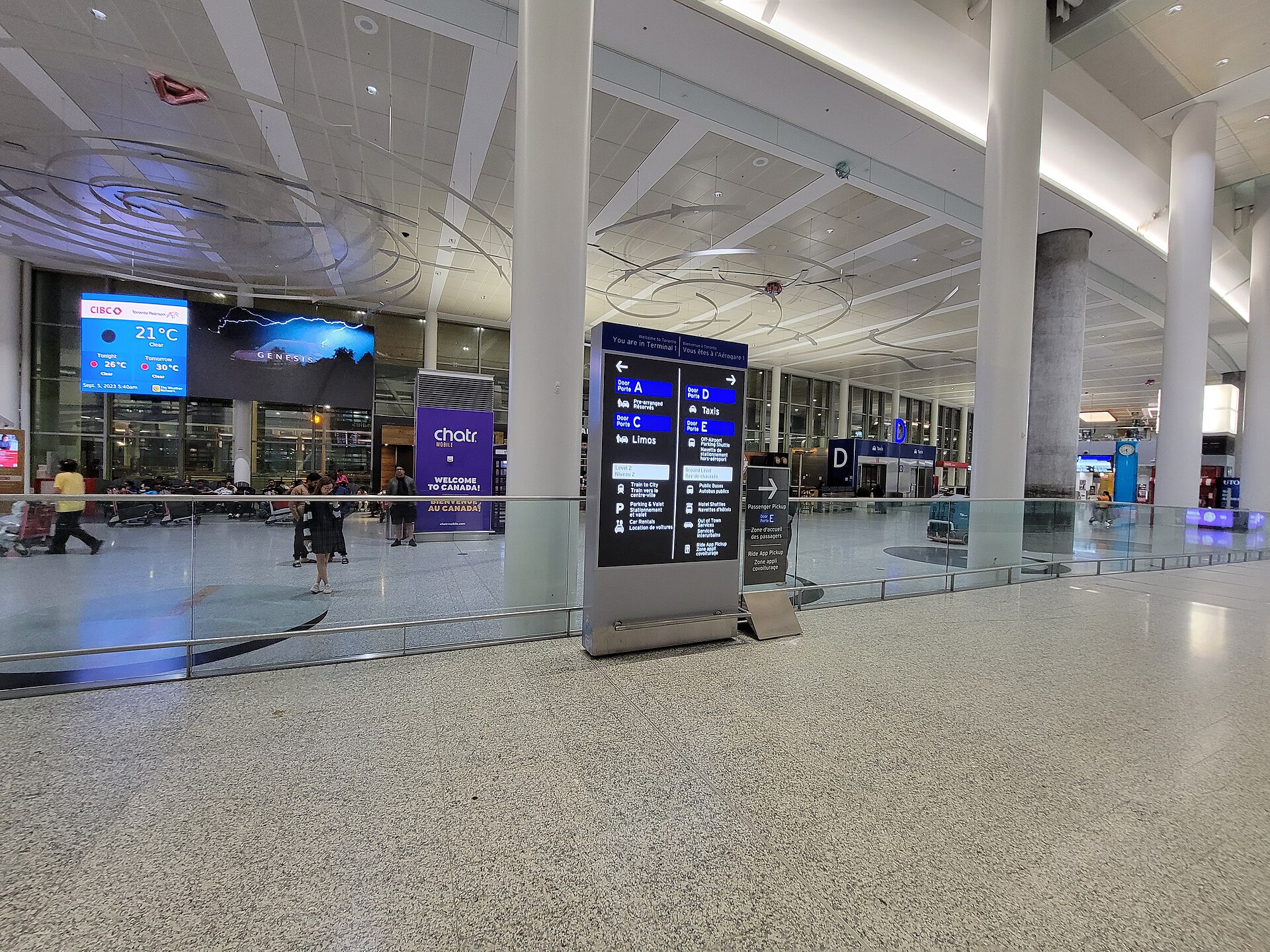
The CBSA’s personal exemption rules depend on how long you were away. After more than 24 hours, you can claim goods worth up to CAN$200, but not alcohol or tobacco. After more than 48 hours, the limit is CAN$800, and the goods must be with you. After seven days or more, the limit is still CAN$800, but goods other than alcohol and tobacco may follow you by mail or courier.
Exemptions are personal. The CBSA says you cannot combine yours with another person’s or transfer them to someone else, so a family cannot pool its allowances on one expensive purchase.
After 48 hours or more, you may bring in one of these amounts of alcohol free of duty and taxes: up to 1.5 litres of wine, up to 1.14 litres of spirits or up to 8.5 litres of beer or ale. You must be of legal age where you enter Canada, which is 18 in Alberta, Manitoba and Quebec and 19 in the other provinces and territories. The tobacco allowance is 200 cigarettes, 50 cigars, 200 grams of manufactured tobacco and 200 tobacco sticks.
Gifts mailed to Canada from abroad are duty and tax free only if each is worth CAN$60 or less and is not alcohol, tobacco or advertising material. Visitors bringing gifts follow the same $60 line, and the CBSA’s visitor guidance says a gift worth $200 is charged duty and taxes on $140. It also says: “Do not wrap your gifts in case border services officers need to inspect the contents.”
Driving across the border
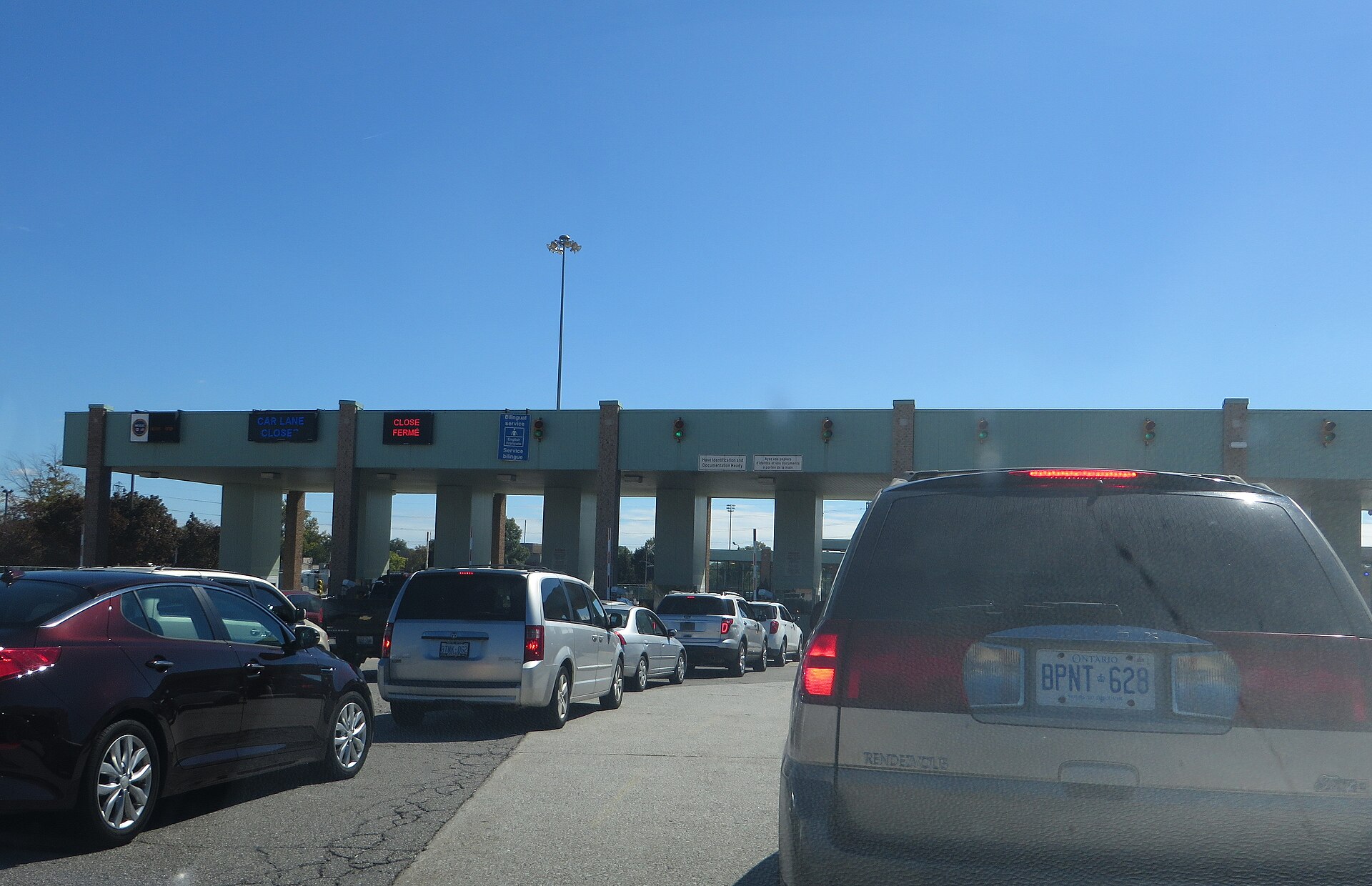
In its holiday travel tips last December, the CBSA said early mornings are the best time to cross to avoid waits. Its border wait times page shows current estimates for the 30 busiest land crossings, and it warns of extended delays at Saint-Bernard-de-Lacolle, Que., while redevelopment work continues into winter 2027.
Check the tire rules for the provinces you will drive through as well. Quebec requires winter tires from Dec. 1, and our guide to winter tire laws in Canada by province covers the rest.
Travelling to the United States
Global Affairs Canada’s U.S. travel advice, last updated Nov. 13, 2026, rates the country at its lowest risk level: take normal security precautions. It says Canadians visiting for more than 30 days must register with U.S. authorities, and that not doing so could result in penalties, fines and misdemeanour prosecution. It also notes that most U.S. ports of entry use facial recognition technology and that digital fingerprints are required for some travellers.
The same page says Canadian citizens, including dual citizens, travelling on a Canadian passport are not subject to the entry limitations in the U.S. proclamation that took effect Jan. 1, 2026.
Health coverage is the other gap. The federal travel insurance page warns that hospitals abroad can be very expensive and may require immediate cash payment, that the Government of Canada will not pay your medical bills, and that a provincial plan may cover none or only a small part of the costs. The free Registration of Canadians Abroad service lets the government reach you in an emergency.
If your flight is delayed or cancelled
Under the federal Air Passenger Protection Regulations, a large airline owes compensation when a delay is within its control and not required for safety. The amounts are $400 for an arrival three to less than six hours late, $700 for six to less than nine hours and $1,000 for nine hours or more. Small airlines owe $125, $250 and $500 for the same bands.
Changes are pending. Proposed amendments to the regulations had not been finalized as of this spring, CP24 reported in April. Transport Canada said on May 1, 2026 that it plans to send complaints to a neutral third-party dispute resolution body and to allow fines of up to $1 million for systemic violations. Check the rules in force on your travel date.
Flying home from abroad, you can also save time at the airport with the Advance CBSA Declaration, which the agency’s ArriveCAN page says can be submitted up to 72 hours before your flight at participating airports, including Vancouver, Toronto Pearson, Montreal, Calgary, Edmonton, Winnipeg, Ottawa, Quebec City and Halifax.
Planning a trip inside Canada instead? See our guide to winter getaways in Canada for Christmas and New Year’s, and check what is open on Christmas Day where you are going.
When should I get to the airport for a holiday flight in Canada? CATSA advises arriving at least two hours before a domestic flight and three hours before a flight to the U.S. or another country. Allow more time on the Friday and weekend before Christmas, which are among the busiest days of the season.
Can I bring wrapped gifts on a plane in Canada? You can, but CATSA says wrapped gifts can slow screening because officers may need to open them. Use gift bags or wrap presents when you arrive.
How much can I bring back to Canada duty free over the holidays? The CBSA allows CAN$200 in goods after more than 24 hours away, with no alcohol or tobacco, and CAN$800 after more than 48 hours. Each person’s exemption is their own and cannot be combined with someone else’s.
Do I get compensation if my holiday flight is delayed? Under the Air Passenger Protection Regulations, a large airline owes $400 to $1,000 when a delay of three hours or more is within its control and not required for safety. Weather delays are outside the airline’s control and do not qualify for compensation.
Do Canadians need to register to visit the U.S. over Christmas? Only for stays longer than 30 days, according to Global Affairs Canada’s travel advice for the United States. Shorter holiday trips do not require registration.
If you find reporting like this useful, consider supporting Canada News Media, an independently owned Canadian newsroom.
Sources: Canadian Air Transport Security Authority; Canada Border Services Agency; Global Affairs Canada (travel.gc.ca); Air Passenger Protection Regulations (SOR/2019-150); Transport Canada; Air Canada. Rules and limits were checked on Nov. 16, 2026.
Follow Canada News Media
Get the day's top Canadian stories and our two daily 60-second news videos wherever you scroll.
X Threads Facebook Instagram LinkedIn TikTok YouTube Pinterest Reddit Substack Flipboard Newsletter RSS