
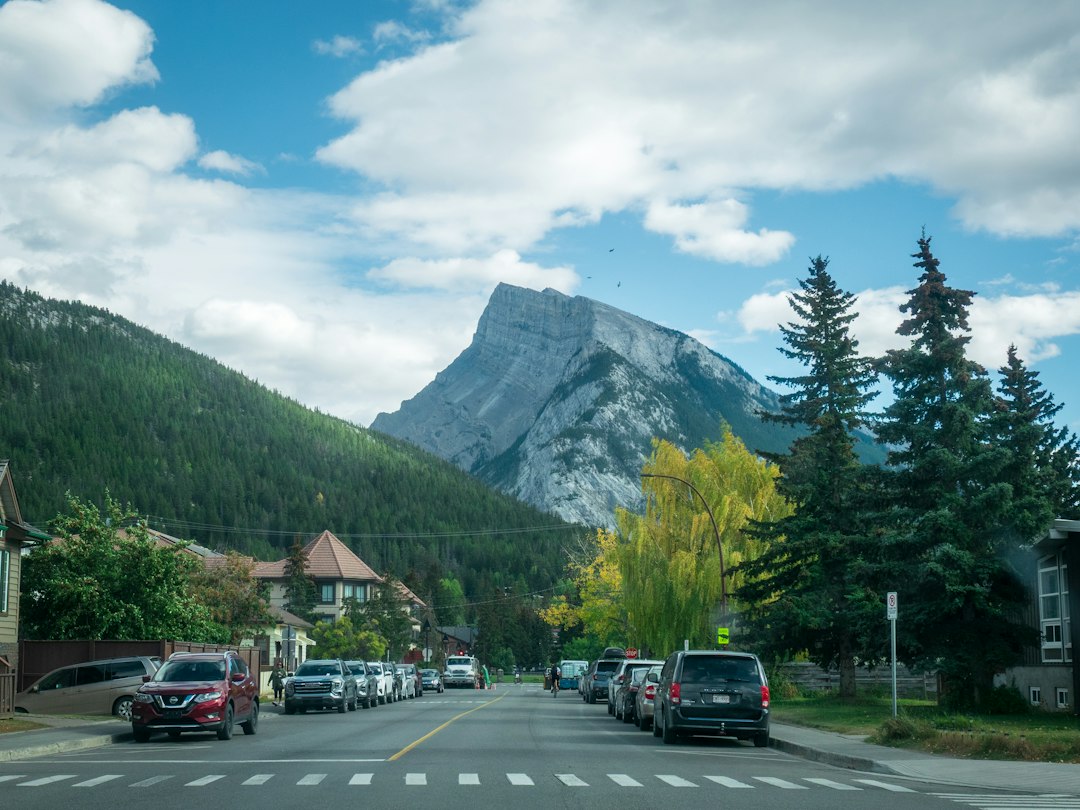
COLEMAN, Alta. Constable Stephen Oldacres Lawson of the Alberta Provincial Police was shot to death outside his own detachment in this Crowsnest Pass mining town on Sept. 21, 1922, a killing that set in motion the only hanging of a woman in Alberta’s history, according to the Dictionary of Canadian Biography.
The shooting grew directly out of Alberta’s prohibition-era liquor wars. The province had banned the sale of alcohol in 1916, and Emilio Picariello, an Italian immigrant who had arrived in the Crowsnest Pass running legitimate businesses, became what the Legal Archives Society of Alberta calls “Alberta’s most famous bootlegger.”
On the afternoon of Sept. 21, Lawson and other provincial police pursued a car driven by Picariello’s teenage son, Stefano, suspected of running liquor, and Lawson fired at the vehicle, wounding the young man in the hand, the Dictionary of Canadian Biography says. Believing his son had been killed, Picariello drove to the Coleman police barracks that evening with a family friend, Florence Lassandro, a young woman born Filomena Costanzo who had married into the bootlegging trade. A confrontation with Lawson followed, and the constable was shot in the back and killed. To this day it has never been established who actually fired the fatal shot, according to a review in Alberta Views of a 2016 book on the case; Lawson was the third Alberta police officer to die enforcing prohibition in three years, the Edmonton Journal reported in a retrospective on the case.
Picariello and Lassandro fled and were arrested the next day in nearby Blairmore. Both were tried jointly for murder before Justice William Legh Walsh at the Supreme Court of Alberta in Calgary, in a trial that ran from Nov. 27 to Dec. 3, 1922, the Legal Archives Society of Alberta says. The jury convicted both, and Walsh imposed the mandatory death sentence. Appeals to the Appellate Division of the Alberta Supreme Court and then to the Supreme Court of Canada both failed, the latter dismissed on April 11, 1923, and a final plea for clemency to Prime Minister Mackenzie King’s government was also turned down, the Edmonton Journal reported.
Picariello and Lassandro were hanged within minutes of each other on the morning of May 2, 1923, at the Fort Saskatchewan Gaol. Picariello, 47, went to the gallows first, at 5:15 a.m., and was pronounced dead 20 minutes later; Lassandro followed at 5:51 a.m., the Edmonton Journal reported. She was 23. Newspaper accounts of her final words vary: the Edmonton Journal quoted her as saying she would go to the scaffold “like a soldier,” while other retellings of the case give a different last statement. Both were buried in an unmarked grave in north Edmonton, according to the same report. Lassandro remains, by multiple accounts including the Legal Archives Society of Alberta, the only woman ever executed in Alberta and one of only a handful of women hanged anywhere in Canada.
The case did not fade quietly. Public sympathy for Picariello and Lassandro, and lingering doubt over who had actually killed Lawson, fed a broader backlash against the Alberta Provincial Police and against prohibition itself. A 2016 book on the affair, reviewed in Alberta Views, argues the case “contributed to the repeal of prohibition.” Alberta voters went to the polls on Nov. 5, 1923, and voted decisively, 57.7 per cent to 38 per cent, to replace prohibition with government-controlled liquor sales, according to a summary of that plebiscite’s results.
The story has endured well beyond Alberta legal history. In 2003, Calgary Opera premiered “Filumena,” a work by composer John Estacio and librettist John Murrell built around Lassandro’s life and death, according to The Canadian Encyclopedia. The opera, conducted by Bramwell Tovey at Calgary’s Jubilee Auditorium, drew what one reviewer at the time called the longest ovation in a quarter-century of Calgary Opera productions.
Follow Canada News Media
Get the day's top Canadian stories and our two daily 60-second news videos wherever you scroll.
X Threads Facebook Instagram LinkedIn TikTok YouTube Pinterest Reddit Substack Flipboard Newsletter RSS