

The Rural Municipality of Sherwood unanimously approved the final bylaws Thursday that rezone 895 acres of farmland for Bell Canada’s planned expansion of its artificial intelligence data centre south of Regina, clearing the last municipal land-use step for the project.
Council changed the land from agricultural to light industrial use and amended the municipality’s Official Community Plan, according to 620 CKRM and the Regina Leader-Post. It also adopted an amendment to the development and servicing agreement approved in April, which now covers Bell’s plan for as many as nine more data halls.
Coun. Kevin Chekay recused himself and left the room because he owns some of the land Bell wants to buy. The vote came after a public hearing at which more than a dozen people spoke, the Leader-Post reported. Almost all raised concerns about the size of the project, its closeness to Regina, environmental effects and how open the process has been.
Delegates also noted that two First Nations, Standing Buffalo Dakota Nation and Carry the Kettle First Nation, have called on Bell and the province to consult them. Both nations pressed Bell on the project last month.
Dan Rink, president of Bell AI Fabric, told reporters the company has been open with residents and that the facilities are designed to be “a good neighbour.” He said Bell owns and operates the campus on its own network under Canadian law, in response to questions about American tenants Cerebras and CoreWeave.
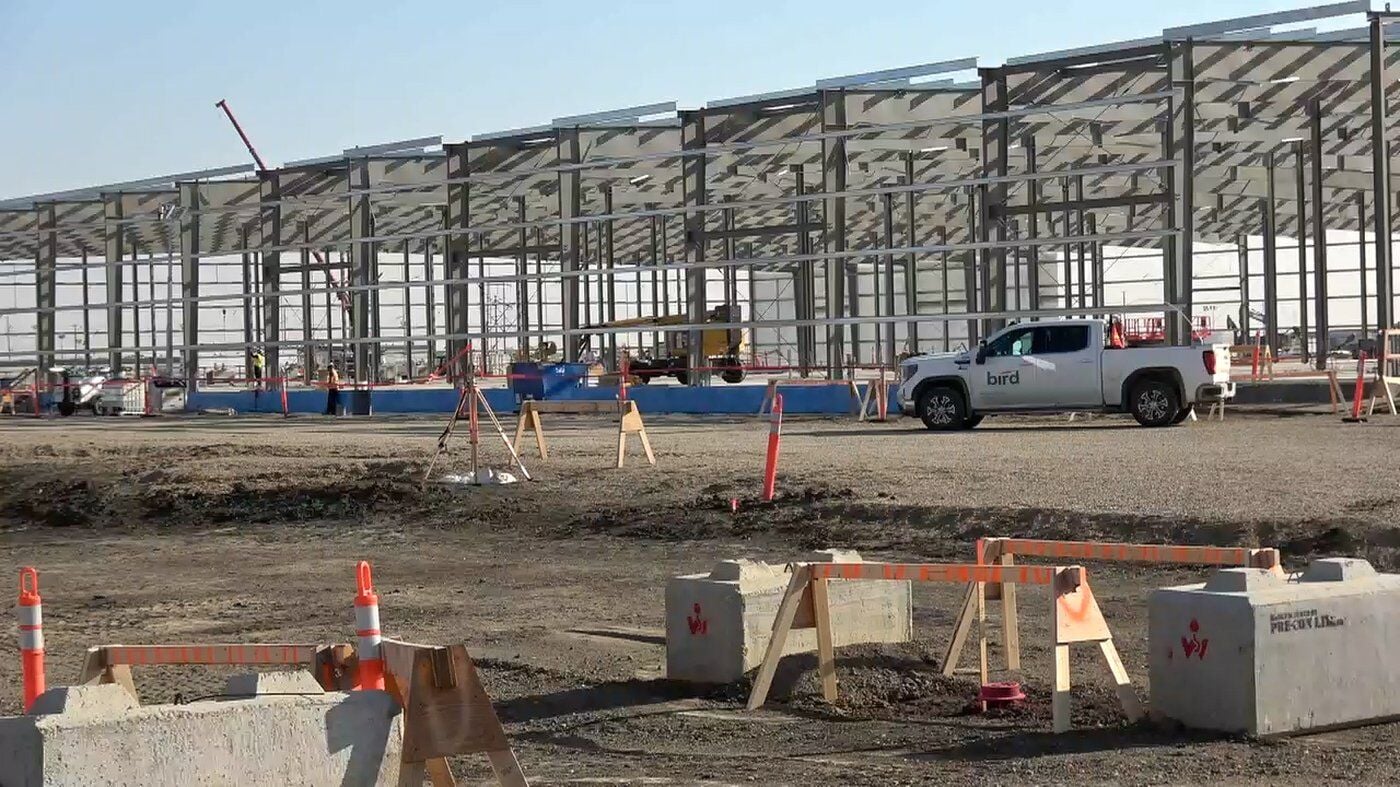
Rink said the expansion needs no further approvals from the municipality, but Bell must still complete a provincial environmental impact assessment. Bell has also said work will not start until a commercial tenant agreement is signed. The company has said the expanded campus, which would reach about 1,055 acres and 1.2 gigawatts, could start building in phases as early as 2027.
Bell put the property tax payable to the municipality at $8 million a year once the campus is fully developed. Rink also cited $3 billion in provincial sales tax on construction. Bell has said the project would create more than 1,200 construction jobs and between 280 and 500 permanent positions, and that it is not seeking provincial or municipal subsidies. Added power would come from dedicated generation rather than the provincial grid.
The timing drew political criticism. Four of the council’s members were appointed by the province in April, after the previous reeve and three councillors resigned and left council without a quorum, shortly before the first phase of the project was approved. The Saskatchewan NDP questioned why the expansion was decided by a largely appointed council days before the Nov. 9 municipal election.
Appointed Coun. Mitch Huber rejected any link. “Never once have I been prompted or suggested that we had to do anything,” he said, adding that councillors were appointed for their municipal experience.
Bell first filed the rezoning plan in early October, and has described the broader plan as part of an effort to add up to 900 megawatts of AI capacity in the province, a deal that was non-binding when announced in September. The first data halls on the existing campus are still expected to open in the first half of 2027, as construction continues.
If you find reporting like this useful, consider supporting Canada News Media, an independent Canadian newsroom with no corporate parent.
Sources: 620 CKRM; Regina Leader-Post.
Follow Canada News Media
Get the day's top Canadian stories and our two daily 60-second news videos wherever you scroll.
X Threads Facebook Instagram LinkedIn TikTok YouTube Pinterest Reddit Substack Flipboard Newsletter RSS