
U.S. authorities said Wednesday they intercepted 90 shipments of biodiesel worth nearly $3 million at ports in Florida and Texas that were bound for a Havana fuel wholesaler sanctioned by Washington, tightening the energy blockade on Cuba.
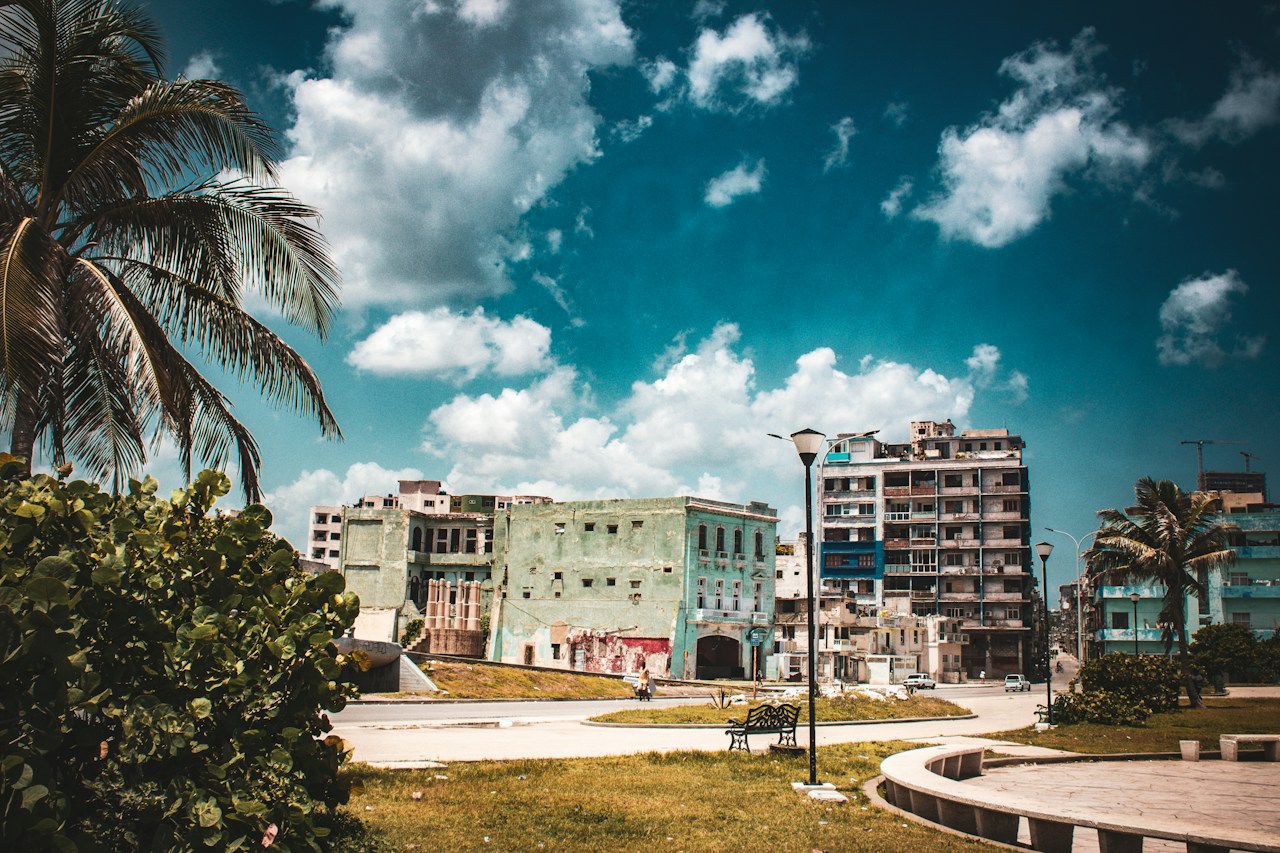
The seizures total more than 600,000 gallons of fuel, about 2.3 million litres, according to figures reported by CBS News and WLRN, and they come as Cuba struggles with rolling blackouts that have disrupted water pumping for roughly 3.5 million people in Havana.
Homeland Security Investigations (HSI), U.S. Customs and Border Protection (CBP) and the Commerce Department’s Bureau of Industry and Security announced the seizures on Oct. 7, 2026, at a news conference in the Miami area.
About 500,000 gallons of biodiesel in 71 oil storage tanks were taken at Port Everglades in Fort Lauderdale, Fla., CBS reported. Another 19 shipments, holding about 120,000 gallons, were stopped at the Port of Houston.
The fuel was headed to ENETEC S.A., a Cuban state-run wholesaler that the U.S. Treasury’s Office of Foreign Assets Control sanctioned in July, CBS reported. HSI cited suspected violations of the International Emergency Economic Powers Act and the Export Administration Regulations.
José Figueroa, HSI’s special agent in charge in Miami, described the scheme as “deliberate and coordinated,” according to WLRN. He said the agency would “identify, disrupt and investigate efforts to evade U.S. sanctions,” CBS reported.
Figueroa also said the seizures did not interfere with U.S. humanitarian fuel shipments to Cuba, WLRN reported. Daniel Alonso, CBP’s director of field operations, said the agency is “steadfast in enforcing the laws of the United States across all domains.”
The agencies did not name the exporters or say whether anyone has been charged. CBS reported that CBP spotted the shipments leaving the two ports in early September after reviewing trade and intelligence data.
The seizures follow other U.S. action at sea. The Coast Guard announced last week that it intercepted the Grace, a cargo vessel of roughly 300 feet carrying fuel, on Sept. 5 between Cuba and Mexico. Earlier this summer it seized the Jaira Provider, which had more than 200,000 gallons aboard, CBS reported.
The administration of U.S. President Donald Trump has threatened tariffs on any country that supplies oil to Cuba and wants sweeping political and economic change on the island, CBS reported. Trump has not ruled out military force, but said last month he hopes to reach a deal and does not think the military will be needed.
Under this year’s rules, only private companies in Cuba may receive fuel imports, WLRN reported. The outlet said talks between the Cuban government and Secretary of State Marco Rubio appear stalled, and that Cuba’s government has said it will not leave power. Cuban officials have accused Washington of “economic warfare.”
On the ground, WLRN reported that diesel prices in Cuba have fallen from more than US$8 a litre to less than US$3. Critics of the sanctions say they have deepened a crisis marked by chronic blackouts and garbage piling up in Havana and other cities.
For Canadians, the crisis has already changed travel plans. Sunwing Vacations, WestJet Vacations and WestJet Vacations Québec suspended all Cuba operations indefinitely on June 5, after pausing them in April, offering affected customers a rebooking or full refund.
The Government of Canada’s travel advice for Cuba tells Canadians to exercise a high degree of caution. It warns that flight availability could be disrupted on short notice, that nationwide power outages sometimes last more than 24 hours, and that fuel shortages can limit hotel generators and make travel across the island very difficult.
The advisory also says many prescription medications may be unavailable and recommends medical evacuation coverage. Canadians in Cuba are urged to register with the Registration of Canadians Abroad service.
Whether further seizures follow is unclear. The U.S. agencies have not said how many other shipments they are tracking.
Via CBS News and WLRN.
If you find reporting like this useful, consider supporting Canada News Media, an independent Canadian newsroom with no corporate parent.