


Americans vote Tuesday, Nov. 3, in midterm elections that will decide control of Congress for U.S. President Donald Trump’s last two years in office, with the trade war with Canada a campaign issue in several border states.
All 435 House seats and 35 Senate races are on the ballot, along with governor’s races in 36 states and three territories, CBS News said. Republicans hold 218 House seats and 53 Senate seats, Al Jazeera reported, and most forecasters expect Democrats to win the House. Democrats would need 51 seats to control the Senate.
For Canada, the closest races to watch are along the border. Global News reported that the trade war is a major issue in the seven border states electing senators.
In Michigan, Democrat Abdul El-Sayed blames “insane tariffs on Canada” for high costs, while Republican Mike Rogers, who earlier supported the trade war, now says “Canada is not our enemy.” An October CNN/SSRS poll had El-Sayed ahead by seven points and a New York Times/Siena poll by 11. A National Taxpayers Union Foundation website says tariffs cost Michigan households more than in any other state, at over US$5,600 per household, CTV News reported. Our earlier coverage includes Trump and Obama’s visits to the state.
In Maine, Republican Sen. Susan Collins says she got road salt off Trump’s tariff list, and Democrat Troy Jackson replied, “We can’t eat road salt.” Global cited polls showing Jackson ahead by four to nine points, while noting Collins overcame poll deficits in 2020. Collins also said the U.S. would drop some Canada tariffs last month.
In Alaska, Democrat Mary Peltola’s lead over Republican Sen. Dan Sullivan shrank to one point in the Times/Siena poll. CTV reported that an Alaskan helicopter operator was charged US$9,100 in tariffs on parts from Ontario, and that a federal judge dismissed a Justice Department suit we reported on last month. Senate races are also being run in Idaho, Montana, New Hampshire and Minnesota.
A Democratic win would not end the tariffs on its own. CTV analyst Eric Ham wrote that Democrats have pledged to rescind Trump’s tariffs and trade authorities within their first 100 hours, but that this needs two-thirds of both chambers to override a veto. Without those votes, he said, it is “practically impossible.” CTV also reported that auto tariffs on Canadian-made vehicles and parts would rise to 50 per cent if there is no deal by January 2027.
Talks continue regardless. Prime Minister Mark Carney said Sunday that teams will work on a deal in the coming weeks, as we reported, and earlier that no deal was expected before the vote.
On election night, CBS listed poll closings in Eastern time starting at 7 p.m. in Georgia and South Carolina, then 7:30 p.m. in North Carolina and Ohio. Maine, New Hampshire, Pennsylvania and Florida follow at 8 p.m., and Michigan, Iowa, Kansas and Texas at 9 p.m., though most Michigan polls close an hour earlier, The Hill reported. California and several western states close at 11 p.m., and the last Alaska polls at 1 a.m. Some polls in parts of states close earlier, CBS noted.
Results may not settle everything that night. CBS said counting times vary with the margin and each state’s mail-ballot rules, and that Alaska’s ranked-choice results will not be fully available until Nov. 18. California’s mail ballots also remain in the news after the Supreme Court fight over 20,000 of them.
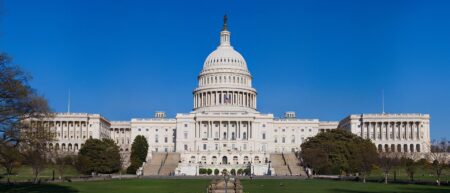
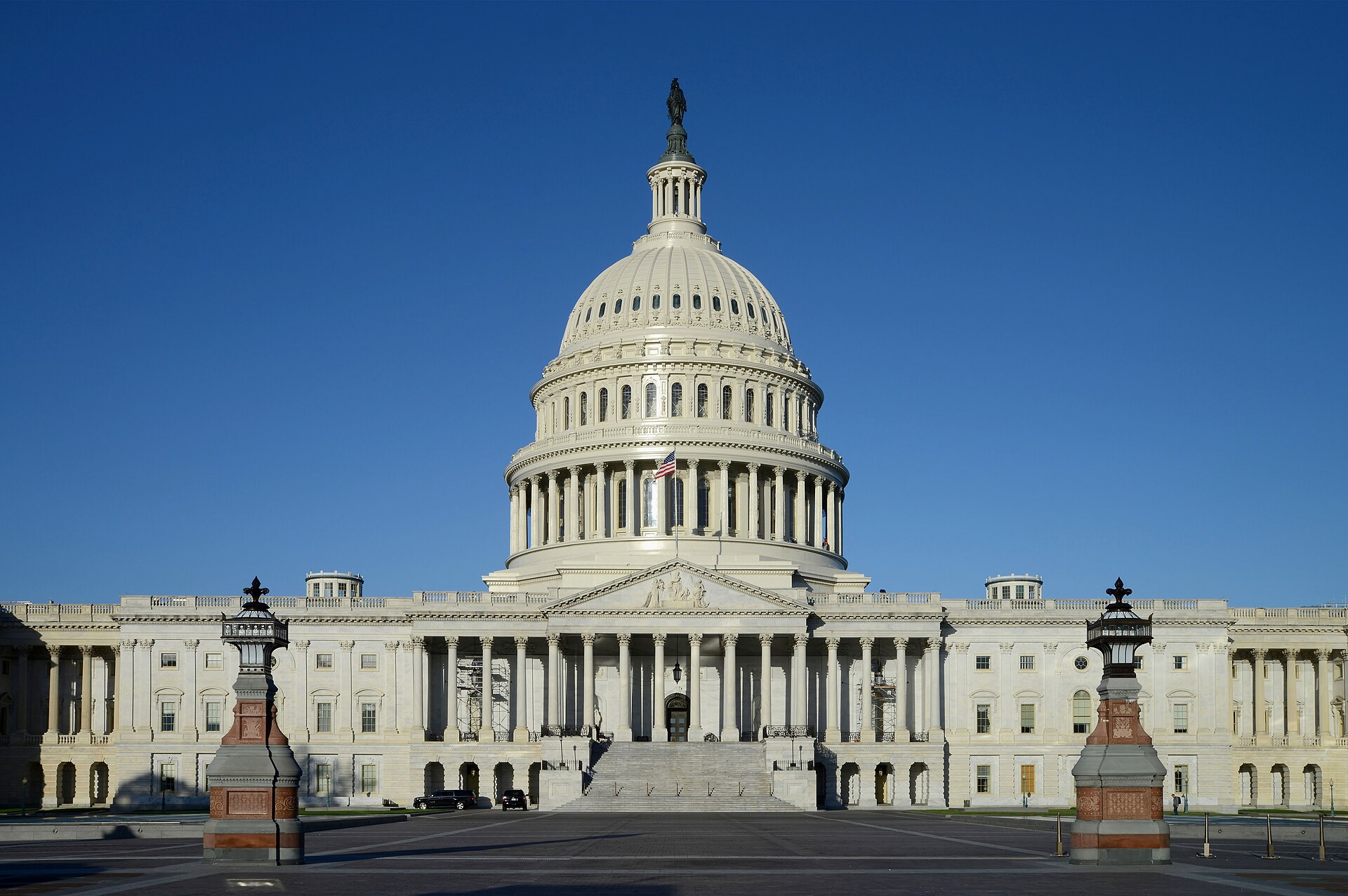
File photo: The east front of the U.S. Capitol in October 2016. Photo: Alvesgaspar, CC BY-SA 4.0, via Wikimedia Commons.
If you find reporting like this useful, consider supporting Canada News Media, an independent Canadian newsroom with no corporate parent.
Follow Canada News Media
Get the day's top Canadian stories and our two daily 60-second news videos wherever you scroll.
X Threads Facebook Instagram LinkedIn TikTok YouTube Pinterest Reddit Substack Flipboard Newsletter RSS