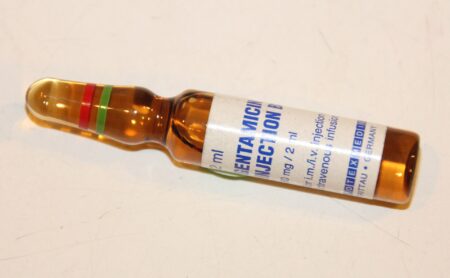




The first sniffles of fall are making the rounds in offices, classrooms and households across Canada. For many people, the instinct after a few miserable days is to ask for antibiotics. Federal health officials say that, for most colds and the flu, that request will not help, and it can cause harm down the road.
The reason comes down to a simple difference between two kinds of germs, and it is worth understanding before the busiest part of respiratory season arrives.
Bacteria and viruses are not the same thing
Germs that make people sick include bacteria and viruses. Both are too small to see, and both can cause symptoms that feel similar, such as a sore throat, a cough or a fever. But they are very different organisms, and they respond to different treatments.
The Public Health Agency of Canada (PHAC) explains that antibiotics work by killing bacteria or stopping them from multiplying. They are designed for bacterial infections only. According to PHAC, most colds, sore throats and the flu are caused by viruses, and antibiotics cannot treat infections caused by viruses.
In other words, taking an antibiotic for a cold is a bit like using a key in the wrong lock. The medication has nothing to act on, so it does not shorten the illness or ease the symptoms.
PHAC also notes that most ear infections get better without antibiotics. That may surprise some parents. Whether a particular infection needs treatment is a decision for a health-care provider who has examined the patient.
What actually helps with a cold or flu
Health Canada says viral infections such as common colds and the flu usually go away on their own. While the body fights off the virus, the agency suggests getting lots of rest, drinking plenty of fluids and using over-the-counter medications to help relieve symptoms.
Pharmacists can help people choose an over-the-counter product that suits their symptoms and is safe alongside any other medications they take. That conversation is especially important for children, older adults, people who are pregnant and anyone managing a chronic condition.
Anyone whose symptoms get worse, last longer than expected or include trouble breathing should contact a health-care provider.
Why using antibiotics when they are not needed matters
The bigger concern behind the federal messaging is antimicrobial resistance, often shortened to AMR. PHAC describes it as what happens when germs change in ways that make antimicrobial medication less effective.
The agency calls resistance a natural process, but one that can be made worse by using too many antimicrobials or using them the wrong way. The examples it lists will sound familiar to many households:
- taking antibiotics for a viral infection;
- not taking the right dose, or not taking a medication for the right length of time;
- not following the prescription;
- using someone else’s medication, or leftover medication, without a provider’s direction.
When resistance builds, PHAC warns, infections can become hard or impossible to treat because the medication no longer works. Health Canada adds that any use of antimicrobial medication can increase the risk of germs developing resistance. That is why officials stress using antibiotics only when they are truly needed, so they keep working for the infections that require them.
Resistance is not just a personal issue. PHAC points out that international travel and the movement of people and animals across borders help resistant germs spread, which is why countries, including Canada, treat it as a shared public health problem.
If you are prescribed an antibiotic
Antibiotics remain essential medicines for bacterial infections. When a health-care provider does prescribe one, Health Canada’s guidance is straightforward. Take all of the medication until it is finished, unless your health-care provider tells you to stop. Do not take another person’s prescription, do not share yours and do not save any for later. Bring unused medication to a pharmacy or nursing station for safe disposal rather than keeping it in the cabinet or throwing it in the garbage.
PHAC’s “Use antibiotics wisely” brochure also suggests a few questions patients can ask at the appointment:
- Do I need antibiotics?
- Are they safe to take with my other medications or health conditions?
- What side effects should I expect?
- Are my vaccinations up to date?
Asking these questions is not about second-guessing a provider. It is a way to understand the treatment plan and to make sure nothing important is missed.
The best defence is not getting sick
Federal guidance puts prevention first, since every infection avoided is one that never needs treatment. PHAC and Health Canada recommend washing hands often with soap and water, or using hand sanitizer; coughing or sneezing into a sleeve or tissue; and keeping vaccinations up to date to lower the risk of illnesses such as pneumonia and the flu.
PHAC’s hand-washing advice is easy to build into a family routine: before eating or handling food, after using the bathroom, after touching animals, after coughing, sneezing or blowing your nose, and when coming home from school, work or play.
Staying home when sick also helps keep viruses from spreading to co-workers, classmates and vulnerable relatives.
The takeaway for this season is simple. A cold or flu is miserable, but for most healthy people it runs its course with rest, fluids and time. Saving antibiotics for the bacterial infections that need them helps make sure they still work when you, or someone you love, really need them.
This article is based on official guidance from the Public Health Agency of Canada and Health Canada and is provided for general public information. It’s not a substitute for medical advice, if you have questions about how this applies to you, talk to your doctor or pharmacist.
If you find reporting like this useful, consider supporting Canada News Media, an independent Canadian newsroom with no corporate parent.
Sources: Public Health Agency of Canada, About antimicrobial resistance; Public Health Agency of Canada, Germs and antibiotics; Public Health Agency of Canada, Use antibiotics wisely; Health Canada, What you need to know about antimicrobial medications like antibiotics.
Follow Canada News Media
Get the day's top Canadian stories and our two daily 60-second news videos wherever you scroll.
X Threads Facebook Instagram LinkedIn TikTok YouTube Pinterest Reddit Substack Flipboard Newsletter RSS