




Canadian businesses fell behind on payments to banks and lenders at the fastest rate since 2019 in the second quarter, even as they got better at paying the suppliers they depend on, Equifax Canada reported Monday. The same sequence, stress surfacing everywhere except the obligation that keeps the lights on, is now visible in Canadian households, and the country’s housing agency predicted it seven months ago.
The 60-day-plus delinquency rate on financial credit products held by Canadian businesses reached 4.0 per cent in the second quarter, up 19.7 per cent from a year earlier and the highest level since 2019, according to Equifax Canada’s quarterly commercial credit trends release. Over the same period, the 60-day-plus delinquency rate on industrial trade credit, meaning what businesses owe their suppliers, fell 24.4 per cent to 4.26 per cent.
“Businesses appear to be doing a better job of staying current with suppliers they depend on to keep operating, all the while payment pressure with banks and lenders continues to build,” Jeff Brown, head of commercial solutions at Equifax Canada, said in the release. “This suggests many businesses are still making difficult choices about where their cash goes.”
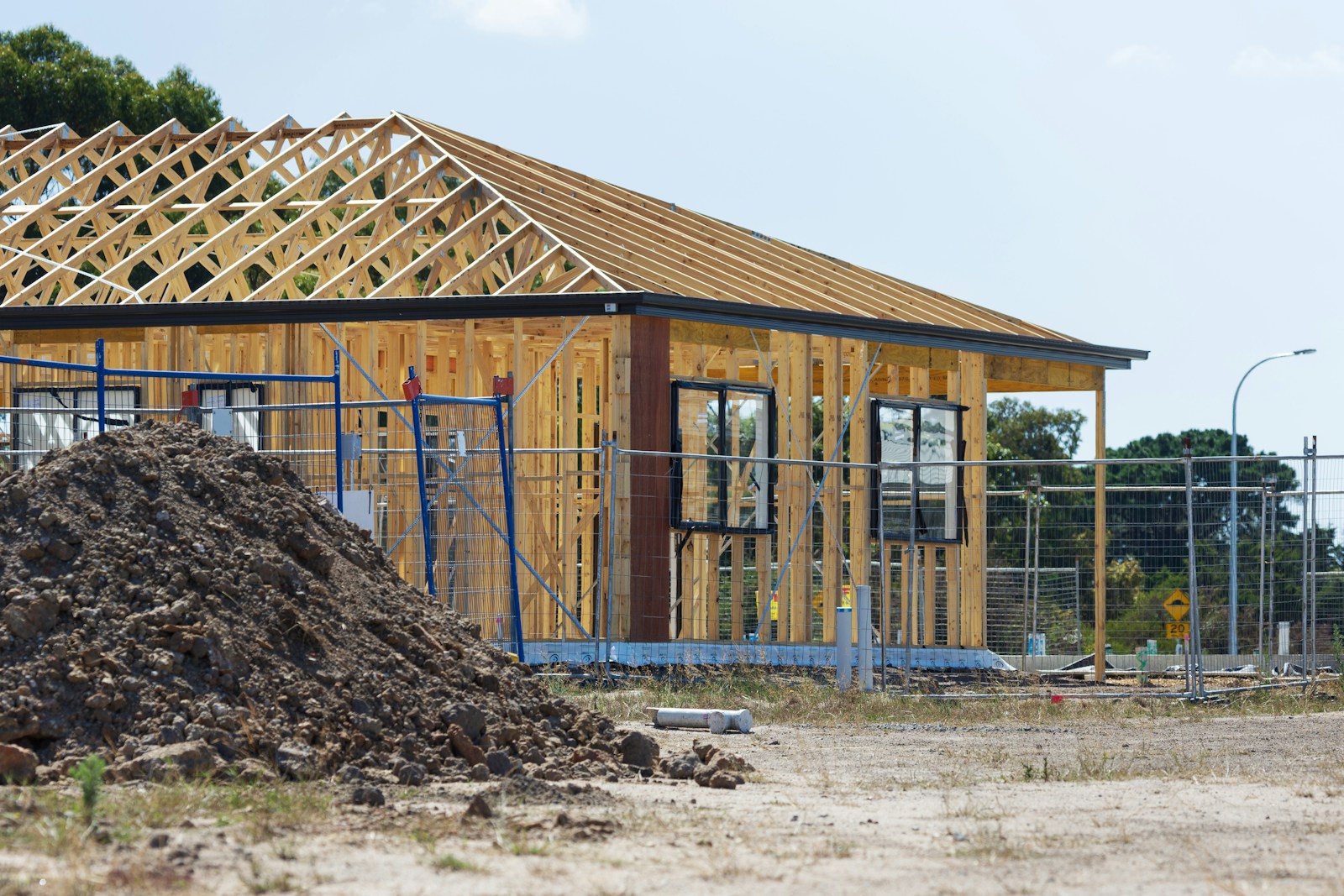
Construction recorded the largest number of business insolvency filings of any Canadian industry in the quarter, at 214, a two per cent increase year over year, Equifax said, citing figures from the Office of the Superintendent of Bankruptcy. Nationally, business bankruptcies fell 8.1 per cent while restructuring proposals rose 30.3 per cent.
Three weeks earlier, on Aug. 24, Equifax published consumer figures drawn from the same quarter that show the household version of the same behaviour. The 90-day-plus delinquency rate on non-mortgage debt held by Canadians who carry a mortgage rose to 0.77 per cent, a 12.5 per cent increase from a year earlier. In Ontario it reached 0.86 per cent, up 27 per cent year over year. Excluding Ontario, the national rate rose just 2.1 per cent, meaning Ontario’s rate of deterioration ran roughly 13 times faster than the rest of the country’s.
“The data clearly shows that the persistent pressure of higher interest rates and mortgage renewal shocks have impacted many homeowners for several years,” said Rebecca Oakes, vice-president of advanced analytics at Equifax Canada. Ontario continues to stand out, she said, “with some mortgage holders struggling to keep up with other credit obligations.”

The mortgages themselves are largely still being paid. The Canadian Bankers Association counted 14,061 mortgages at least three months in arrears in May out of nearly 4.93 million outstanding, an arrears rate of 0.29 per cent, up from 0.22 per cent a year earlier, as reported by Canadian Mortgage Trends. Saskatchewan had the highest provincial rate at 0.48 per cent and Quebec the lowest at 0.19 per cent, with Ontario at 0.32 per cent. The association said arrears remain low by historical and international standards, but cautioned that further increases are possible if the labour market weakens.
That divergence is what the Canada Mortgage and Housing Corporation flagged in February. In a Feb. 5 analysis, deputy chief economist Tania Bourassa-Ochoa wrote that regions heavily exposed to tariffs were increasingly at risk and that “we may see a growing number of households struggling to meet both non-mortgage and mortgage payments.” She singled out Montreal as a market whose delinquency outlook was “driven mainly by consumer credit stress rather than by housing market conditions.”

CMHC’s forecast, built on Equifax data, projected Toronto’s mortgage delinquency rate rising from 0.26 per cent in the third quarter of 2025 to 0.33 per cent this September and 0.34 per cent by December. The agency described Toronto’s rate as having “more than quadrupled from post-pandemic lows,” a characterization its own published series supports: the September 2022 trough was 0.06 per cent, against 0.26 per cent three years later, an increase of roughly 4.4 times. CMHC attributed the acceleration to high household debt, concentrated small-scale investor activity facing negative cash flow, falling prices that limit quick sales, and a weaker Greater Toronto Area labour market.
More than 1.5 million households had already renewed mortgages at higher rates as of that analysis, CMHC said, with roughly another million due to sign new terms within the year.
On the construction side, Morningstar DBRS said in a midyear outlook reported Sept. 9 that elevated mortgage rates and home prices remain major barriers for buyers, particularly first-time buyers, and that builders are increasingly relying on discounts and financing incentives to hold sales. New U.S. tariffs on Canadian construction materials including cement have added cost uncertainty, the rating agency said, while potential measures affecting Canadian lumber could raise expenses further. “For Canadian homebuilders, these macroeconomic headwinds may weaken consumer confidence and housing demand, potentially prolonging the sector’s recovery,” it said, adding that larger diversified builders are better positioned than smaller regional firms.
The two Equifax datasets measure different borrowers on different terms, and both are quarterly snapshots rather than a single causal chain, so the parallel is a pattern and not proof that one is driving the other. What they share is an order of operations. Neither mortgage arrears nor supplier payments have broken. On both sides of the housing market, the payment being protected is the one that keeps the house or keeps the business open, and the bill being missed is everything else. That makes the credit card and the line of credit, rather than the mortgage, the earlier place to look for strain.