


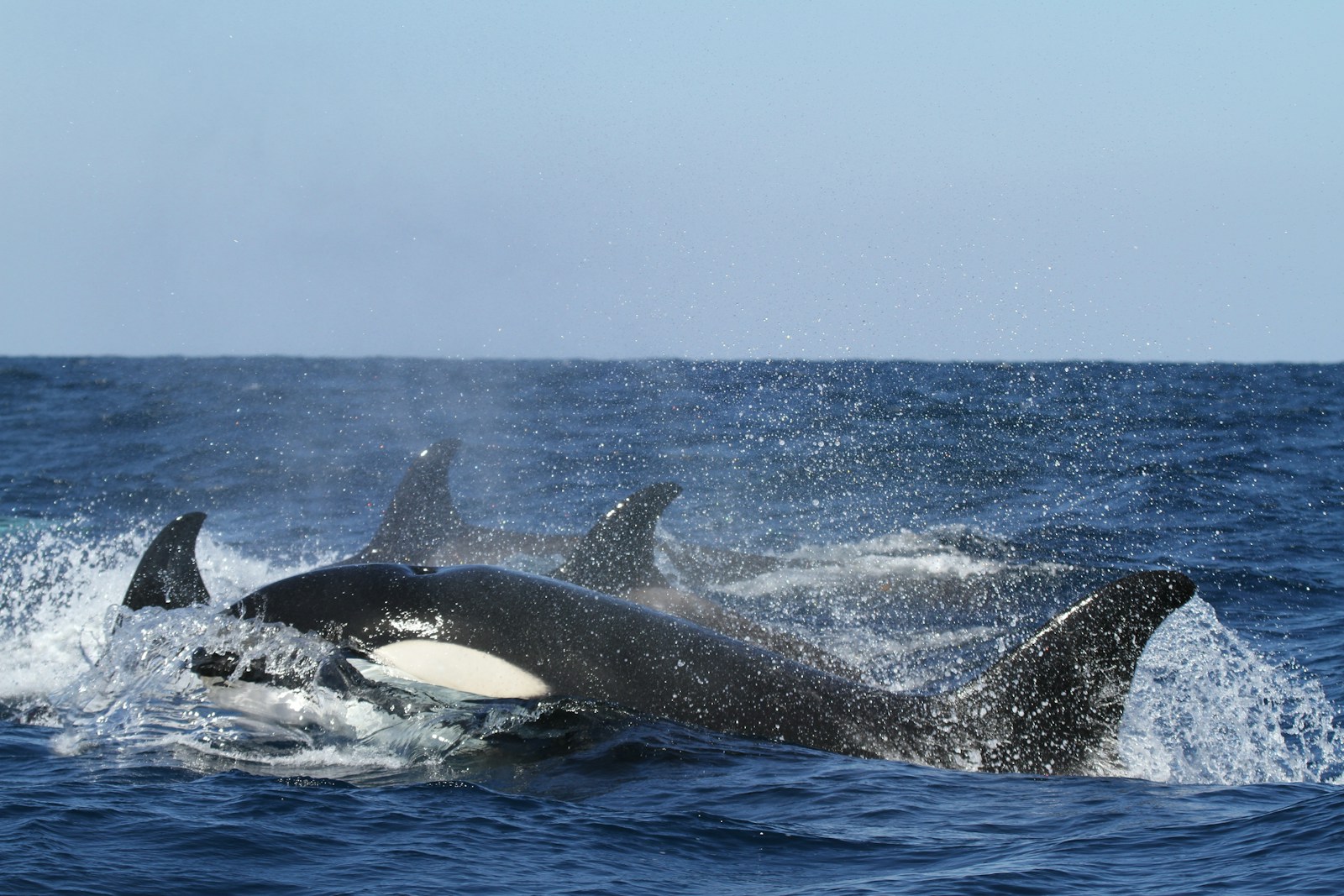
The federal government has dropped a proposal that would have let cabinet exempt major projects from a central protection in the Species at Risk Act. The measure it abandoned was a single sub-item in a six-part overhaul of federal project reviews, and the rest of that package is still standing.
The Canadian Press reported Sept. 9 that Ottawa will not proceed with the exemption, citing a senior government source speaking on background who confirmed an earlier report by the Toronto Star. The source said the change followed feedback gathered over the summer. A government report released the same day, summarizing more than 26,000 submissions, said “clear perspectives” emerged on protections for species at risk, according to CP.
What that leaves in place is easier to see in the original proposal than in the coverage of its retreat. The discussion paper, “Getting Major Projects Built in Canada,” was published May 8 and closed to comment July 22. The species at risk exemption sits at the very bottom of it, as sub-item eight of eight, under the sixth of six proposals, in a section headed “Streamlined and efficient regulatory environment.” The paper proposed giving the Governor in Council, meaning cabinet, “limited power, with a high threshold to be met, to exempt specific projects from the application of the jeopardy test for species at risk, but only if it’s in the public interest and if the proponent has made all reasonable efforts to avoid or reduce impacts on at-risk species.”
The senior government source told CP the government would not move ahead with that part of the paper. The five preceding proposals were not part of Wednesday’s reversal, and several bear directly on the same question of environmental oversight. The paper proposes that projects reviewed by the Canada Energy Regulator, including international and interprovincial pipelines, transmission lines and offshore renewable energy projects, “would no longer require a separate impact assessment” under the Impact Assessment Act. For pipelines with lengthy routes, it proposes that cabinet rule on whether a project is in the public interest “at the beginning of the decision process, before the CER completes its review of conditions and routing details.” It also proposes Federal Economic Zones in which cabinet could pre-approve categories of development outright.
Seven other sub-items in that final section also survive, among them a proposal to allow “some early construction activities to start before an impact decision is made,” and proposals authorizing two ministers to adjust impact assessment conditions and environmental conditions on national interest projects. CTV News reported Sept. 9 that the government is scaling back federal reviews for major energy projects, a move it said environmental groups argue will weaken oversight of some of Canada’s largest industrial projects.
The government’s own summary put Indigenous rights at the centre of the objections. “Several Indigenous participants shared concerns about the Species at Risk Act proposal and Fisheries Act proposal,” the report said, according to CP, warning that letting cabinet approve certain activities deemed to be in the public interest “could raise questions of potential precedents for legislative overrides of rights-based and environmental protections and infringe on Indigenous rights.” The report also said that while many stakeholders backed better co-ordination, there was “a consistent view that streamlining must not become deregulation.”
Assembly of First Nations National Chief Cindy Woodhouse Nepinak told CP in May that the proposals “demonstrate a pattern of exclusion,” and criticized the time allowed to respond. Ottawa first set a June 7 deadline for feedback, then extended it to July 22 after what CP described as heavy criticism, primarily from environmental and Indigenous groups.
Julia Levin, an associate director at Environmental Defence, told CP the retreat should not be mistaken for a reprieve. “Having removed one pathway to extinction is positive,” she said. “But I’m not confident that species will be any safer because of it because of these other ways that the prime minister has created.” Levin noted that the Building Canada Act, passed as part of Bill C-5 last summer, already lets Ottawa exempt projects with a national interest designation from a dozen laws, the Species at Risk Act among them.
One question Wednesday’s reversal does not answer is the one the Green Party raised in its submission, reported by CP in July: how cabinet would be held accountable if species at risk are threatened by a federal decision. Legislation is expected in the fall sitting, after Ottawa hosts its investment summit in mid-September.
via The Canadian Press. Reporting by Nick Murray. Proposal details quoted from the Government of Canada discussion paper “Getting Major Projects Built in Canada.”
Follow Canada News Media
Get the day's top Canadian stories and our two daily 60-second news videos wherever you scroll.
X Threads Facebook Instagram LinkedIn TikTok YouTube Pinterest Reddit Substack Flipboard Newsletter RSS