




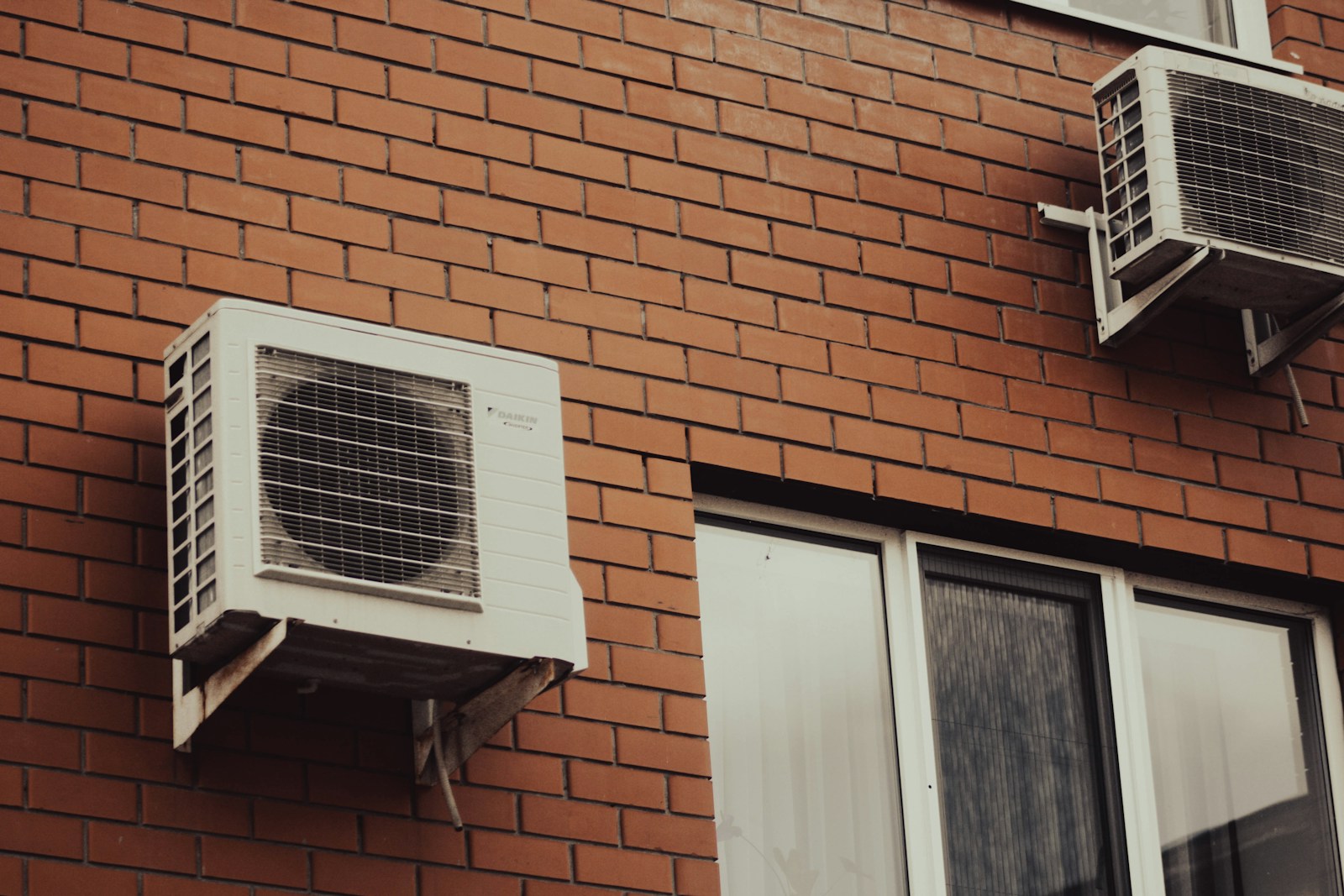
The short answer: pull the unit out of the window before the first hard frost, clean the filter and the drain pan, let everything dry completely, and store it upright in a dry indoor space. Leaving a window air conditioner mounted through a Canadian winter will not necessarily wreck it, but it costs you heat, invites moisture and rodents into the machine, and leaves a weak spot in your building envelope at the time of year you can least afford one.
Mid-September is the natural deadline in most of the country. Air conditioner manufacturers generally advise against running a unit in cooling mode when the outdoor temperature is at or below roughly 16 C (60 F), because refrigerant pressure falls and the compressor lubricant thickens at those temperatures, which strains the compressor and can ice the evaporator coil. By the time overnight lows are in the single digits, the unit has already done its last useful work of the season, and every additional week it spends in the sash is a week of cold air finding its way past the accordion side panels.
That last point is worth dwelling on. Natural Resources Canada notes that windows, doors and skylights can account for a substantial share of a home’s heat loss, up to about 25 per cent in some circumstances. A window air conditioner sits directly in one of those openings, held in place by thin plastic curtains and a strip of foam that were designed to block summer bugs and rain, not a January wind. Removing the unit and properly sealing and insulating the window is one of the cheaper efficiency moves available to a renter or homeowner this month.
GE Appliances says outright that removal is not strictly a necessity, and that a very large window unit may simply be too awkward to take out. That caveat matters. Built-in wall units housed in a permanent sleeve do not need to come out at all. Neither does a unit so heavy that getting it out safely is beyond you. Before you start, be honest about the weight, and about the window. Most room units run from roughly 20 to 45 kilograms. If the window is above the ground floor, or if the unit cannot be lifted straight inward from a stable footing on the floor, do not attempt it alone and do not lean out over the sill to free a bracket. That is working at height, and a fall from a second-storey window is not a recoverable mistake. Hire a handyperson or an HVAC technician, or ask a mover, rather than improvising. You will also want a second set of hands, a screwdriver, a shop vacuum or soft brush, mild dish soap or white vinegar, a couple of old towels, and a tarp or drop sheet for the floor.
-
Run the fan for half an hour, then unplug the unit. Switch the air conditioner to fan-only mode and let it run for 30 to 60 minutes on a dry day. This moves air across the evaporator coil and dries out condensate that would otherwise sit inside the cabinet all winter and grow mould. When the fan cycle finishes, unplug the cord at the wall. Do not rely on the power button. Nothing else in this process happens while the unit is energized.
-
Clear the floor and lay down a drop sheet. Push furniture back, open a clear path to wherever the unit is going, and put a tarp or old towels under the window. Residual water in the base pan will spill when you tilt the unit, and the cabinet exterior is usually filthy.
-
Remove the hardware holding the unit in place. Work through it in order: window sash locks or security brackets first, then any L-brackets screwed into the sash or sill, then the mounting screws through the accordion panels, then the foam gasket between the upper and lower sash. Keep every screw and bracket in a labelled bag taped to the unit. Reinstalling next May is far easier when the original hardware is still together.
-
Retract the accordion side panels. Slide the plastic curtains fully back into their channels on each side of the cabinet. If they are screwed to the unit and come off entirely, bag them with the hardware. Leaving them extended is how they get cracked in storage.
-
Tilt the unit slightly inward, then lift it straight in. With one person on each side, tip the outdoor end up a few degrees so any water in the base pan drains toward the inside and onto your towels rather than down the exterior wall. Take the full weight before anyone raises the sash further. Lift with your legs, keep the unit level once it clears the sill, and set it on the floor. Never let go of it to adjust your grip while it is still partly in the opening.
-
Drain and clean the base pan. Tip the unit gently over a bucket or tub to empty standing water, then wash the pan with warm water and a little dish detergent or white vinegar to lift the dust, lint and biological film that collects there over a summer. Rinse and wipe it out.
-
Clean or replace the air filter. Slide the filter out of the front grille. Most are washable: rinse under warm water, work in a drop of detergent, rinse again and set it aside flat to dry. If it is a disposable type, or if it is torn or permanently grey, replace it now so the unit is ready to go in spring rather than in the middle of a heat wave.
-
Clean the coils and the exterior. Vacuum the front evaporator fins and the rear condenser fins with a soft brush attachment, working in the direction of the fins so you do not bend them. Pull out leaves, seeds and insect debris from the rear grille. Wipe the cabinet down.
-
Let it dry completely before it goes into storage. Leave the unit sitting upright, unplugged, for at least 24 hours in a warm room. Sealing a damp air conditioner into a cover or a box is how you get a mouldy smell the first time you switch it on in June.
-
Store it upright, indoors, and off the floor. This is the one storage rule that carries real consequences. GE warns that if the appliance is placed on its side or its back, the compressor can be damaged, and that a unit left on its side or back for more than a day should be stood upright and left unplugged for 24 hours before it is plugged in again. Store it exactly as it sits in a window, on a level surface. A basement, attic or utility room is preferable to a detached garage or shed, where mice are more likely to find it and chew the wiring. Cover it loosely with a sheet or the original box to keep dust off, but do not wrap it in airtight plastic.
-
Seal and insulate the empty window. Close and lock the window, then check the sash for a draft with a lit incense stick or the back of a damp hand. Add weatherstripping if the seal is worn, and if the window is a known cold spot, fit an interior window insulator film kit. Blocking that opening properly is most of the reason you did the job in the first place.
If the unit genuinely cannot come out, seal it rather than ignore it. Unplug it, fit a purpose-made outdoor air conditioner cover over the exterior portion to keep snow and ice off the condenser, and seal the interior face from inside the room using an insulating cover or rigid foam cut to fit, with the gaps around the cabinet taped or caulked. That is a compromise, not an equivalent, but it stops the worst of the air leakage.
Budget about an hour for the whole job, most of it cleaning. Do it on a dry afternoon before the first frost, keep the hardware bagged with the unit, and next spring the reinstall becomes a 15-minute task instead of a scavenger hunt.
Sources: GE Appliances, Window Air Conditioner: Winterizing or Storage; Natural Resources Canada, Keeping the Heat In, Section 8: Upgrading windows and exterior doors; HVAC.com, How to remove and store your window air conditioner; Repair Clinic, How to prepare your window AC for winter storage.
Follow Canada News Media
Get the day's top Canadian stories and our two daily 60-second news videos wherever you scroll.
X Threads Facebook Instagram LinkedIn TikTok YouTube Pinterest Reddit Substack Flipboard Newsletter RSS