


Prime Minister Mark Carney said Sunday that Canada is not seeking membership in the European Union, responding to a Wall Street Journal report that Ottawa and Brussels are exploring making Canada an “associate member” of the bloc.
“We’re not looking to become a member of the European Union,” Carney told reporters at the Toronto International Film Festival, according to UPI. “What we are looking for and will begin discussion for, is a unique alliance with the European Union, between Canada and the European Union.” He said the two sides share the same values and have complementary strengths, and that “friends need to stick together” at a moment when the world is more dangerous and divided.
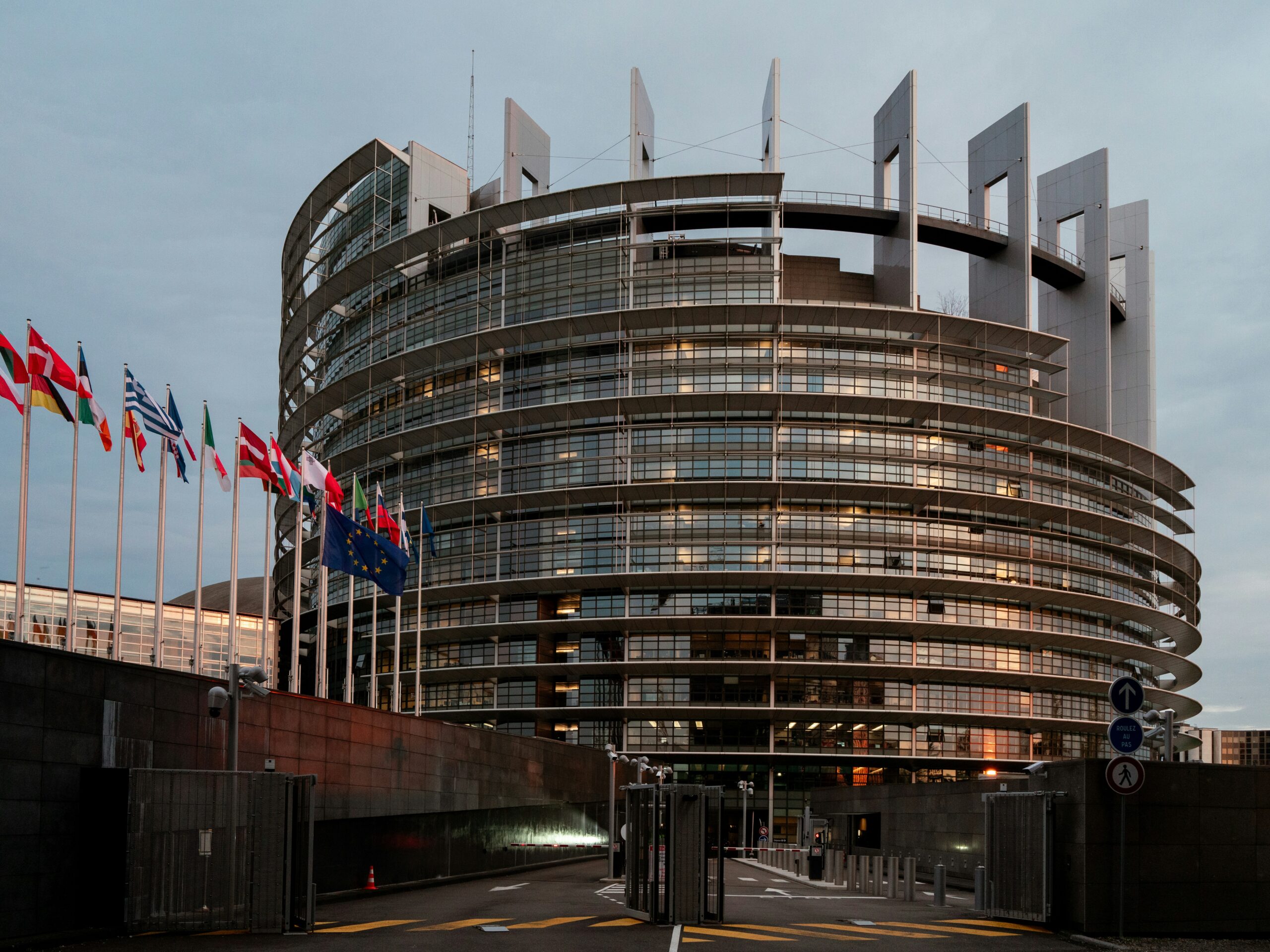
The Journal, citing unnamed Canadian and EU officials, reported that the two sides are sorting out what an associate membership would look like, ahead of Carney’s address to the European Parliament in Strasbourg on Thursday. CTV News cited an unnamed government source who said Canada is not seeking EU membership in any capacity and that the report “overstates” what is actually happening. The European Commission did not respond to the Journal, UPI reported.
What the coverage has largely left out is that the EU’s founding treaty already forecloses the bigger question. Article 49 of the Treaty on European Union, the provision that governs enlargement, opens with a geographic limit. “Any European State which respects the values referred to in Article 2 and is committed to promoting them may apply to become a member of the Union,” reads the consolidated text published by EUR-Lex, the EU’s official legal database. It admits no other class of applicant. Canada is not a European state, so the accession route is shut before the politics of it even begin.
That is why the phrase “associate member” is carrying so much weight and so little legal content. There is no associate membership tier in the EU treaties. What does exist is Article 217 of the Treaty on the Functioning of the European Union, which lets the Union conclude agreements with third countries “establishing an association involving reciprocal rights and obligations, common action and special procedure.” That is the provision behind the EU’s 2014 association agreements with Ukraine, Georgia and Moldova. It can create joint institutions and binding decisions. It does not create members, and nothing in it turns a non-European country into one.
The practical relationship, meanwhile, is further along than the label fight suggests, and it is on the public record. Canada signed an agreement with the EU in February to take part in SAFE, the 150 billion euro loan instrument the European Commission runs to finance joint defence procurement by member states. According to Global Affairs Canada’s published summary of that agreement, Canadian content may make up as much as 80 per cent of the total value of any SAFE procurement, against a 35 per cent ceiling that applies to other non-EU countries, and Canadian firms are to receive treatment equivalent to European companies. Canada’s initial contribution is 10 million euros, of which 7.5 million is credited against future participation fees, and Ottawa remits a fee equal to 15 per cent of the Canadian content on any contract where European content falls below 65 per cent. The department describes SAFE as one pillar of Readiness 2030, an 800 billion euro EU defence plan, and says Canada will also fund Ukraine’s defence industry in proportion to what Canadian firms earn.
The reason any of this is moving is a number the announcements tend to skip. The United States still takes roughly 72 per cent of Canadian exports, a figure UPI attributed to Washington Post analysis, and the Journal reported that the aim of the talks is a reorientation of Canadian trade away from that dependence, potentially including fertilizer shipped to Europe through the Arctic and new natural gas capacity to displace Russian supply.
canadanewsmedia.ca reported Sept. 8 that a broader Canada-EU trade and security package was being prepared for announcement in mid-September. Thursday’s speech in Strasbourg is where Carney is expected to put a name to it. On the evidence of the treaties, that name will not be membership, associate or otherwise, and readers should treat the label as a political description rather than a legal status until a text exists to read.
via UPI. Treaty text from EUR-Lex; SAFE terms from Global Affairs Canada.