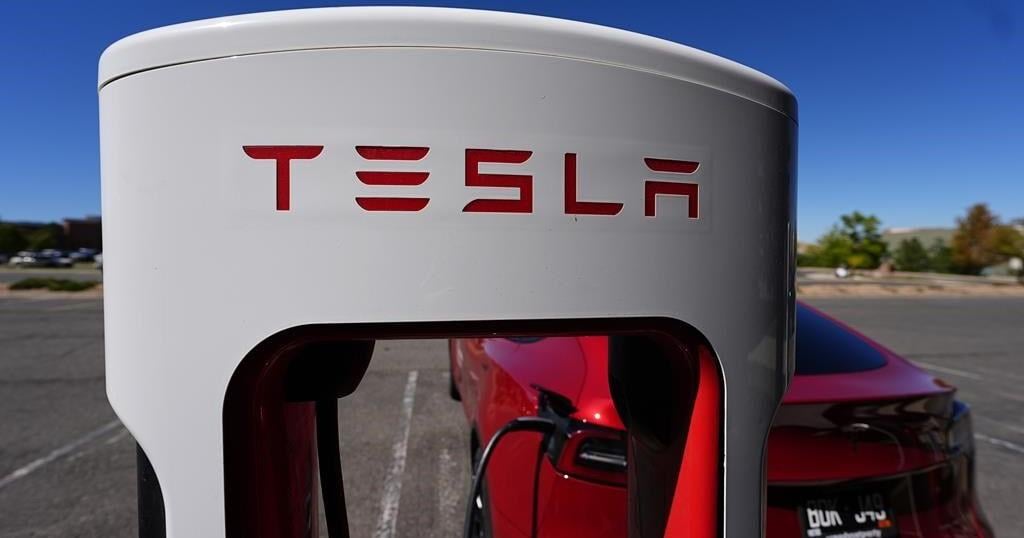



Manitoba will exempt major capital investments in the Port of Churchill Plus project from the province’s seven per cent retail sales tax, Premier Wab Kinew announced Monday in Toronto.
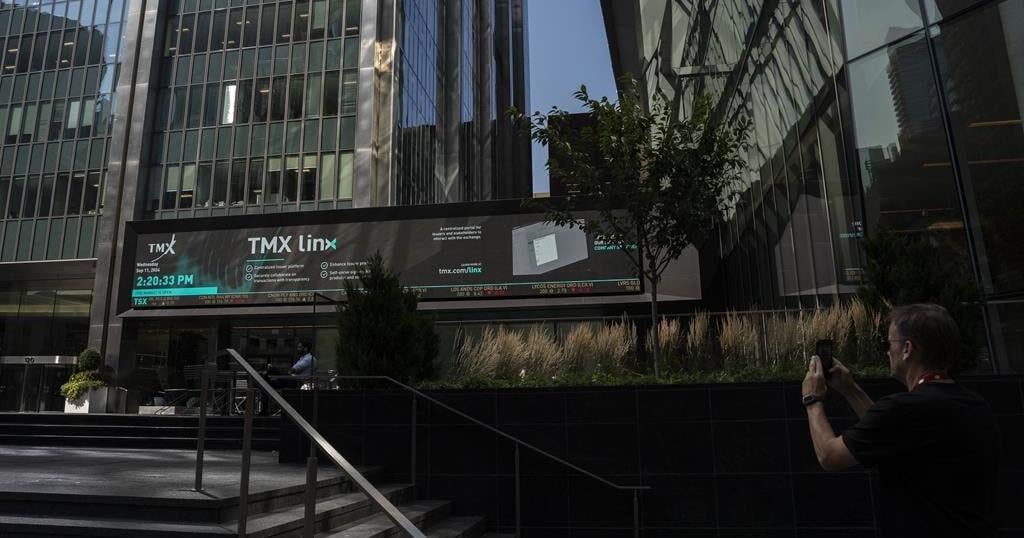
Kinew made the announcement while opening the Canadian Global Growth Forum, an event hosted by the Canadian Venture Capital & Private Equity Association that is running alongside the federal government’s first Canada Investment Summit. The province said he delivered it to a room of 250 Canadian and global investors representing more than US$13 trillion in assets.
“We are here in Toronto to tell global investors that the Port of Churchill is open and ready to expand,” Kinew said in a news release issued by the Manitoba government. “These new capital incentives make it easier for investors to get in on the ground floor of the largest project featured at the Canada Investment Summit.”
According to a background document attached to the release, the exemption will apply to eligible purchases that are currently subject to the retail sales tax and that qualify as specified capital properties acquired to transport goods to and from the Port of Churchill, or to process goods there, as part of the Port of Churchill Plus project. The province said complete details, including which capital properties fall within the scope of the exemption, will be provided at a later date.
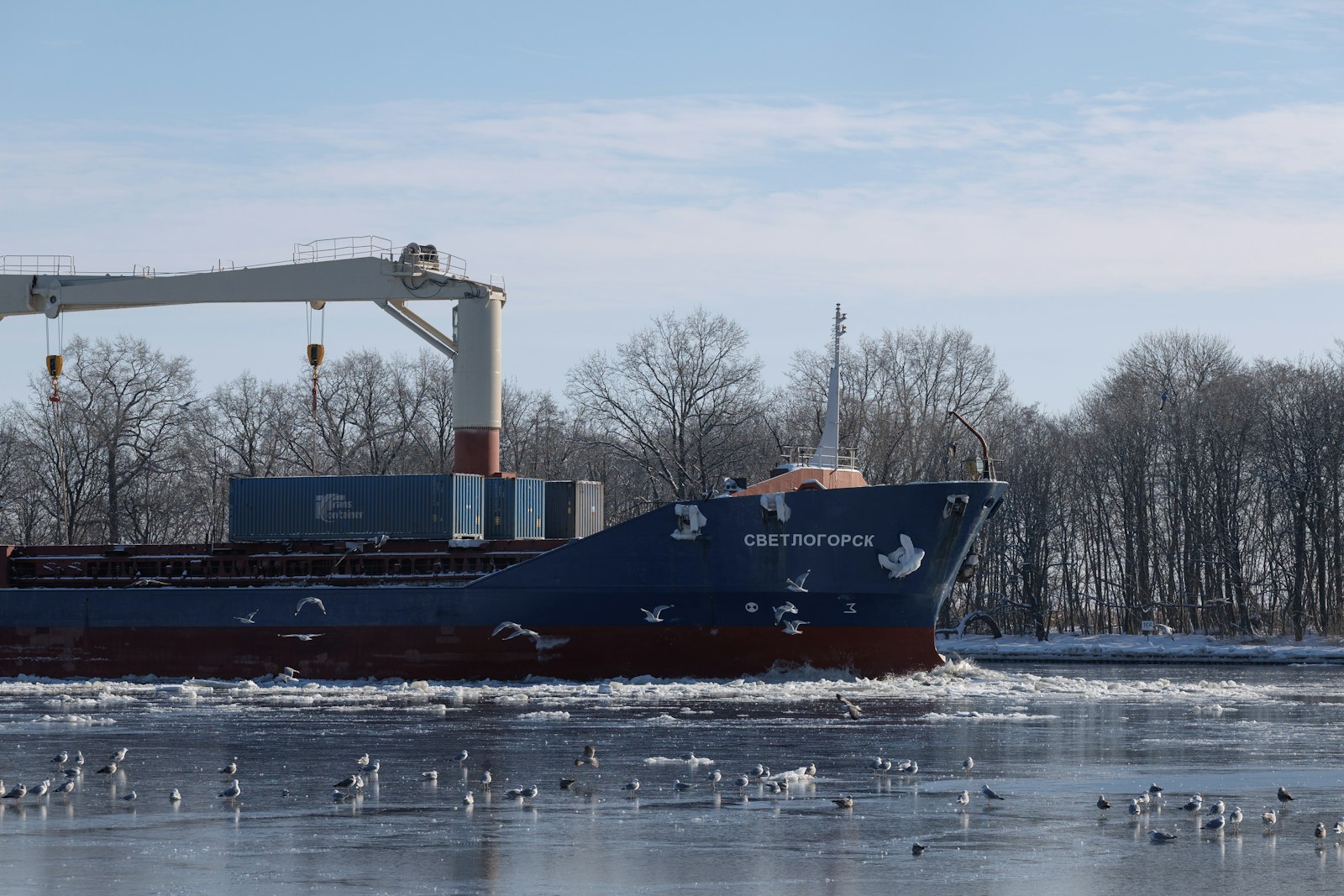
The project as described by the province covers four categories: a new energy corridor such as a pipeline, together with export or liquefied natural gas facilities such as a floating terminal; marine icebreaking capacity or ice-class ships to support year-round shipping; upgrades to the Hudson Bay Railway to support a Class 1 rail line; and other selected upgrades and expansion at the port. The release said new studies estimate a cost of $100 million to $130 million, without breaking that figure down by component.
The Canadian Press reported the announcement Monday morning, noting that Manitoba is waiving the tax as it tries to attract international investment.
Churchill, on the western shore of Hudson Bay, is Canada’s only deep-water Arctic seaport with a rail connection to the rest of the country. Its commercial limitation has long been the length of the shipping season, since sea ice restricts traffic to a window of several months each year, which is why the icebreaking and ice-class vessel elements sit at the centre of the expansion case. Kinew argued the route already holds a distance advantage on the eastbound leg, saying the grain and critical minerals now moving through the port reach Europe faster than shipments out of the Port of Vancouver.
Kinew said the province will hold bilateral meetings with multiple global investment firms over the two days of the summit, pitching the port alongside mining, infrastructure and agriculture projects that Manitoba values at more than $85 billion. Finance Minister Adrien Sala and Business, Mining, Trade and Job Creation Minister Jamie Moses are attending, as is a delegation that includes Assembly of Manitoba Chiefs Grand Chief Kyra Wilson, Anisininew Okimawin Grand Chief Alex McDougall, Southern Chiefs’ Organization Grand Chief Jerry Daniels, representatives from Manitoba Keewatinowi Okimakanak and Manitoba Métis Federation President David Chartrand.
The two-day summit, which opened Monday in Toronto, has drawn hundreds of executives and asset managers, with Prime Minister Mark Carney, federal ministers and premiers from across the country pitching investors on opportunities in energy, critical minerals and defence.