




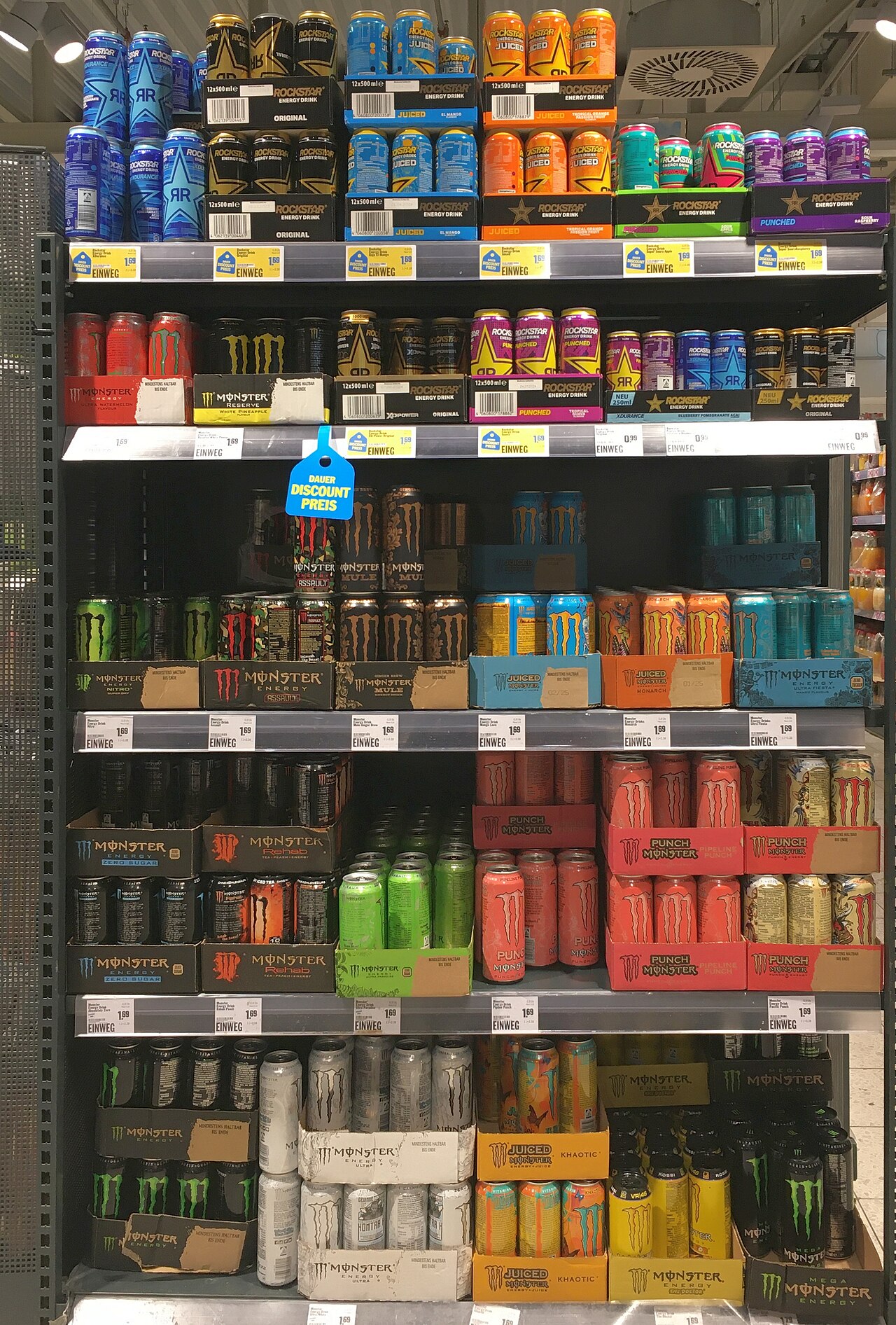
A newly formed coalition of U.S. doctors is warning that highly caffeinated energy drinks can seriously harm children and teens, a message that reached Canadian readers on Oct. 3, 2026, and one that matches what Canadian paediatricians and Health Canada have told families for years.
The stakes are easy to measure. Health Canada allows up to 180 milligrams of caffeine in a single serving of an energy drink, while its recommended daily maximum for a child aged four to six is 45 milligrams, a quarter of that amount.
The doctors are pushing back against a sponsorship deal between Monster Energy and the Big 12 Conference, a major U.S. college sports league, The Associated Press reported. The group asked Big 12 leaders to pause the deal and asked the NCAA to review energy drink marketing to young people in general. The deal puts a co-branded logo on football and basketball jerseys, fields and courts, the AP said.
“Kids are going to see energy drinks now promoted by the universities and the athletes that they admire,” Dr. Matthew Nelson, an Idaho cardiologist involved in the effort, told the AP. He said children “will think of them as sports drinks, which they’re not.”
The campaign is not new. Fox 26 Houston reported on Aug. 28 that physicians had sent a letter asking the Big 12 and the NCAA to pause the youth-facing branding while independent medical experts reviewed the health risks. Both outlets reported that Dr. Deena Casiero, the NCAA’s chief medical officer, replied that the association lacks the authority to regulate conference or school sponsorship deals. The Big 12 said in a statement that “the energy drink category is not new to collegiate athletics,” and Monster said mainstream energy drinks have been marketed worldwide for more than 30 years, according to the AP.
Dr. Tamara Hannon, an Indiana pediatrician who chairs the American Academy of Pediatrics nutrition committee, told the AP the drinks can cause abnormal heartbeats, a faster heart rate, sleep problems, dehydration, agitation, high blood pressure and seizures. “The heart can wear out, the nervous system can go haywire,” she said. The doctors also pointed to the 2017 death of Davis Cripe, a 16-year-old in South Carolina who died of an arrhythmia after having several caffeinated drinks that day, the AP reported.
In Canada, the rules start with the can itself. Health Canada regulates caffeinated energy drinks as supplemented foods and caps total caffeine from all sources at 180 mg per serving, with limits on other added ingredients such as taurine and B vitamins. Every can must say “high caffeine content,” carry a supplemented food caution identifier, and state that the product is “not recommended for those under 14 years old, pregnant or breastfeeding women or individuals sensitive to caffeine,” along with a maximum number of servings per day.
Energy shots, the small concentrated bottles, are treated more strictly. Health Canada says they are restricted to adults 18 and older and asks consumers to report any shot whose label lacks that restriction. Problems with energy drinks, such as more than 180 mg of caffeine per serving or missing warnings, should be reported to the Canadian Food Inspection Agency, the department said.
Health Canada’s public advisory on the drinks, first issued Aug. 21, 2023, and last updated April 29, 2026, says some energy drinks have been recalled and repeats that people under 14 should not drink them. It lists insomnia, irritability, headaches and nervousness as effects of too much caffeine and warns that caffeine can mask the drowsiness that comes with alcohol, which can lead people to drink more than they intended.
On daily intake, Health Canada’s caffeine guidance sets a maximum of 2.5 mg per kilogram of body weight for children and teens, compared with 400 mg a day for healthy adults. For average-weight children, that works out to 45 mg a day at ages four to six, 62.5 mg at seven to nine and 85 mg at 10 to 12, figures listed in the Canadian Paediatric Society’s position statement and reported by The Globe and Mail. By that formula, a 50-kilogram teen should stay under 125 mg a day, less than one serving at the 180 mg maximum.
The Canadian Paediatric Society’s statement, written by Dr. Catherine Pound and Dr. Becky Blair, was first posted Oct. 6, 2017, and reaffirmed Jan. 12, 2026. It says the caffeine in these drinks typically exceeds Health Canada’s limits for children, and it describes adverse events reported in children as young as eight, including rapid heart rate, raised blood pressure, vomiting, agitation, circulatory collapse and death. Children with heart, kidney or liver disease, seizures, diabetes or hyperthyroidism face higher risk, and in children with ADHD caffeine may add to the heart-related side effects of stimulant medication, the society said.
Canadian research points the same way. A national online survey of 2,055 Canadians aged 12 to 24, conducted in 2015 by University of Waterloo researchers and published in CMAJ Open in 2018, found that 55.4 per cent of those who had ever had an energy drink reported at least one adverse effect. The most common were a fast heartbeat at 24.7 per cent, trouble sleeping at 24.1 per cent and headache at 18.3 per cent, while 0.2 per cent reported seizures. Energy drink users were more likely to report problems than coffee drinkers, the university said. The Canadian Beverage Association called the study’s conclusion misleading at the time, arguing it grouped regulated energy drinks with alcoholic drinks and energy shots.
The doctors’ advice for families is consistent on both sides of the border. The Canadian Paediatric Society says water is the right drink for routine and play-based activity and that energy drinks are not sports drinks. It urges doctors to ask young patients whether they use energy drinks and whether they mix them with alcohol, and it calls on paediatricians to push for legislation to stop the marketing of these drinks to children and teens. Health Canada’s energy drink page sets out composition and labelling rules but does not describe any restriction on marketing them to young people.
In practice, that means reading the label for the caffeine per serving and the number of servings per container, checking the under-14 warning and counting other sources of caffeine such as coffee, tea, cola and some over-the-counter cold and headache medicines. Hannon told the AP that parents should raise every drink their child consumes at regular checkups. Her advice: “Rethink your drink.”
Via The Associated Press, as carried by Global News, and Fox 26 Houston.
If you find reporting like this useful, consider supporting Canada News Media, an independent Canadian newsroom with no corporate parent.









.jpg)