

Toronto homebuilding startup Promise Robotics has signed a multi-year agreement to supply its robotic framing factories to D.R. Horton, the largest homebuilder in the United States by volume, the companies announced Oct. 13.
The deal is Promise’s first U.S. customer. D.R. Horton will use the company’s factory-as-a-service platform to support production of more than 1,250 mostly single-storey, single-family homes in the Phoenix area, according to BetaKit.
Financial terms were not disclosed. HousingWire reported that the 1,250-home figure is an anchor volume and not a cap, and that Promise plans to offer more capacity roughly every six months as a factory’s output grows.
Promise plans a 16,000-square-foot factory in Phoenix, BetaKit reported. It would be the company’s third, after plants in Calgary and Edmonton, and its first outside Canada. Manufacturing is expected to begin in early 2027. The Robot Report said the announcement did not specify which site would serve D.R. Horton.
“A deal like this requires quite a bit of trust,” Promise co-founder and CEO Ramtin Attar told BetaKit. He called the Phoenix plant the company’s go-to-market facility in the U.S. Brad Conlon, D.R. Horton’s senior vice-president of strategic growth and innovation, said in the announcement that Promise’s “integrated platform gives us a new capability to support those goals.”
Promise uses off-the-shelf industrial robots, fitted with its own tooling and software, to turn a builder’s existing designs into production plans and robot instructions. Its factories currently make interior and exterior walls, floors, stairs and roofs, and the company said HVAC and plumbing components are in development.
Attar told HousingWire the framing of a typical two-storey, 1,800-square-foot home with a basement and attached garage takes about eight hours. The figure covers framing only, not a finished house, and has not been independently verified. HousingWire also noted that local permitting and inspection rules still limit how much work can be done in a factory.
The Robot Report said Promise had to adapt for the U.S. market, noting that its fastening algorithms can be configured to local building codes and that Phoenix projects required about 50 per cent less sheeting and different bracing than Canadian ones.
For Canadian readers, the deal shows a homegrown construction technology company winning business south of the border while Canada is trying to speed up its own housing supply. BetaKit reported that Promise is contracted to build just over 2,500 homes for several builders and has completed more than 200 builds for a group that includes Brookfield, Hopewell and Mattamy.
The company has about 80 employees and aims to reach 100 by the end of 2026, BetaKit reported. HousingWire said Attar described each project Promise produces as margin-positive, but that does not establish profitability for the company as a whole. Promise plans to seek conventional bank financing once individual factories can sustain themselves, HousingWire reported.
Attar told HousingWire the company does not intend to disrupt how builders operate. “We’re going to do exactly what you’re doing today,” he said.
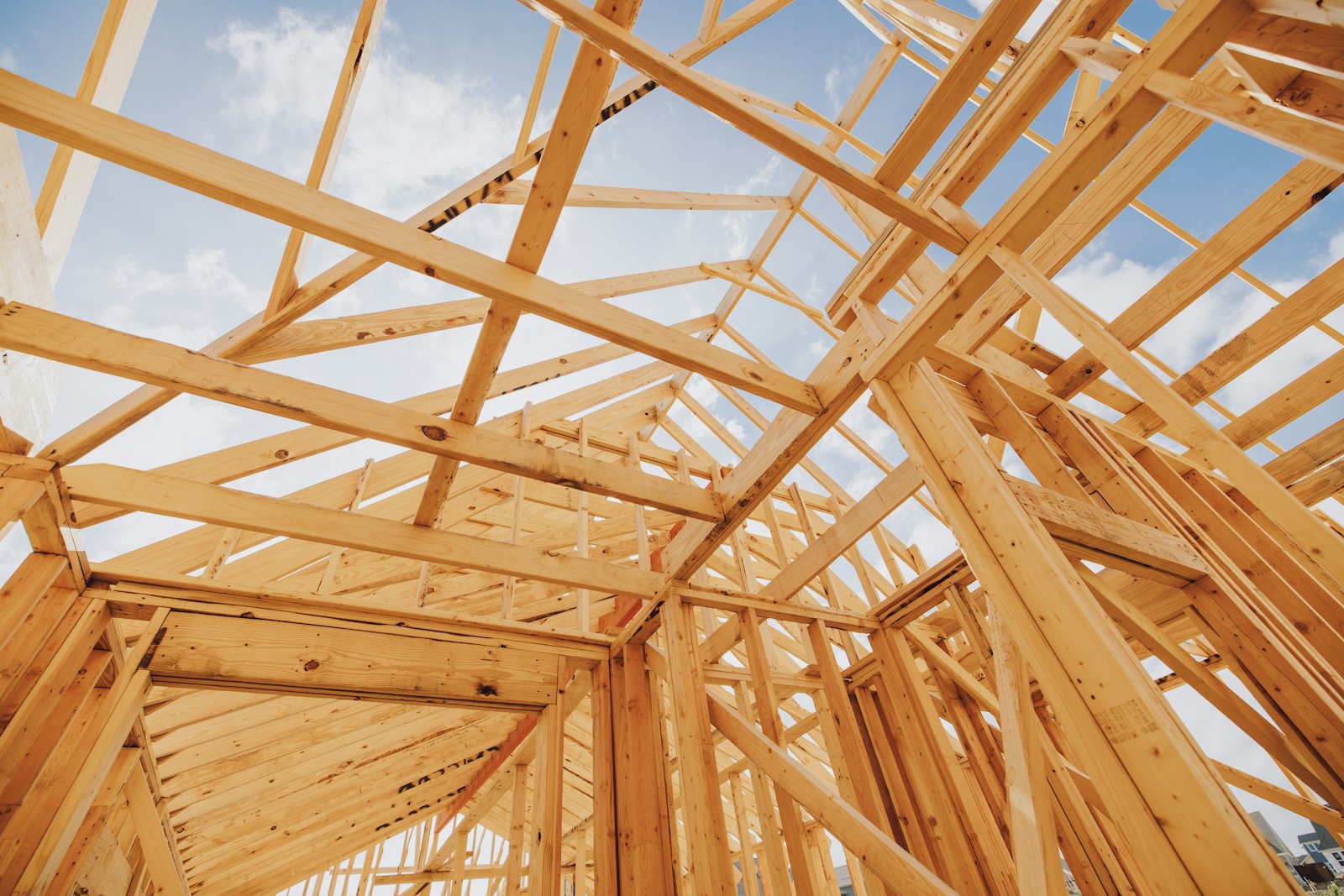
File photo of a wood-frame house under construction, not a Promise Robotics factory or project. Photo: Nate Johnston / Unsplash.
If you find reporting like this useful, consider supporting Canada News Media, an independent Canadian newsroom with no corporate parent.
Sources: BetaKit, HousingWire, The Robot Report.
Follow Canada News Media
Get the day's top Canadian stories and our two daily 60-second news videos wherever you scroll.