

The International Monetary Fund said Oct. 13, 2026, that the economy of the Middle East and Central Asia will shrink 0.3 per cent this year, a sharp reversal from the 1.9 per cent growth it projected in April, because the war involving Iran has kept the Strait of Hormuz disrupted for longer than expected.
The region is the only one the Washington-based lender expects to contract in 2026, Al Jazeera reported. The IMF forecast global growth of 3.1 per cent, up from 3 per cent in its previous outlook, with emerging and developing Asia at 5.1 per cent and sub-Saharan Africa at 4.5 per cent.
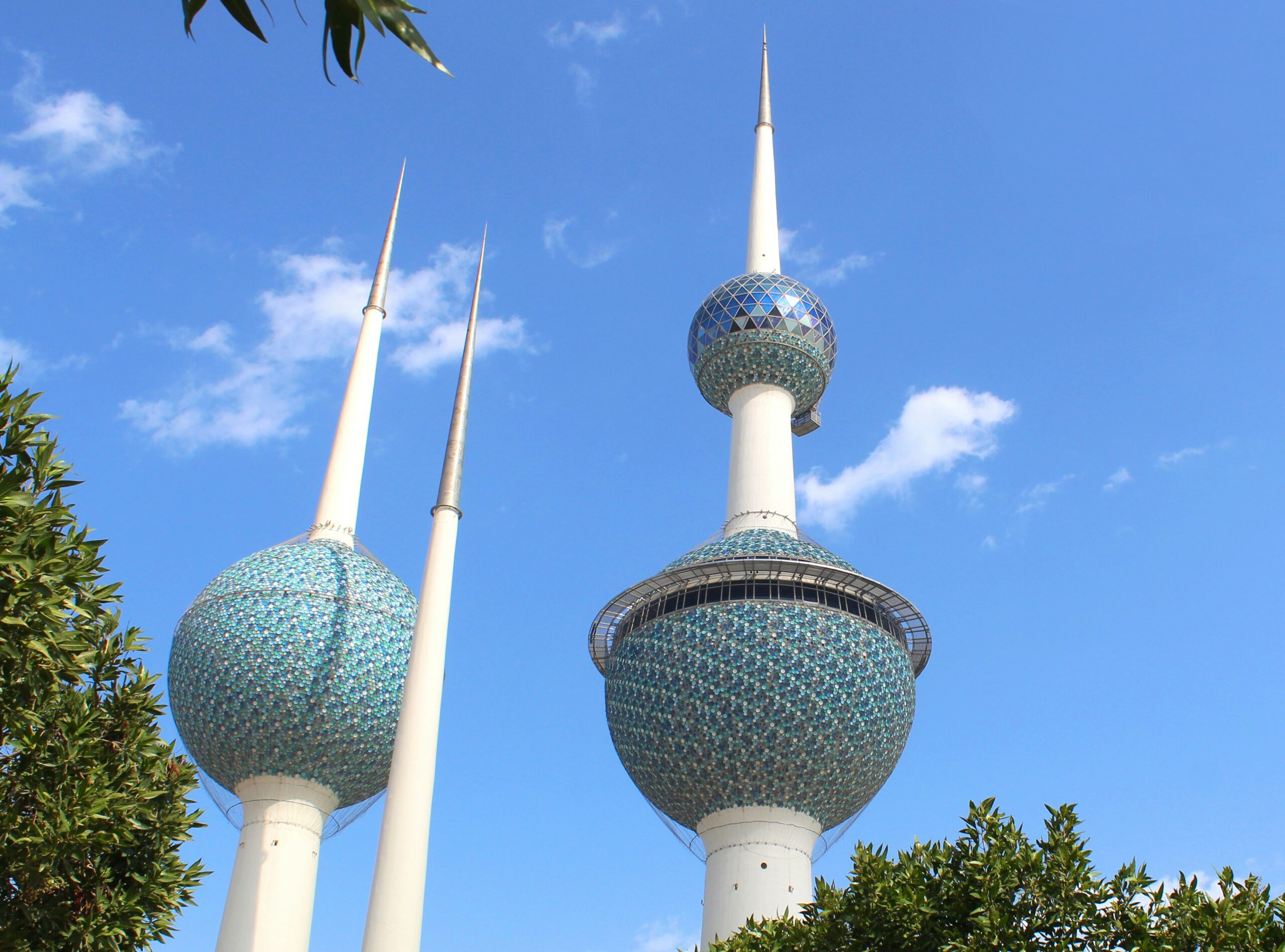
The Gulf oil producers closest to the fighting take the heaviest losses. Al Jazeera, citing the IMF figures, reported 2026 contractions of 16.7 per cent for Kuwait, 16 per cent for Iraq, 15.6 per cent for Qatar and 11.3 per cent for Bahrain. AFP reported that oil installations in those four countries were damaged during the fighting and that the IMF considers them the most affected by shipping and production disruptions.
Iran is forecast to shrink 7.6 per cent, which the IMF links to the war, the U.S. counter-blockade of Iranian ports and U.S. sanctions, AFP reported. Saudi Arabia is forecast to contract 3.3 per cent and the United Arab Emirates 3.9 per cent. Oman, at 2.4 per cent growth, is the only Gulf country expected to expand, AFP said.
The IMF cited “a longer closure of the Strait of Hormuz” than its April baseline assumed, AFP reported. The waterway normally carries about one-fifth of the world’s oil supply, according to Al Jazeera. The war began in late February with U.S. and Israeli strikes on Iran, and Tehran has tried to control the strait and has attacked ships that pass without its authorization, AFP reported.
Saudi Arabia is described as among the least affected because it has more diversified export routes. It has sent crude to its Red Sea coast through the East-West pipeline, which bypasses Hormuz. AFP reported that the pipeline was temporarily shut in September after strikes blamed on Iran-backed groups in Iraq, and that Houthi forces have targeted Saudi oil infrastructure and tankers in the Red Sea since Yemen’s civil war reignited in July.
The Saudi forecast was prepared before the series of deadly Houthi attacks on Riyadh airport that began last week, AFP reported, so it does not reflect them. Canada warned travellers against Riyadh’s airport after the first attack, as Canada News Media reported on Oct. 11.
The IMF expects a recovery in 2027 if the strait reopens. AFP reported that Iraq, Kuwait, Qatar and Bahrain are projected to swing to double-digit growth, and that Saudi Arabia is forecast to grow 7.9 per cent. The other Arab economies are expected to stay “relatively resilient” despite energy and food price shocks, AFP reported.
On risks, the IMF said “further escalation in conflicts” could weaken growth, alongside trade tensions, fiscal vulnerabilities and expectations for artificial intelligence, Al Jazeera reported. Stronger AI investment or a lasting easing of geopolitical and trade tensions could lift it.
The forecasts came during the IMF and World Bank annual meetings in Bangkok, which run to Oct. 18. IMF Managing Director Kristalina Georgieva warned ahead of the meetings that “winter is coming” for the global economy, Reuters reported, as Canada News Media reported on Oct. 12.
Canada News Media did not have access to the IMF’s full report when this article was written, and the figures above are as reported by Al Jazeera and AFP, whose country numbers match where both give them.
If you find reporting like this useful, consider supporting Canada News Media, an independent Canadian newsroom with no corporate parent.
Via Al Jazeera (IMF forecast) and AFP (Malay Mail, Kuwait Times).
Follow Canada News Media
Get the day's top Canadian stories and our two daily 60-second news videos wherever you scroll.