


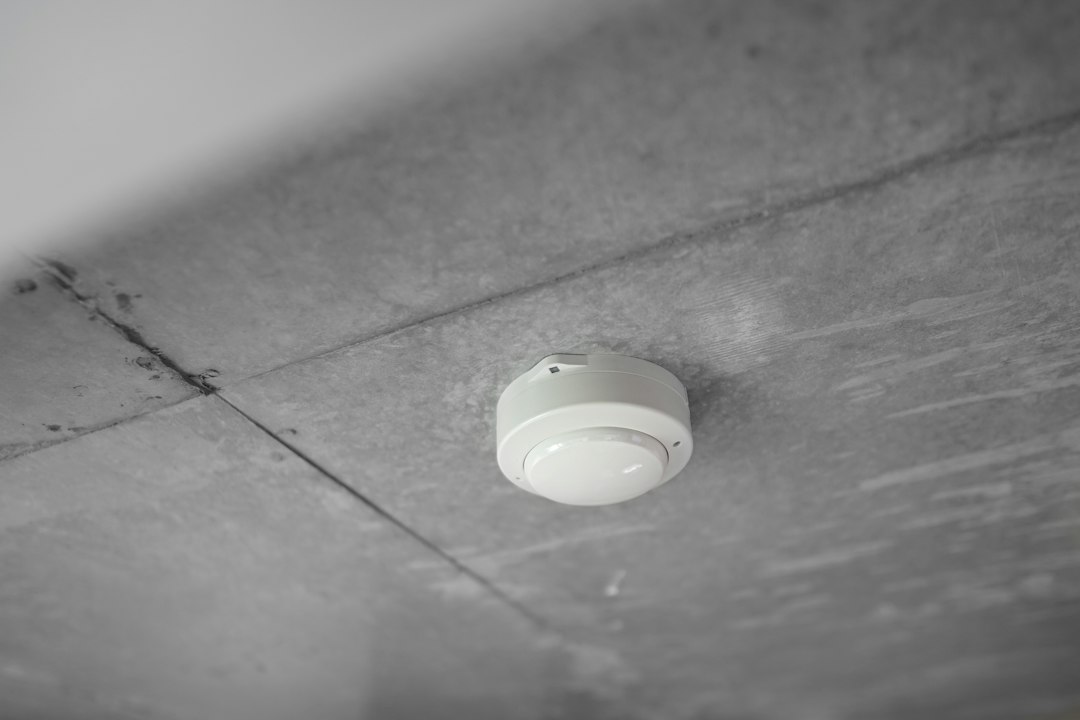
Health Canada says every home should have at least one working, certified carbon monoxide (CO) alarm next to sleeping areas, a reminder that matters as furnaces, fireplaces and stoves come back into regular use this fall, according to the department’s indoor air quality advice.
Carbon monoxide is a gas that can’t be seen, tasted or smelled, Health Canada said. A certified detector is the only way to know it is building up in a home.
The department’s guidance goes further than a single alarm. It says every home should have smoke and CO detectors on each floor and beside each sleeping area.
The risk is seasonal. Health Canada’s health data lab reviewed 767 unintentional CO-related emergency department cases recorded between April 1, 2011, and June 15, 2023, in a hospital injury surveillance system. Winter accounted for 296 of them (38.6 per cent) and fall for 183 (23.9 per cent), while summer had the fewest at 96.
The same page cites an estimate of about 300 deaths and 200 hospitalizations a year in Canada from CO poisoning, drawn from a 2017 report. It notes the emergency department data does not capture people who die before reaching hospital, so those figures likely understate the toll.
Where does the gas come from? Health Canada’s carbon monoxide infographic lists heating appliances such as a furnace, fireplaces and wood and pellet stoves, fuel-powered vehicles, gas stoves and gas dryers, camping stoves and barbecues, fuel-powered generators, and equipment such as lawnmowers and snowblowers. Cigarettes are also on the list.
Garages are a common weak point. The department said pollutants from an attached garage can enter living space whether the garage door is open or closed. It advises against idling vehicles or running gas-powered equipment in an attached garage, and says the door between the house and garage should be kept closed and well sealed.
On appliances, Health Canada said fuel-burning equipment should be installed, maintained and working according to the manufacturer’s instructions. It recommends a professional inspect appliances, chimneys and flues every year. Its prevention tips also include cleaning the chimney and having the furnace checked annually.
Dryer vents and firewood storage are part of the same winter routine for many households. Canada News Media has previously published guides on how to clean a dryer vent safely and how to store firewood for winter. Another indoor air issue that peaks when homes are sealed up for winter is radon, covered in our piece on how to test your home.
Power outages are another risk, since people may reach for backup heat or power. Health Canada said a fuel-powered generator should never be used indoors or in a garage or shed, and should be kept at least six metres (20 feet) from any home or building. It also said barbecues, camping stoves and other fuel-burning equipment should never be used inside a home, garage or shed.
Symptoms can be easy to miss. At low levels, Health Canada lists tiredness, headaches, flu-like symptoms and shortness of breath. Higher levels, or low levels over longer periods, can cause dizziness, chest pain, poor vision and difficulty thinking. Very high levels can lead to convulsions, loss of consciousness, coma and death.
If a CO alarm sounds, the department’s guidance is to leave the building immediately, call 9-1-1 and not go back inside.
Health Canada also publishes a residential indoor air quality guideline for CO. It sets a limit of 25 parts per million (ppm) averaged over one hour and 10 ppm averaged over 24 hours. The values are meant to keep blood carboxyhaemoglobin at or below 2 per cent in non-smokers, and the department said people with coronary artery disease are the most sensitive group. The guideline is aimed at professionals, not a number homeowners can measure without proper equipment.
The department’s pages do not set out how often to test or replace an alarm. Readers can check the manufacturer’s instructions on the device. Alarm requirements for homes, including which types are required and where, are set by provinces, territories and municipalities, so local fire services or building officials are the place to confirm local rules.
This article is based on official guidance from Health Canada and is provided for general public information. It’s not a substitute for medical advice, if you have questions about how this applies to you, talk to your doctor or pharmacist.
If you find reporting like this useful, consider supporting Canada News Media, an independent Canadian newsroom with no corporate parent.
Sources: Health Canada, Improve indoor air quality in your home; Infographic: Carbon monoxide; Carbon monoxide: Symptoms of exposure; Residential Indoor Air Quality Guideline: Carbon Monoxide; Poisonings and injuries related to carbon monoxide exposure.
Follow Canada News Media
Get the day's top Canadian stories and our two daily 60-second news videos wherever you scroll.
X Threads Facebook Instagram LinkedIn TikTok YouTube Pinterest Reddit Substack Flipboard Newsletter RSS