


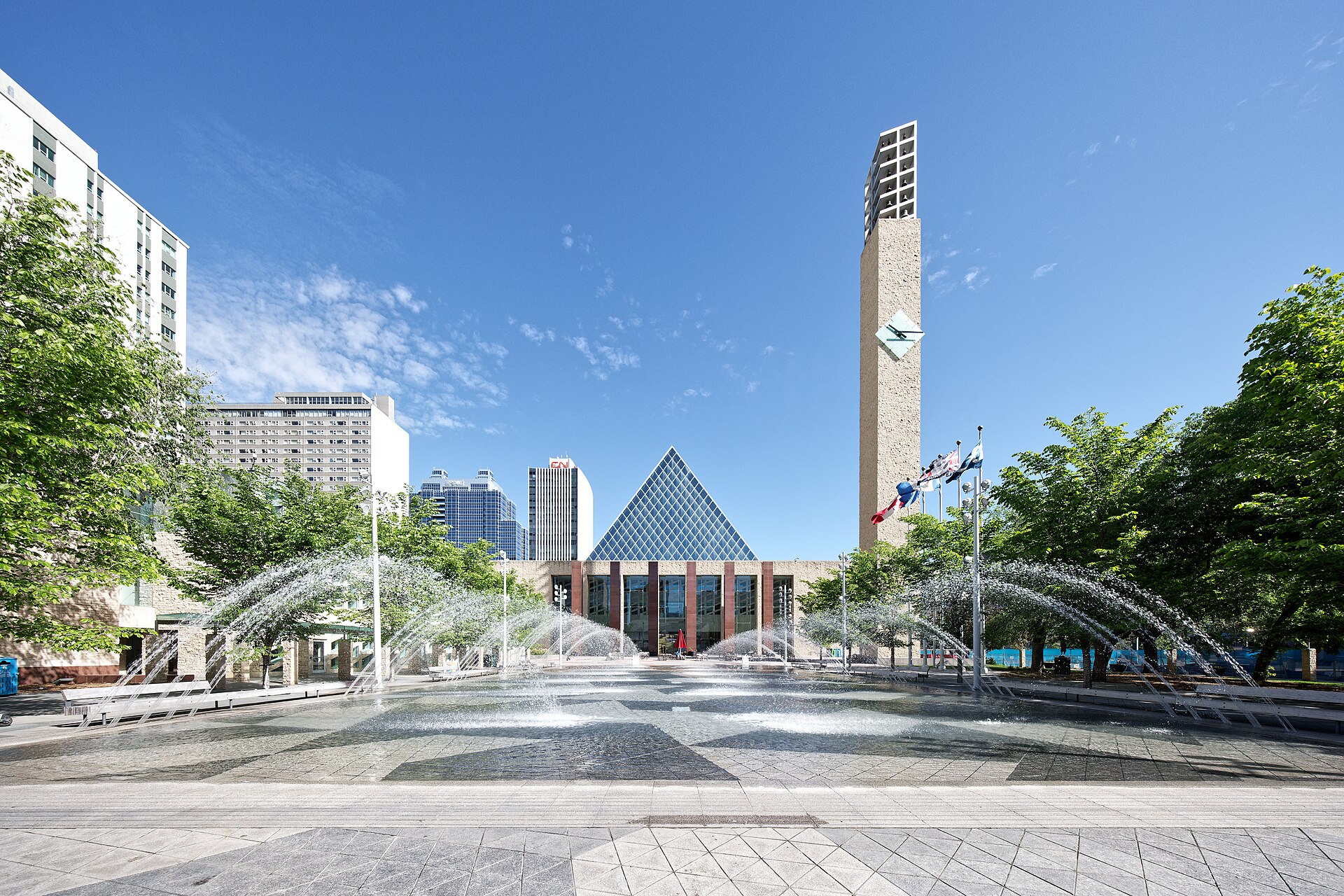
Edmonton city council voted 12-1 on Friday to ask the Alberta government for its infill zoning order in writing “as soon as possible”, more than a week after the premier told the city to roll back its residential rules.
Coun. Karen Principe was the lone vote against the motion at a special council meeting on Oct. 16, the Edmonton Journal reported. Mayor Andrew Knack, who put the motion forward, said it was “silly that I actually have to make a motion like that.”
City officials have only the province’s Oct. 8 announcement to go on and no written directive, Global News reported. Premier Danielle Smith said on Oct. 8 that “when you see the kind of reaction that we’ve seen from residents, then we have to step in.”
City administration told council the province has indicated the required changes apply only to the small-scale residential zone, the Journal reported. Administration said the province did not request data before its decision and declined an offer to send cabinet the city’s data in advance.
The city solicitor told council the minister can order councillors to set aside their duty to keep an open mind at a public hearing, but the province has not indicated it will do so, the Journal reported.
Council must hold a public hearing within three months. The earliest possible date is Jan. 8, which would mean mailing hearing notices on Dec. 23. A normal timeline is about six months.
Knack called the order “by far and away the most significant line crossing” in the history of local government in Alberta, Global News reported. He said he is grappling with how council can keep its role when “every decision council makes can be overturned.” He has said the city is weighing a court challenge, and council has not announced its next step.
Jan Hardstaff of the Edmonton Residential Infill Working Group told Global News she is still unclear what direction the city is going.
The city projected the order could cost Edmonton between $420 million and $610 million in construction business next year, and more than 2,000 rowhouse units would not be built, the Journal reported. That would cut about six per cent of total city revenue.
Planning and development reserves could fall from $40 million to $25 million by 2030, which could require property tax increases, administration said. Fixing the zoning bylaw could cost $5 million to $10 million and delay other projects.
The city’s infill enforcement plan, including an infill liaison team, is still set to launch in January. Under the Municipal Government Act, the city still cannot deny a permit to a problem developer.
The province’s order came as council also raised the electricity franchise fee and opened consultation on residential parking. Residents can follow upcoming council and committee meetings on the City of Edmonton’s website.
Via the Edmonton Journal and Global News.
If you find reporting like this useful, consider supporting Canada News Media, an independent Canadian newsroom with no corporate parent.
Follow Canada News Media
Get the day's top Canadian stories and our two daily 60-second news videos wherever you scroll.
X Threads Facebook Instagram LinkedIn TikTok YouTube Pinterest Reddit Substack Flipboard Newsletter RSS