


Health Canada says any natural health product sold legally in Canada must carry an eight-digit number on its label, and checking that number takes about a minute. Three advisories the department posted in August 2026 show what can go wrong when a product has no authorization or an inaccurate label.
The department summarized the cases in its Health Product InfoWatch newsletter, dated Sept. 24, 2026. They involve an undeclared prescription drug, a wrong allergy claim and counterfeit injectables.
On Aug. 25, Health Canada published a recall of two liquid products, Twins Herbal Idakole and Twins Herbal Pelorie, sold in Ontario at the retail level. The notice said the products contain undeclared sildenafil, which is on the prescription drug list. It said all lots are affected and asked people to stop using them. The recalling firm is listed as Twins African Restaurant and Bar Inc. of Brampton, Ont.
An earlier notice, posted Aug. 6, involved a product that was licensed. New Roots Herbal recalled one lot (68775) of its Probiotic Intensity because the outer box of the 30-capsule bottle wrongly stated that it contains no dairy. The product contains bovine colostrum, a dairy ingredient. Health Canada said people with a dairy allergy should not use it, and it classed the recall as Type I. The company is recalling the entire lot, which carries an expiry date of July 7, 2027.
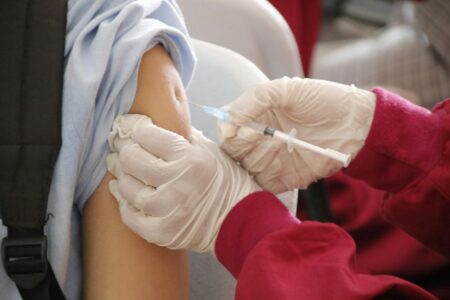
The third advisory, issued Aug. 12 and updated Aug. 13, said Health Canada seized unauthorized injectable products from Dyosa Beauty & Wellness Lounge in Hamilton. The department listed unauthorized Botox cosmetic, a placenta-based injection and counterfeit dermal fillers sold under the Juvéderm and Restylane names. It said unauthorized injectables carry added risks, including infections, scarring and allergic reactions.
The recalls differ, but the department’s advice in them is similar. Authorized products carry an eight-digit number on the label: a drug identification number (DIN) for drugs, a natural product number (NPN) for most vitamins, herbal remedies and probiotics, or a DIN-HM for homeopathic medicines.
Health Canada says that number means the product has been licensed and its safety reviewed. Its guidance on buying natural health products online says to look for the NPN or DIN-HM on the label. If a website does not show the number, the department says to ask the seller for it.
Once you have the number, you can check it yourself. Health Canada’s Licensed Natural Health Products Database lists products with an NPN or DIN-HM. Its Drug Product Database covers products with a DIN. Searching either one by the eight-digit number will show whether the product is authorized and who holds the licence.
The department also lists red flags for online shopping. They include a website that does not show full label information such as directions, warnings and drug interaction notes, and a seller that cannot provide a licence number. Products that come from outside Canada or from an unknown source are also on the list, as are expired products and claims that go beyond what is allowed in Canada.
The Twins Herbal case shows why a missing number matters. The notice described the products as sold without market authorization, and the sildenafil was not on the label. A person taking nitrate medication or other prescription drugs would have no way to know about that ingredient from the packaging.
The New Roots case shows the opposite problem. A licensed product can still carry a labelling mistake, so an NPN is not a guarantee that every claim on a box is right. Health Canada’s advice there was to check recall notices, avoid the affected lot if you have a dairy allergy, and talk to a health care professional if you have used it and have concerns.
Recall notices are posted on the federal Recalls and Safety Alerts site, and Health Canada also publishes MedEffect e-notices. Our recent coverage of the Bayer recall of Claritin, Aleve and Flintstones lots and the Teva pregabalin recall shows how often lot numbers decide whether a product is affected.
For injectables, the department’s Aug. 12 advisory says to ask whoever is administering a product to show you the label, and to see a licensed professional such as a physician, nurse practitioner or pharmacist. Health Canada has also taken court action in the past over unauthorized products, as in its injunction against an unauthorized peptide retailer.
People who have a bad reaction can report it to Health Canada through MedEffect Canada, or by calling the Canada Vigilance Program at 1-866-234-2345. Quality complaints and suspected unlicensed products can be reported through the department’s health product complaint form.
Anyone unsure whether a supplement is safe alongside their medications should ask a pharmacist. Pharmacists can also look up a product’s licence number and check for known interactions.
This article is based on official guidance from Health Canada and is provided for general public information. It’s not a substitute for medical advice, if you have questions about how this applies to you, talk to your doctor or pharmacist.
If you find reporting like this useful, consider supporting Canada News Media, an independent Canadian newsroom with no corporate parent.
Sources: Health Canada, Health Product InfoWatch: September 2026; Twins Herbal Products recall; New Roots Herbal Probiotic Intensity recall; Dyosa Beauty & Wellness Lounge advisory; Risks of buying natural health products online.
Follow Canada News Media
Get the day's top Canadian stories and our two daily 60-second news videos wherever you scroll.
X Threads Facebook Instagram LinkedIn TikTok YouTube Pinterest Reddit Substack Flipboard Newsletter RSS