

The Supreme Court of Canada agreed on Thursday, Oct. 22, 2026, to hear the federal government’s appeal of court rulings that found its use of the Emergencies Act against the 2022 convoy protests was unreasonable.
Following its usual practice, the top court gave no reasons for granting leave to appeal, The Canadian Press reported. It also agreed to hear cross-appeals on issues raised by the Canadian Civil Liberties Association and the Canadian Constitution Foundation.
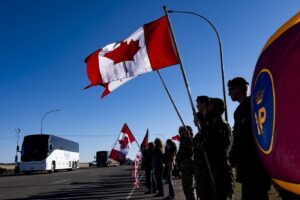
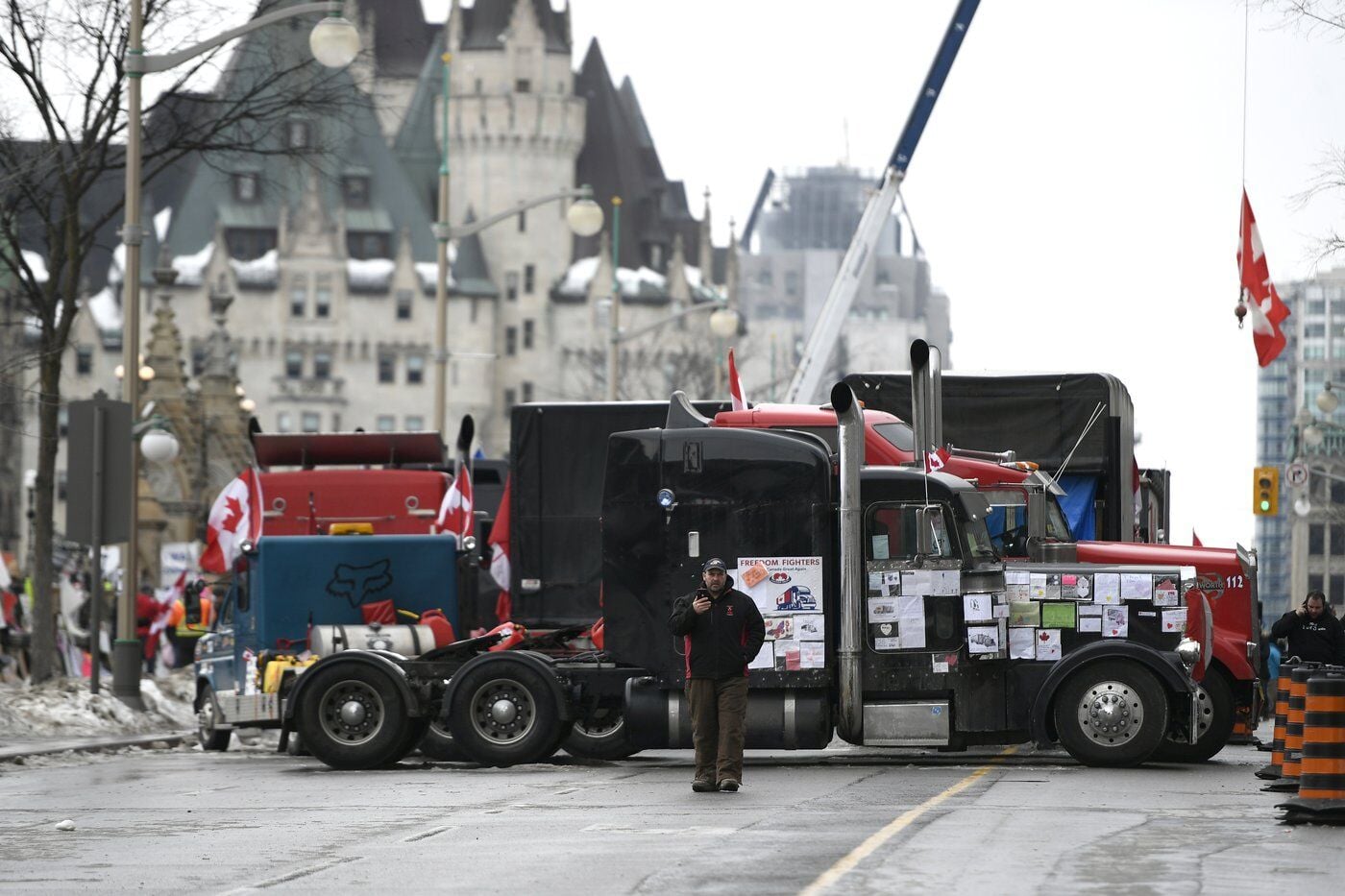
The government of then-prime minister Justin Trudeau invoked the act on Feb. 14, 2022, after weeks of protests that filled downtown Ottawa with trucks and blocked border crossings, including routes at Windsor, Ont., and Coutts, Alta. The measures let authorities ban public assemblies, designate secure places and direct banks to freeze the assets of people connected to the protests.
It was the first time the law had been used since it replaced the War Measures Act in 1988. The older law was famously invoked during the October Crisis of 1970.
In January 2024, Federal Court Justice Richard Mosley ruled there “was no national emergency justifying the invocation of the Emergencies Act.” In January of this year, a three-judge panel of the Federal Court of Appeal unanimously upheld that ruling, CBC News reported.
“As disturbing and disruptive the blockades and the convoy protests in Ottawa could be, they fell well short of a threat to national security,” the appeal court judges wrote.
The Public Order Emergency Commission, led by Commissioner Paul Rouleau, reached a different conclusion in early 2023, finding the government had met the very high threshold for using the law. Rouleau said at the time he did not come to that conclusion easily.
In its written request to the Supreme Court, the government argued the lower courts “applied the wrong principles on judicial review” and judged its decision with hindsight. “This non-deferential approach hamstrings governments’ ability to respond effectively to future crises, neuters the Act” and conflicts with Supreme Court rulings on administrative law, the submission said.
The civil liberties association had urged the court to refuse leave, saying Ottawa was trying to relitigate issues the appeal court had already dismissed. “Courts are responsible for ensuring that the government does not invoke these powers arbitrarily, and CCLA’s mandate is to raise these important issues for judicial scrutiny,” executive director Howard Sapers said in a media release on Thursday.
No hearing date has been announced. The court also agreed this week to take up a challenge to the federal ban on home distilling.
If you find reporting like this useful, consider supporting Canada News Media, an independent Canadian newsroom with no corporate parent.
With files from The Canadian Press and CBC News.
Follow Canada News Media
Get the day's top Canadian stories and our two daily 60-second news videos wherever you scroll.
X Threads Facebook Instagram LinkedIn TikTok YouTube Pinterest Reddit Substack Flipboard Newsletter RSS