


Elections Canada says artificial intelligence is making it harder for voters to find accurate information, and chief electoral officer Stéphane Perrault is asking Parliament to require labels on AI-generated election content.
Perrault told the House of Commons procedure and House affairs committee on Tuesday that voters “do not have the tools to know for sure whether something comes to them from an AI agent or a human being,” CBC News reported.
“AI is making it increasingly difficult not only for individuals to distinguish synthetic content from real images or voices,” he said.
The committee has spent several weeks studying how AI affects, and is used by, Canada’s democratic institutions. Perrault said Canadians are already turning to AI chatbots that summarize information to answer questions about the electoral process and to compare party platforms.
He said that also makes it hard to know who is behind the information and which sources chatbots use. Bots and fake accounts can create what he called a “fake consensus” that undermines trust.
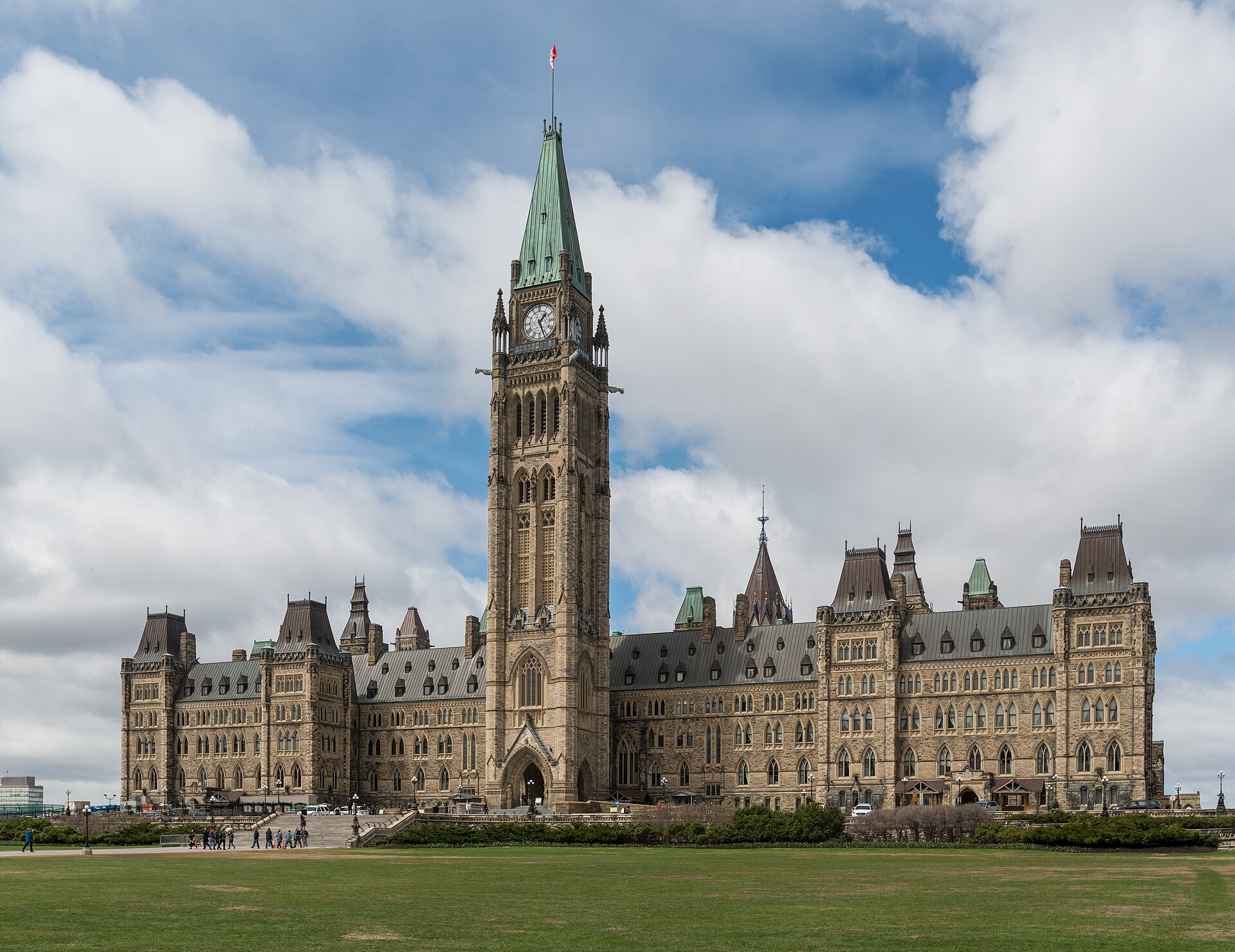
Perrault repeated a 2024 recommendation that transparency labels be legally required for synthetic content in electoral communications such as ads. He said the proposal now falls within the scope of Bill C-34, which is being studied by the Canadian heritage committee. The European Union adopted similar legislation in August for AI providers and operators.
He also recommended that chatbots be required to point to official sources when answering questions about how to vote. Parliament should consider whether that should extend to party platforms and candidate publications when chatbots are asked about political positions, he said.
Perrault cited a deepfake video of the Spanish prime minister’s wife in a political ad released last week by that country’s main opposition party. Conservative MP Blaine Calkins noted that earlier witnesses told the committee an AI agent had created a webpage that voters consulted during the Quebec election campaign.
Perrault said the Quebec problem was made worse because AI agents often cannot reach regular media sites, which may block them on purpose or by mistake if they are mistaken for data scrapers. “We are concerned about making sure that the information on the voting process is proper,” he said.
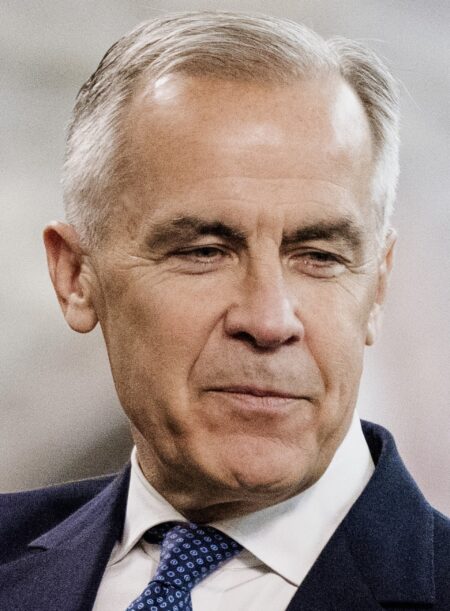
The warning comes as Elections Canada prepares for six federal byelections in Ontario, Quebec and Saskatchewan. Prime Minister Mark Carney called the six byelections for Dec. 7. The government has also been consulting on AI transparency rules.
“If the line between legitimate speech and co-ordinated manipulation is blurred, if the filtering by AI tools is not transparent, the ability of electors to make informed choices and to trust democratic outcomes is at risk,” Perrault said.
Source: CBC News.
If you find reporting like this useful, consider supporting Canada News Media, an independent Canadian newsroom with no corporate parent.
Follow Canada News Media
Get the day's top Canadian stories and our two daily 60-second news videos wherever you scroll.
X Threads Facebook Instagram LinkedIn TikTok YouTube Pinterest Reddit Substack Flipboard Newsletter RSS