
Syria is expanding polio vaccination and disease surveillance in Deir Ezzor governorate after two children aged six to 13 months were paralyzed by vaccine-derived poliovirus type 1, the World Health Organization said in a Nov. 9 release.
Health teams vaccinated more than 34,000 children under five in affected parts of Deir Ezzor on Oct. 18, a week after the first suspected cases were reported on Oct. 11, according to the release from the WHO’s Eastern Mediterranean office. Syria’s Ministry of Health planned another campaign for the following week, with further rounds and locations to be decided as assessments continue. The ministry said it will announce the areas, eligible age groups and how families can get their children vaccinated.
The ministry is leading the response with support from the WHO, UNICEF and other partners. Field teams are investigating to find any further cases, gauge the risk of spread and decide where to vaccinate next, the release said.
The release linked the outbreak to gaps in protection left by disrupted health services and poor access to routine immunization in some communities. The number of working primary health-care centres in Deir Ezzor has risen from 40 to 87, and the plan is to reach 124 so more families can get routine shots and basic care.
“Vaccination is one of the most important steps families can take to protect their children from polio,” Syrian Health Minister Mousab Al Ali said in the release. He said the ministry will give regular public updates.
“Polio can be stopped, but we must close immunity gaps and reach every child,” said Caroline Clarinval, the WHO representative in Syria.
The release did not say whether the virus has also been detected in sewage samples or in contacts of the two children, whether it is linked to poliovirus found elsewhere, or how many suspected cases remain under investigation. The ministry said its updates will separate confirmed findings from information still being checked.
Parents in the area were urged to check their children’s vaccination records, complete any missed doses, take part in campaigns even if a child has already had polio vaccine, and seek medical care at once if a child suddenly develops weakness or paralysis in a limb. The extra campaign doses do not replace routine childhood shots, the release said.
For Canadians, the federal polio travel health notice, last updated Sept. 9, does not yet list Syria among countries with wild or vaccine-derived poliovirus. The Level 2 notice from the Public Health Agency of Canada says adults should get one polio booster as part of the routine adult schedule, and that travellers staying more than four weeks in affected countries may need a dose one to 12 months before departure. The Government of Canada separately advises Canadians to avoid all travel to Syria.
If you find reporting like this useful, consider supporting Canada News Media, an independent Canadian newsroom with no corporate parent.
Source: World Health Organization.
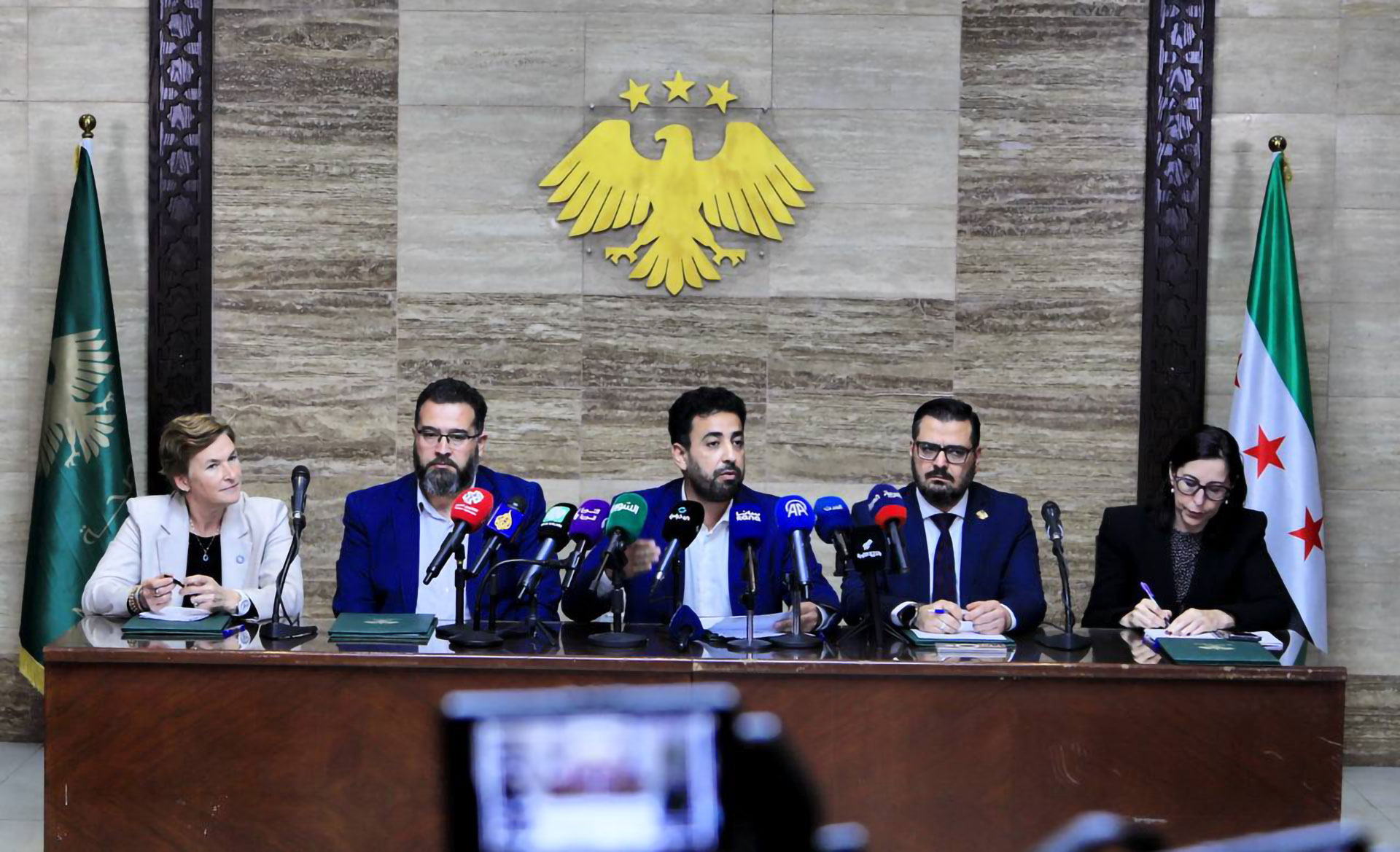
Featured image: Photo published by the WHO Regional Office for the Eastern Mediterranean with its Nov. 9, 2026, release on Syria’s polio response. Photo: WHO EMRO.
Follow Canada News Media
Get the day's top Canadian stories and our two daily 60-second news videos wherever you scroll.
X Threads Facebook Instagram LinkedIn TikTok YouTube Pinterest Reddit Substack Flipboard Newsletter RSS