


The 2026 FIFA World Cup, played in Toronto and Vancouver in June and July, was the largest sporting event Canada has hosted in years. Now that the tournament is over, the first measured results are in, and they show a more mixed picture than the forecasts that came before it. Some numbers point to a clear lift. Others show how hard it is to link a crowded stadium to a full hotel.
The strongest evidence so far comes from Statistics Canada’s border data. Its final figures for June show that arrivals from the 15 overseas countries whose teams played in Canada rose 28.6 per cent from a year earlier, an increase of about 33,600 visitors. Total arrivals rose by a much smaller margin over the same month, so the gain was concentrated among fans of the teams that came here. Preliminary June figures had shown a larger jump for those countries, and the later revision is the number to rely on. Statistics Canada has also reported higher non-resident arrivals in July and August, but it has not yet broken out how much of that rise came from the World Cup countries.
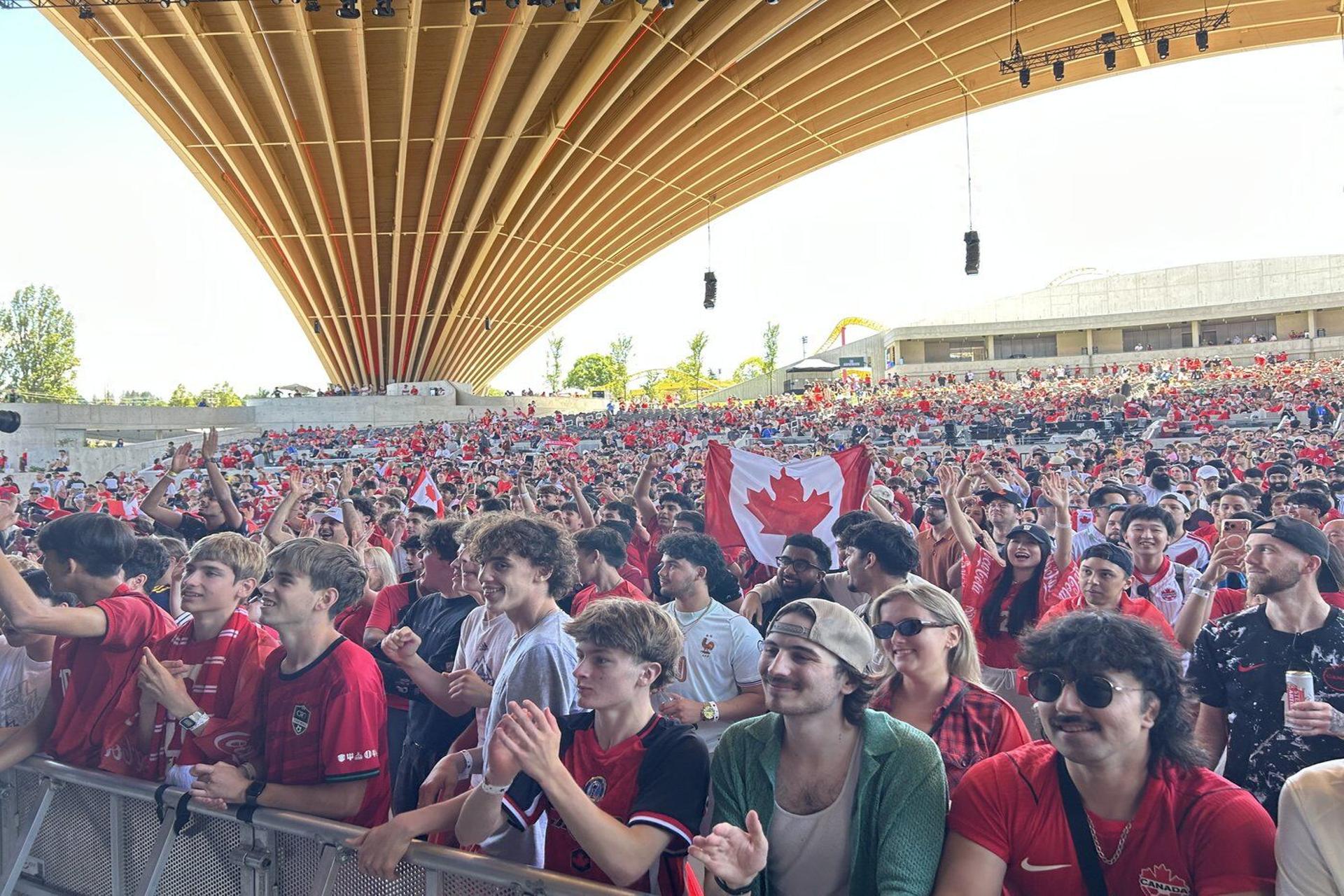
Toronto hosted six matches. In an early summary dated July 20, the City of Toronto said about 250,000 fans attended the matches at Toronto Stadium and that more than 350,000 people attended the FIFA Fan Festival over its 23 event days. These are early figures, and the City said it was still finishing its post-event financial reconciliation. A later City report to Council also found that less than half of the Fan Festival’s premium tickets sold, which is a reminder that crowds do not automatically turn into revenue.
Vancouver hosted seven matches at BC Place, and its hotel numbers are the clearest example of that gap. Destination Vancouver reported that downtown hotel occupancy stood at 75 per cent as of June 27, against 91 per cent for June 2025, even as the city prepared for the matches. Hotel industry groups pointed to cancelled room blocks and unclear messaging about availability as reasons. The agency had forecast July and August occupancy above 90 per cent, but that was a forecast, and final July figures were not available when this piece was written. Visitors may also have stayed in short-term rentals or outside the downtown core, which hotel statistics do not capture.
Spending beyond the stadiums is harder to measure. Restaurants, pubs, shops, entertainment venues and transit all draw visitors during a tournament, and both cities used pedestrian zones and fan areas to keep visitors moving through local business districts. Toronto reported more pedestrians and cyclists near the stadium on match days, and Vancouver tested a pedestrian-focused zone on Granville Street. Neither city has yet published complete figures on how much visitors spent in these areas, so claims about the size of the benefit should be treated with caution until they do.
That leaves the longer-term question, and the honest answer is that it is still open. Pre-tournament studies predicted economic gains, but they rested on assumptions about visitor spending, jobs, tax revenue and repeat visits that have not yet been checked against final data. Survey answers from visitors who say they intend to return are not the same as return trips. A bigger international profile can help a destination, but awareness does not always become travel.
For now, the evidence supports a modest conclusion. The World Cup brought a measurable rise in visitors from the countries whose teams played here, and it filled stadiums and fan zones. It did not, on the numbers available, fill every hotel room, and its full economic effect will only be clear once Statistics Canada, Destination Canada, the host cities and the tourism industry publish their final results.
Teja Kurane is a Research Analyst at Pristine Market Insights Pvt. Ltd., specializing in industry research, emerging market trends and economic developments. Her work looks at how major international sporting events affect tourism, hospitality, infrastructure and regional economies.
If you find work like this useful, consider supporting Canada News Media, an independently owned Canadian newsroom.
Follow Canada News Media
Get the day's top Canadian stories and our two daily 60-second news videos wherever you scroll.
X Threads Facebook Instagram LinkedIn TikTok YouTube Pinterest Reddit Substack Flipboard Newsletter RSS