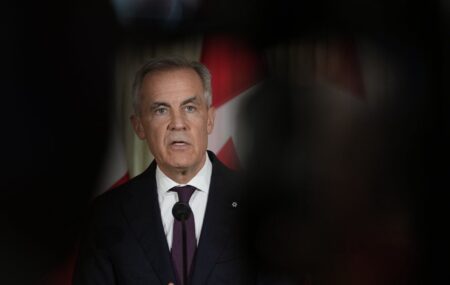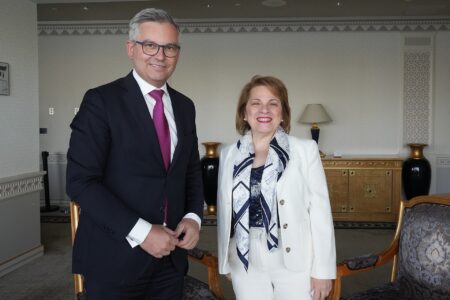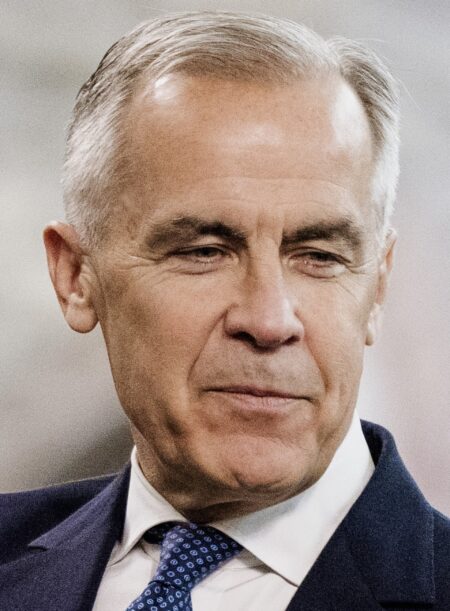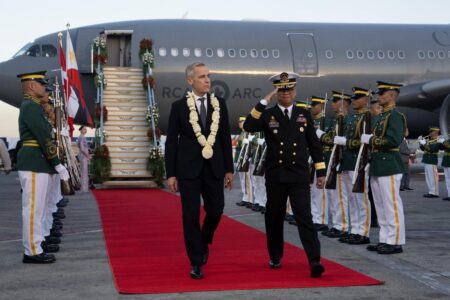


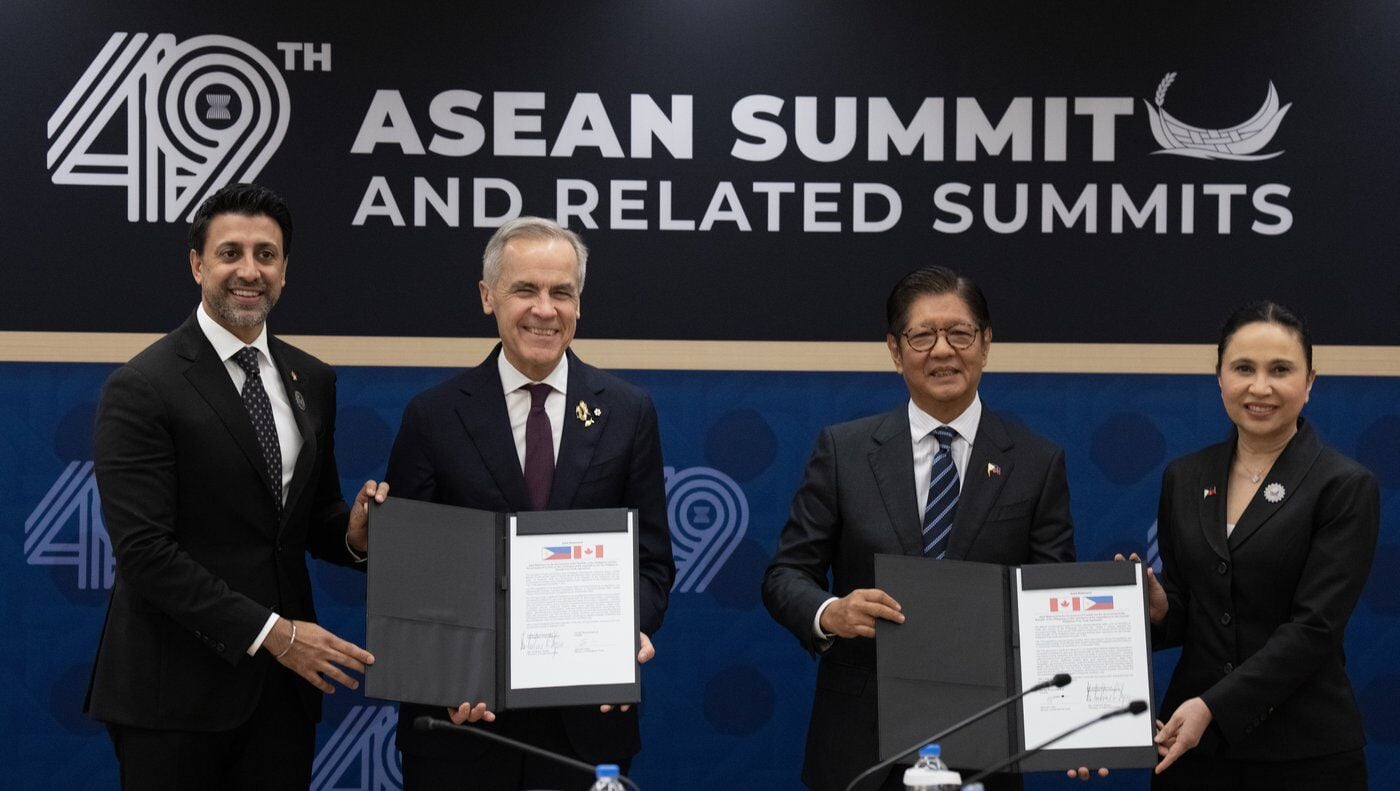
Prime Minister Mark Carney and Philippine President Ferdinand Marcos Jr. signed a document in Manila on Saturday formally ending negotiations on a free-trade agreement between their countries, with the deal itself expected to be signed in 2027, The Canadian Press reported.
The ceremony took place on the sidelines of the Association of Southeast Asian Nations summit, which Marcos is hosting. It was Friday evening in Canada. Talks began just over a year ago, after Carney and Marcos restarted efforts that Ottawa first explored in 2015.
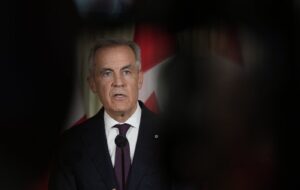
“This is good news for Canadians in the agriculture sector, in the aerospace sector, even in AI,” Carney said at a news conference, adding that forestry, mining and energy would also benefit. “In each of these sectors, Canadian supply is meeting Philippine demand.”
Carney’s office said the agreement could increase Canadian exports to the Philippines by up to three times by 2035, with the largest gains in agriculture and forest products. Bilateral merchandise trade totalled $3.4 billion in 2025. Canada sold mineral ores, meat, cereals, fertilizers and aircraft, and bought cooking oils, leather and rubber products.
The prime minister also announced $26 million to strengthen ties on nuclear security and safety, climate-resilient agriculture, community resilience, food security and infrastructure. His office said the two countries will start formal discussions on security, a possible customs agreement and the protection of sensitive information. Canada is also extending its dark-vessel detection program, which uses satellites to track fishing boats that have turned off their location transmitters, to spring 2033.
One open question for Canadian producers is pork. The Philippines is weighing a ban on many pork imports later this month, and Carney said Thursday he was “fighting for this industry.” Canada exported about $279 million in pork products to the Philippines in 2024.
During consultations, corporations were broadly supportive of the deal, but civil society groups raised concerns about the Philippines’ record on the environment, labour and human rights, according to the report.
Queen’s University professor Stéphanie Martel, who studies ASEAN diplomacy, said Carney has taken a narrower approach to the region than Justin Trudeau, focusing on trade and military co-operation. She said that misses how ASEAN countries view security more broadly, including climate change and economic stability. Vina Nadjibulla of the Centre for Strategic Statecraft said Canada needs partnerships in Asia that also cover defence industry co-operation, digital trade, mobility and education.
Canada is also pursuing a broader trade agreement with ASEAN, a bloc of nearly 700 million people. Ottawa says trade between Canada and ASEAN countries reached $52.3 billion last year, a fifth more than the year before. The bloc is central to Carney’s goal of doubling exports to countries other than the United States by 2035.
Carney arrived in Manila earlier on Saturday, as we reported in Carney lands in Manila seeking trade deals with ASEAN. He left for the three-summit Asian tour after meetings in Ireland, covered in Carney leaves for Dublin, Manila and Phnom Penh summits.
If you find reporting like this useful, consider supporting Canada News Media, an independently owned Canadian newsroom.
Follow Canada News Media
Get the day's top Canadian stories and our two daily 60-second news videos wherever you scroll.
X Threads Facebook Instagram LinkedIn TikTok YouTube Pinterest Reddit Substack Flipboard Newsletter RSS