



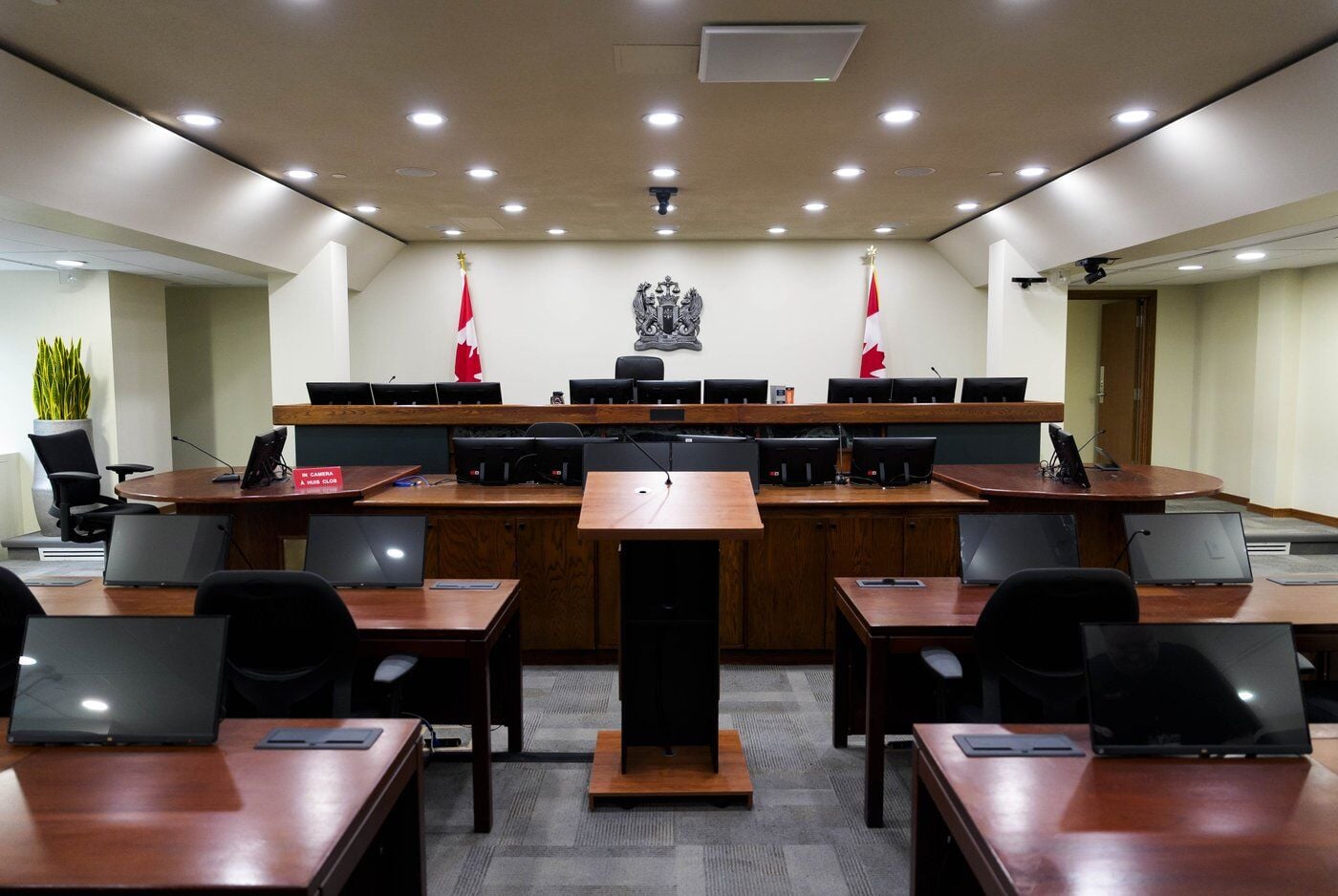
OTTAWA – The Federal Court still does not know how $58 million in new federal money will be spent, even as its caseload has grown to nearly 31,000 proceedings this year from about 7,600 in all of 2020, the court said Thursday.
Chief Justice Diner told The Canadian Press in an emailed statement that the court “doesn’t have additional details on how the funding confirmed will be distributed among the stated purposes.” The money was announced in the federal budget published Nov. 5.
The funding is earmarked for the Courts Administration Service, which supports the Federal Court, the Federal Court of Appeal, the Tax Court of Canada and the Court Martial Appeal Court of Canada. It begins in the 2027-28 fiscal year and runs four years, averaging $14.5 million annually.
Spread across the roughly 31,000 proceedings commenced as of Sept. 30, that average works out to about $470 a case a year, by our calculation. The caseload is about four times the 2020 level, and more than 27,000 of this year’s proceedings are immigration matters.
Joannie Fogue, a spokesperson for Justice Minister Sean Fraser, said the government is “continuing to work through the details and implications of the funding commitment.” She said the money is meant to strengthen the national courts and build workload efficiencies.
The budget mentions the funding once. It says the money is meant to address the Federal Court caseload and to help the service with Official Languages Act compliance, a translation backlog and court infrastructure modernization.
Ottawa immigration lawyer Jacqueline Bonisteel said the increase is welcome but modest. “It’s not going to be enough to cope with the issues that the court’s seeing right now, a 600 per cent increase in immigration caseload since 2020,” she said. She said it can take “upwards of two years” to get an immigration case through the court.
Toronto lawyer Zeynab Moayyed said routine filings, such as an application for judicial review, now take weeks to process instead of about a day because of a shortage of registry staff. She said more people are filing mandamus applications to force a decision when the Immigration Department is slow.
Both lawyers said the quality of departmental decisions has declined since Immigration, Refugees and Citizenship Canada adopted artificial intelligence tools and new software, and that informal ways of fixing errors have closed. The department has said it uses the tools under human oversight and that they do not make decisions.
Diner said in August that judges and staff have worked evenings, weekends and vacation days to keep up. The court’s workload is closely tied to Ottawa’s immigration decisions, including its levels plan.
If you find reporting like this useful, consider supporting Canada News Media, an independently owned Canadian newsroom.
This report is based on a story by The Canadian Press, first published Nov. 14, 2026.
Follow Canada News Media
Get the day's top Canadian stories and our two daily 60-second news videos wherever you scroll.
X Threads Facebook Instagram LinkedIn TikTok YouTube Pinterest Reddit Substack Flipboard Newsletter RSS